Request Your Free Window Quote
Simply fill in your details for your free, no obligation quotation
When to Choose Which
The Price Gap Between Aluminium and UPVC Windows
Obviously, you’re going to have to pay more if standard window sizes are too narrow for your openings, as larger windows require added material, firmer frames and extra glazing support. Any personalised touches will also increase costs.
Glazing selection and what rate of thermal efficiency you specify affects the cost of aluminium windows vs UPVC UK too. But magnified insulation and warmth soften the blow of more expense.
Reduce expense by choosing a stock window colour, as anything outside of standard finishes and powder-coated aluminium finishes incur more cost. Anticipate paying more when asking for a dual-coloured finish.
Cost can increase further if there’s some structural alteration or bespoke shaping involved in a window installation and site access is complicated.
Aluminium windows are mostly costlier than UPVC windows, but for the benefits they bring for decades i.e. robust frames, enduring strength, it’s a small price to pay.
Can I Make Long-Term Money Savings?
Yes, but precisely how much will be determined by several factors, including thermal efficiency and resilience.
A UPVC window containing double or triple glazed units can achieve a windows u value of about 1.2 W/m²K and modern thermally broken aluminium window systems manage around the same rate, signally fantastic thermal performance.
Generally, aluminium windows surpass UPVC windows for longevity. A realistic timespan is 30-40 years, and it can be even longer on occasions, in part due to their amazing weatherproofing.
By no means do UPVC windows have a short shelf-life, it’s just that they tend to require replacement more quickly, which has a cost impact.
Don’t let the added price of aluminium put you off, as it’s important to note the longevity, robustness and low maintenance nature of the material. Anyway, you may be happy to pay more just for the irresistible allure of aluminium.
If your budget is restricted, UPVC is a great alternative to aluminium and will offer the thermal performance that you desire.
Which Windows Require Least Upkeep and Last Longest?
The answer to how long do windows last differs, as aluminium outlives UPVC, but the maintenance involved in sustaining UPVC frames is just as low.
The life estimate for aluminium windows is 30-40 years, sometimes longer. Their longevity derives from colossal strength and quality weathering. Aluminium finishes are formulated using a powder-coating technique to prevent the emergence of fading, corrosion and peeling.
20-30 years is the predicted lifespan of UPVC windows, which provide supreme durability and weatherproofing. Just be careful of buying low-grade UPVC profiles as they’re liable to discolour, stain etc. when confronted by the elements.
Timber is considerably harder to preserve than aluminium and UPVC, which can both be maintained as follows:
- Apply a soft non-abrasive cloth to frames, using warm soapy water to wipe them clean.
- Lubricate the window components every few months to keep them functioning smoothly.
- Closely inspect the seals and gaskets occasionally.
Which Offers Most Security?
Aluminium and UPVC windows specified to include reliable locking mechanisms and solid glazing deliver first-class security.
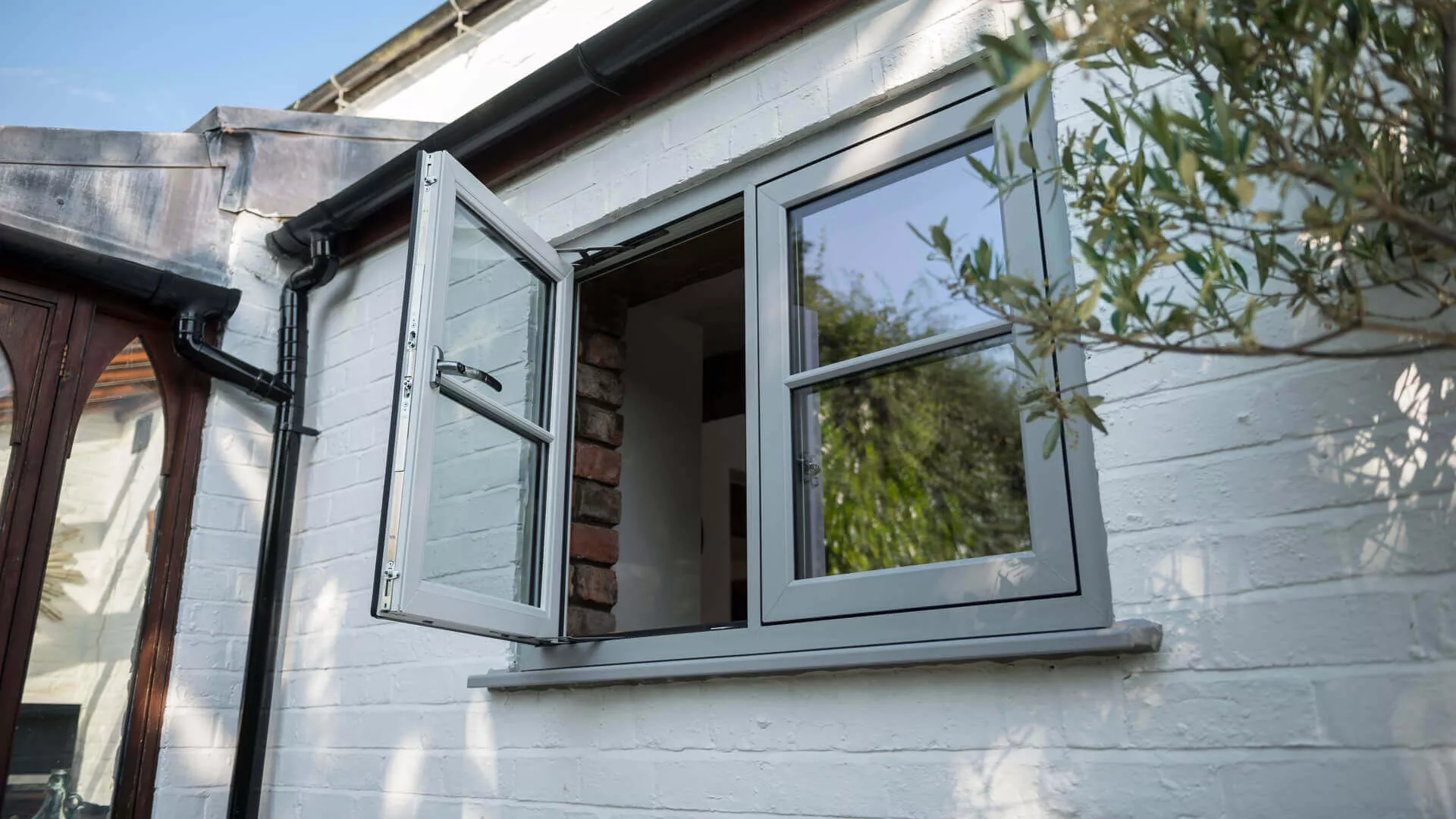
Rarely will modern aluminium and UPVC energy efficient windows not feature a multipoint locking mechanism – its purpose is to engage a window frame at a series of points so that forced entries cannot be realised.
Aluminium’s stiffness stops the material from bending or warping, which safeguards against forced entries too. UPVC doesn’t quite manage to compete from a toughness standpoint, but with a reinforced lock and robust hardware, it can be relied upon for security.
Frames are only a single component of security, always remember that! They rely on good locks, hinges and glazing to supply the security craved.
Will They Make My Home Warmer and Greener?
Increased warmth will be felt, as UPVC windows have a U-value of about 1.2 W/m²K and some aluminium windows can offer a similar rate, signifying excellent insulation.
Insulating gas is placed between the panes, intended to restrict heat loss and as a result, amplify comfort and energy savings. Thermal breaks inside aluminium frames obstruct heat flow through the material, explaining how they exceed the insulation of UPVC.
Windows coined as ‘high-performance’ will generate elevated warmth during the winter and cool interiors in summer so that heat and cooling systems aren’t as relied on. Reduced energy consumption saves money and will go some way towards saving the planet.
The finest thermal performance is a certainty no matter which material is selected.
Another article that we’ve posted about how to insulate windows could be worth reading if you wish to find out how the thermal performance of energy-efficient windows can be increased.
What Look Do They Exhibit and Will They Complement My Home?
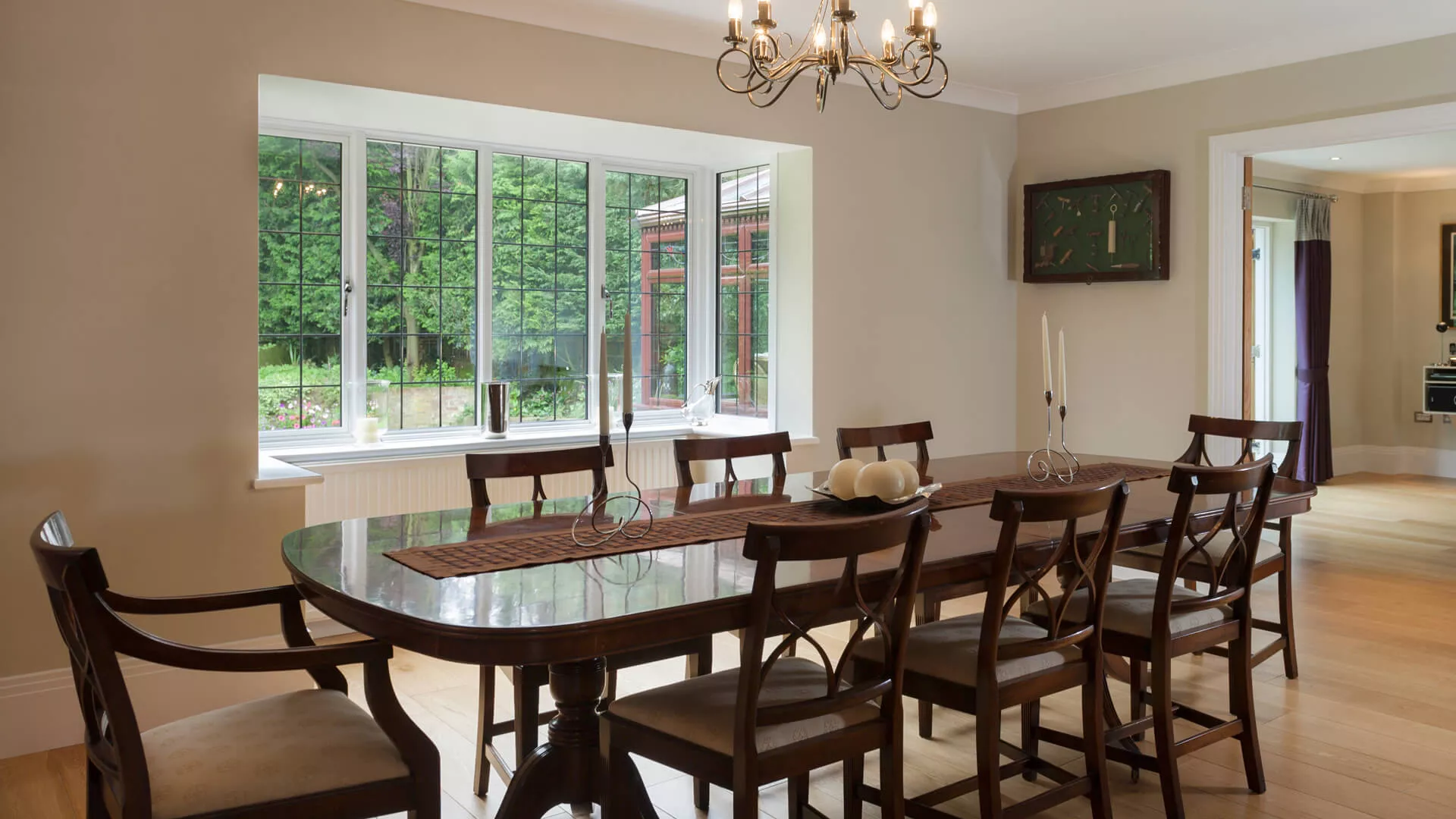
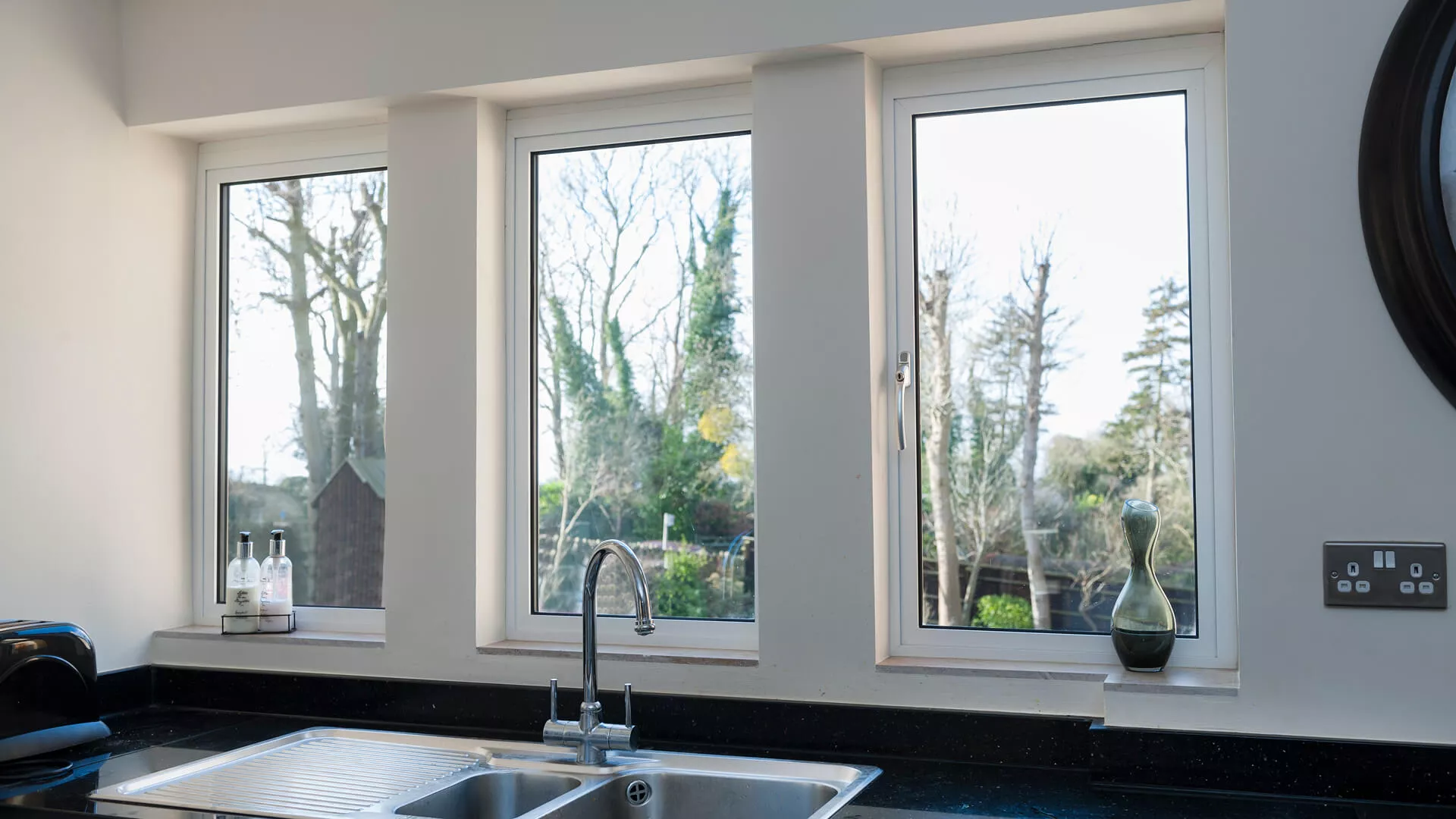
You can’t overplay the elegance of aluminium windows, renowned for having wonderfully slim frames and generously sized glazing, maximising sightlines. Aluminium’s strength is central to how it manages to support large panes and offers a sleek appeal. Windows composed from aluminium often get chosen for contemporary residences and when increased daylight is desired.
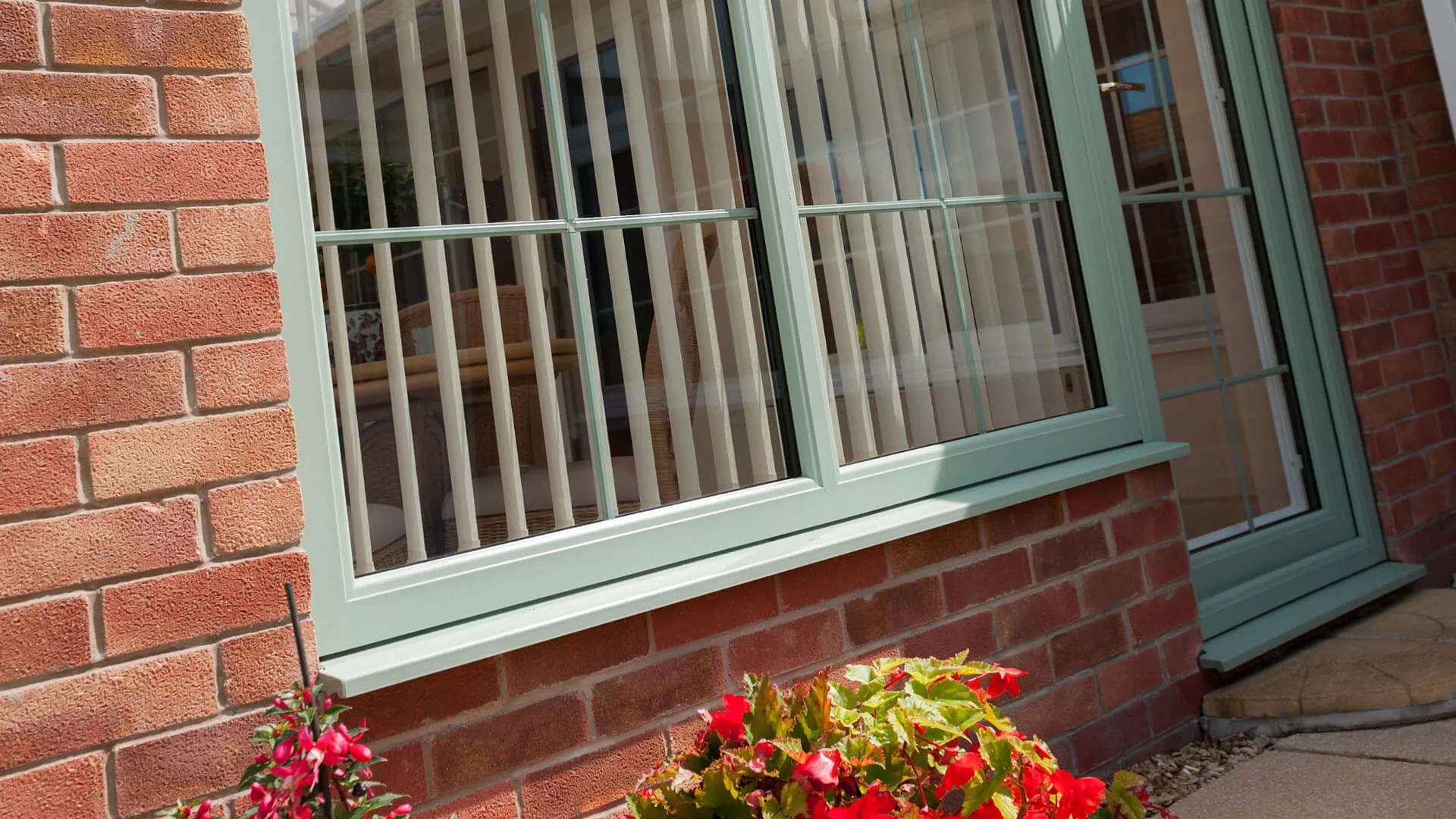
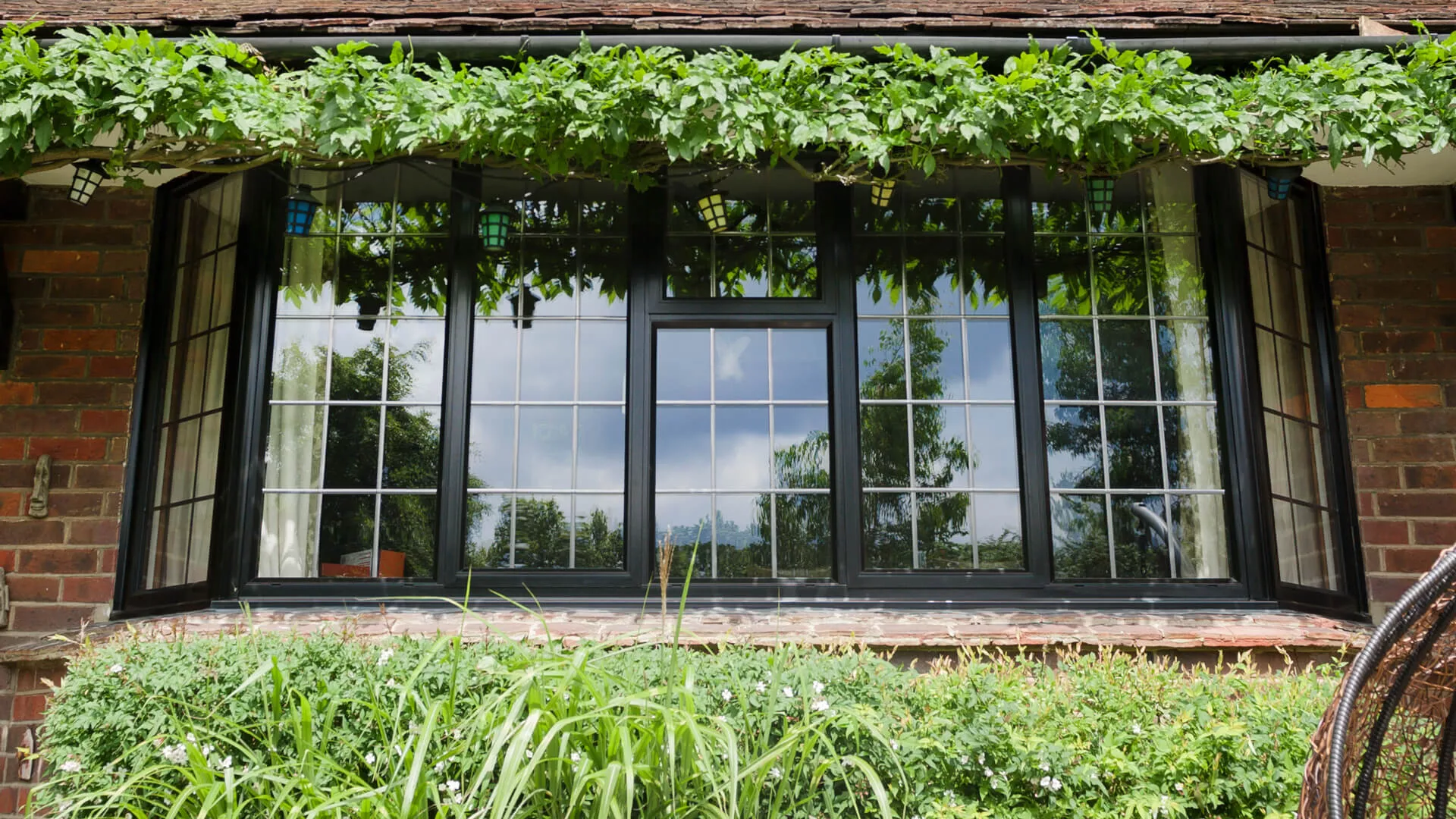
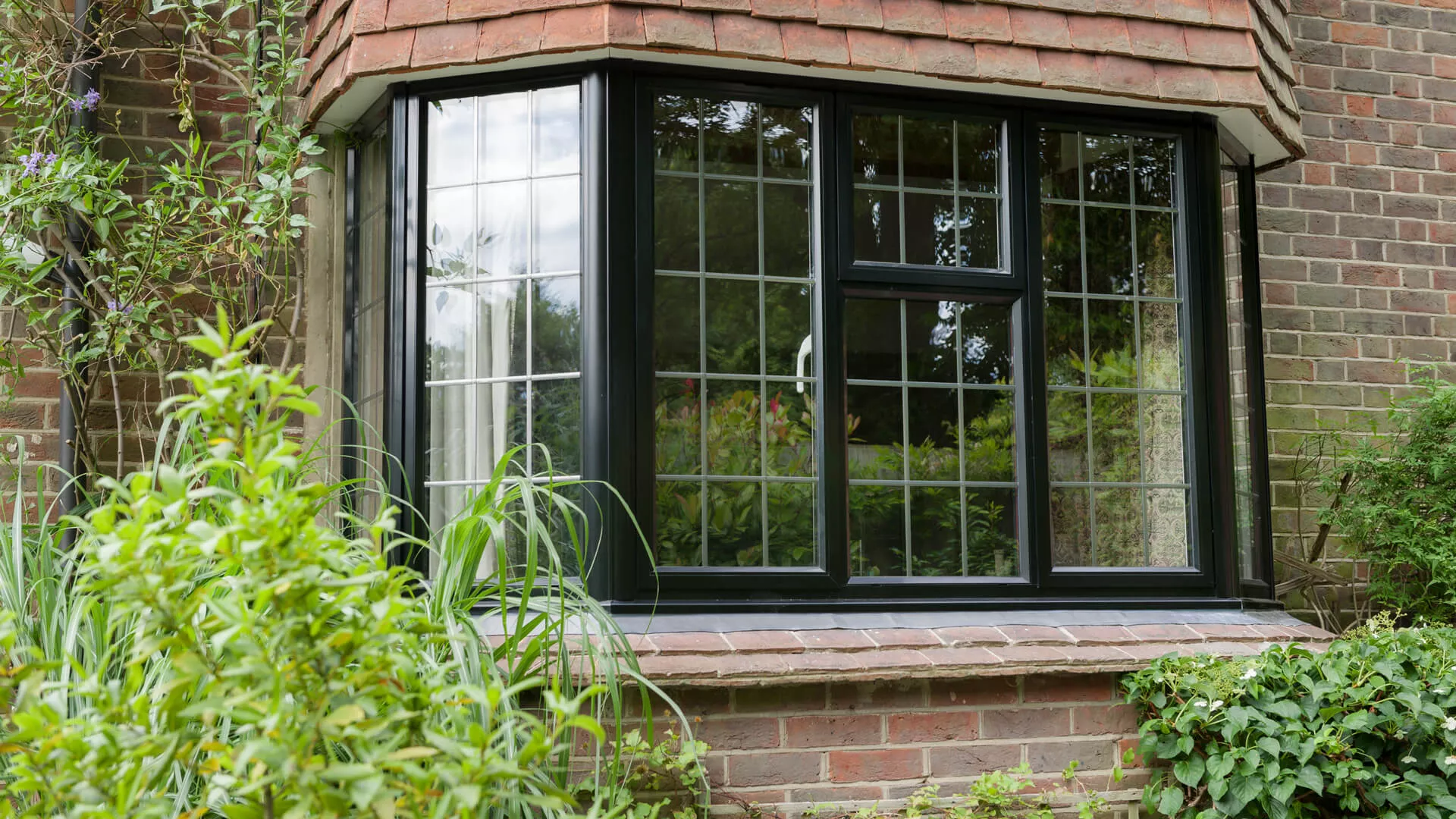
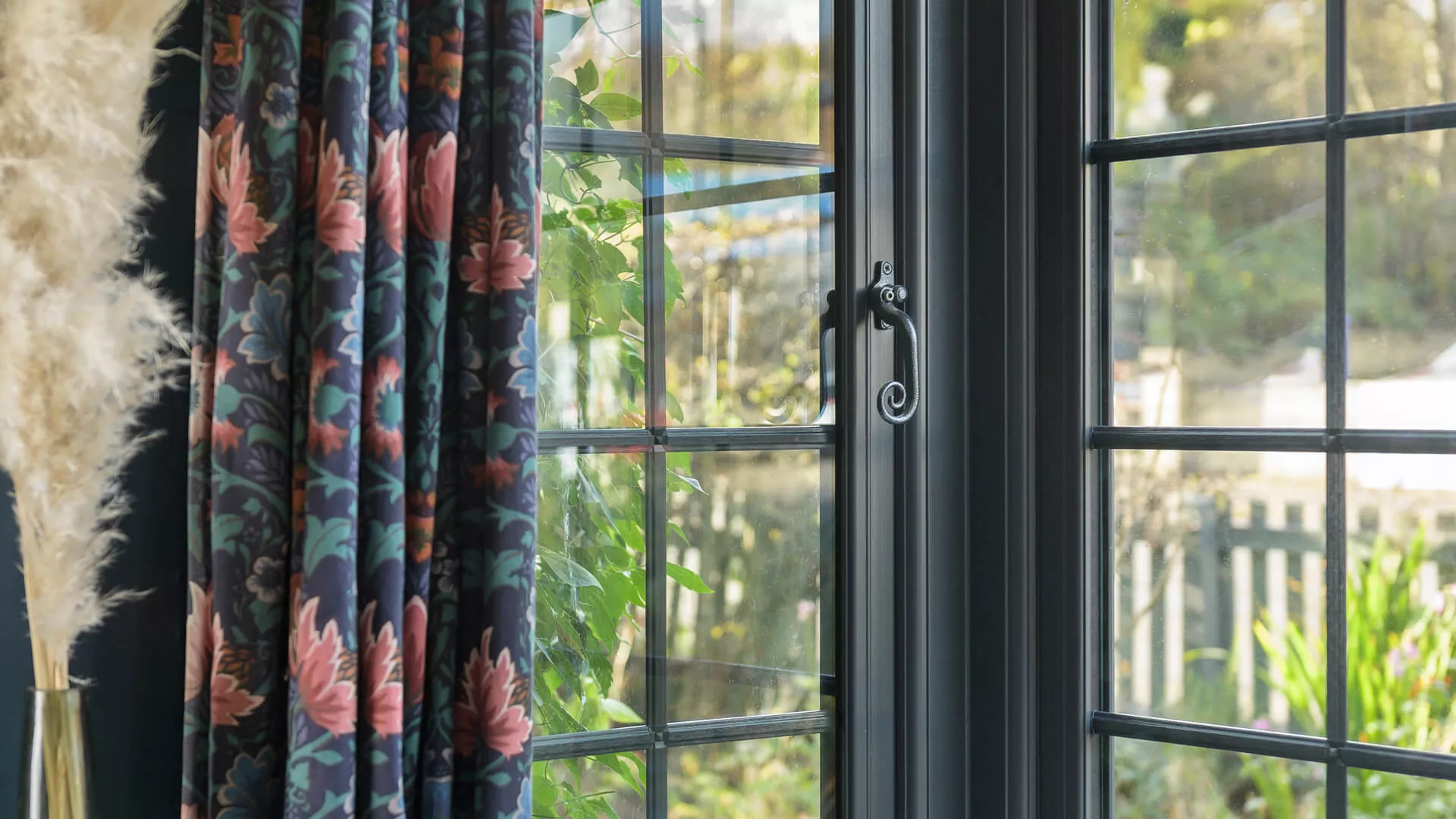
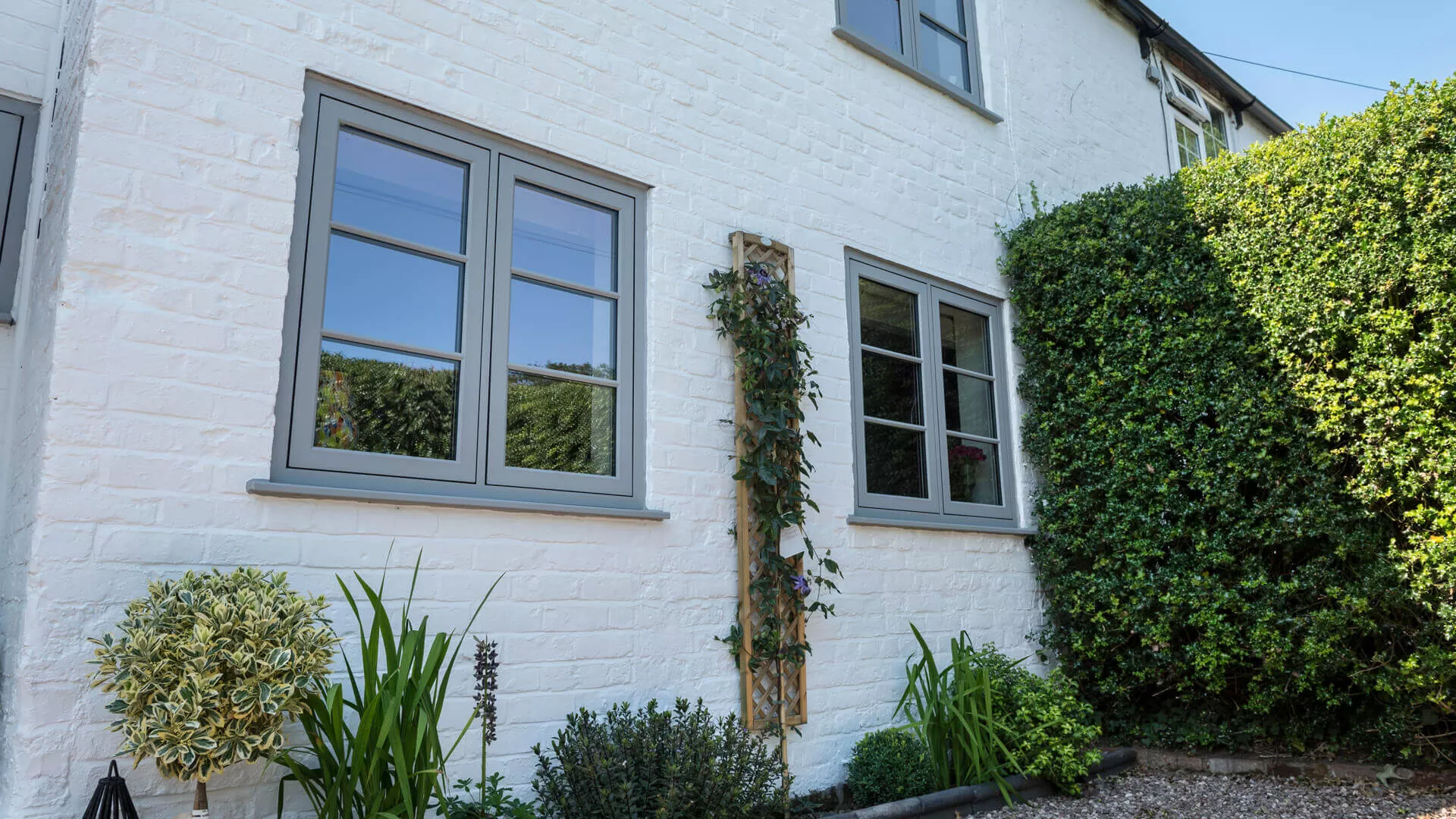
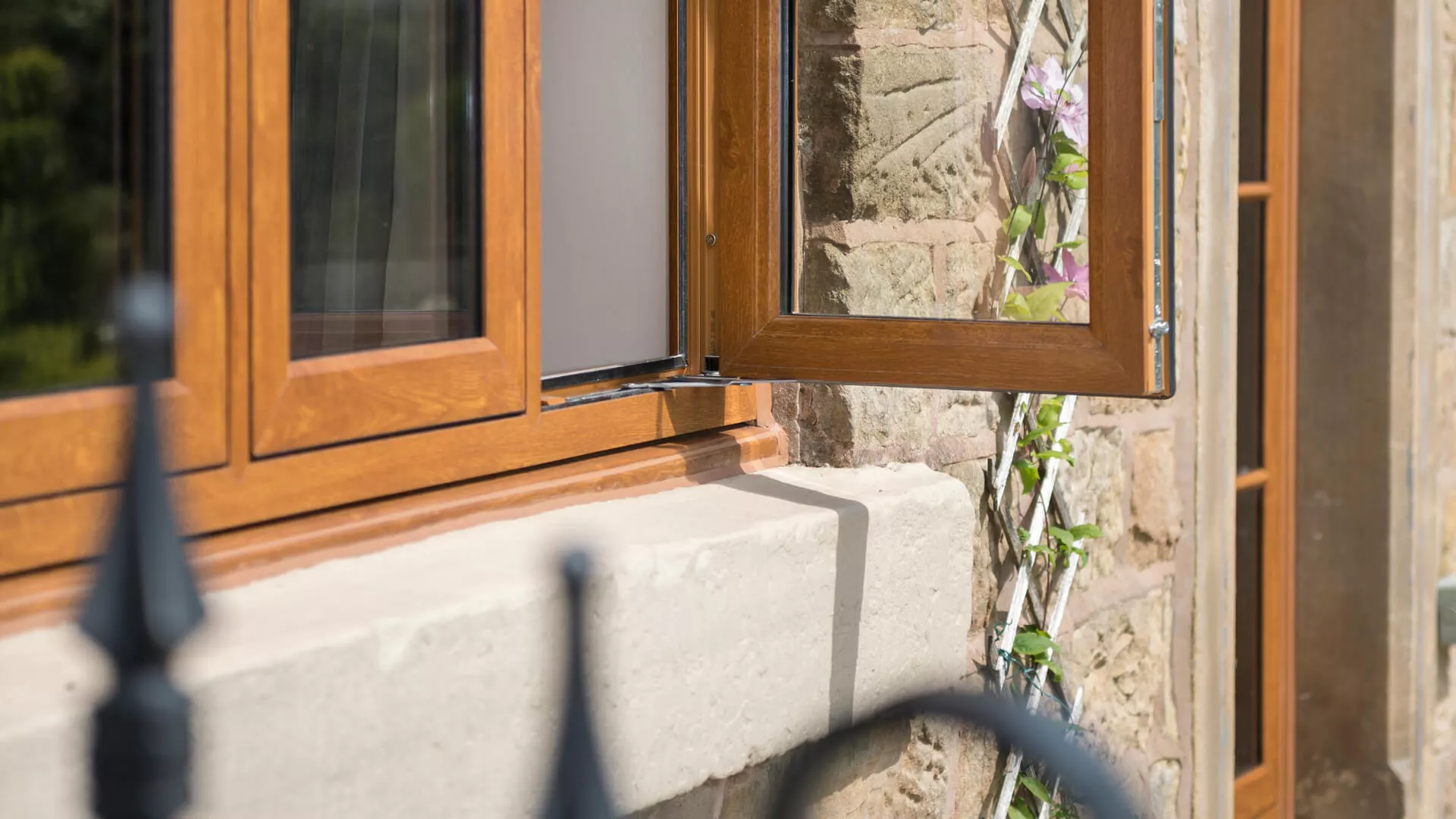
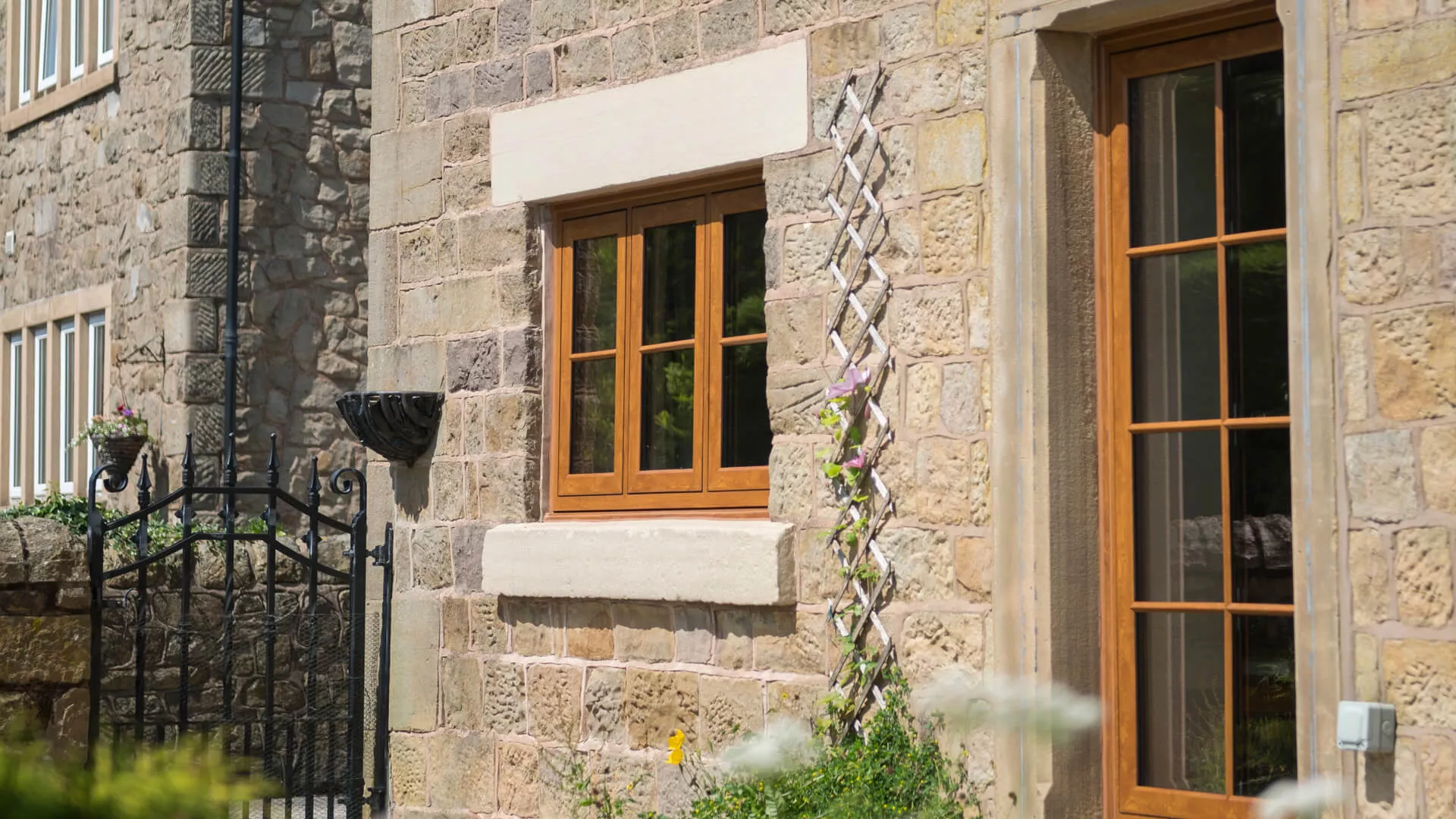
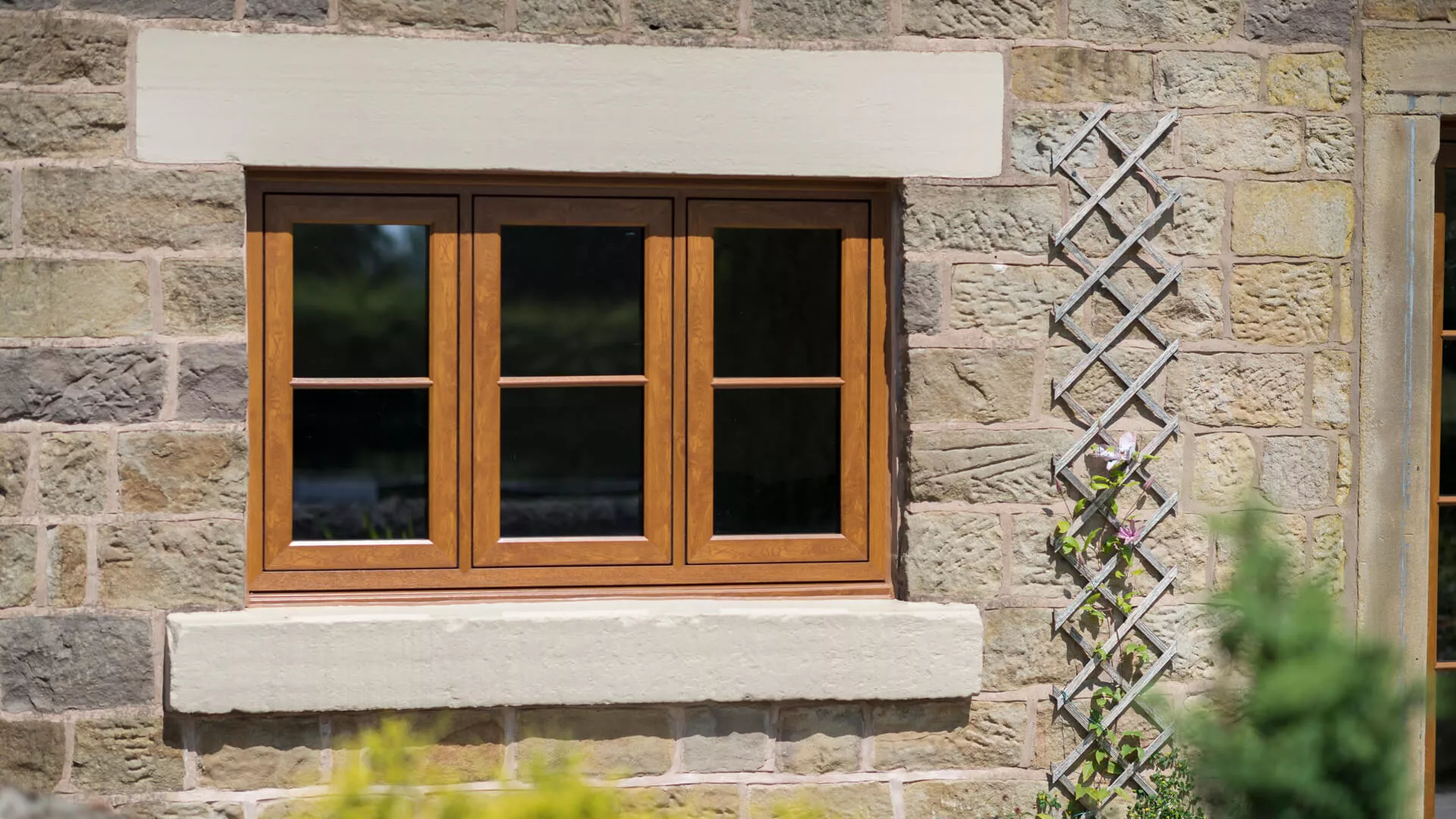
Homeowners who admire wooden frames frequently turn to UPVC as you can incorporate woodgrain foil finishes into the material to give it a wood effect. Perfect for traditional and period dwellings, wood-like UPVC windows don’t require anywhere close to as much maintenance as timber frames.
Countless RAL colours are on offer with aluminium windows and get carefully powder-coated onto the frames.
The number of foil finishes for UPVC aren’t as vast, but you still get a good amount of woodgrain effects and modern colours to pick from.
Combine materials if they’ll successfully pair together. For example, you could install an aluminium bi-folding or sliding door with matching-coloured UPVC triple glazing windows.
How Do You Choose a Material?
This is the burning question in any discussion about aluminium vs UPVC windows, and the answer lies in what matters most to you.
Our priority list may help with that:
- Price
UPVC wins for affordability, but if you can shell out more to secure aluminium windows, the enhanced durability and sleek design are compelling reasons to do so. - Lifespan
Aluminium normally surpasses UPVC in terms of lifespan and will preserve its toughness. Although UPVC doesn’t endure as long, it compensates with superb performance. - Maintenance
There’s barely any maintenance required with regards both materials as powder-coated aluminium frames resist corrosion and fading and UPVC is easily cleaned. - Thermal Efficiency
Modern thermally broken aluminium windows and multi-chambered UPVC windows have the specification to realise outstanding thermal levels. - Green Credentials
Aluminium can be repeatedly recycled and endures for years, while UPVC provides enough insulation to stop overreliance on energy. - Security
Utmost window security can only be achieved if a durable frame is complemented with a multi-point lock, secure hardware and solid glazing. - Aesthetics
It’s difficult not to be enticed by the beauty of aluminium and wide sightlines. UPVC can be transformed to believably imitate wooden profiles.
Some last bits of advice…
- Find the best price by comparing quotes – obtain 3 of them from different reputable installers.
- Ask for details of U-values, glazing, PAS 24 certification and guarantees.
- Travel to showrooms to witness the two window types and be shown installation examples.
In conclusion, upvc vs aluminium windows which is better depends on what you value as most important.
Meeting a TWC advisor can help you come to a definitive conclusion as to which you prefer, who can cover all sorts, including discussion about soundproof windows.
Request your free quote today!
Simply fill in your details for your free, no obligation quotation, and click "Get Quote"
Want to speak with an Advisor? Give us a call on 01793 781413
Our friendly team will be pleased to help with any questions you may have.