Request Your Free Window Quote
Simply fill in your details for your free, no obligation quotation
Q1. What is a flush window and how is it different from a standard casement?
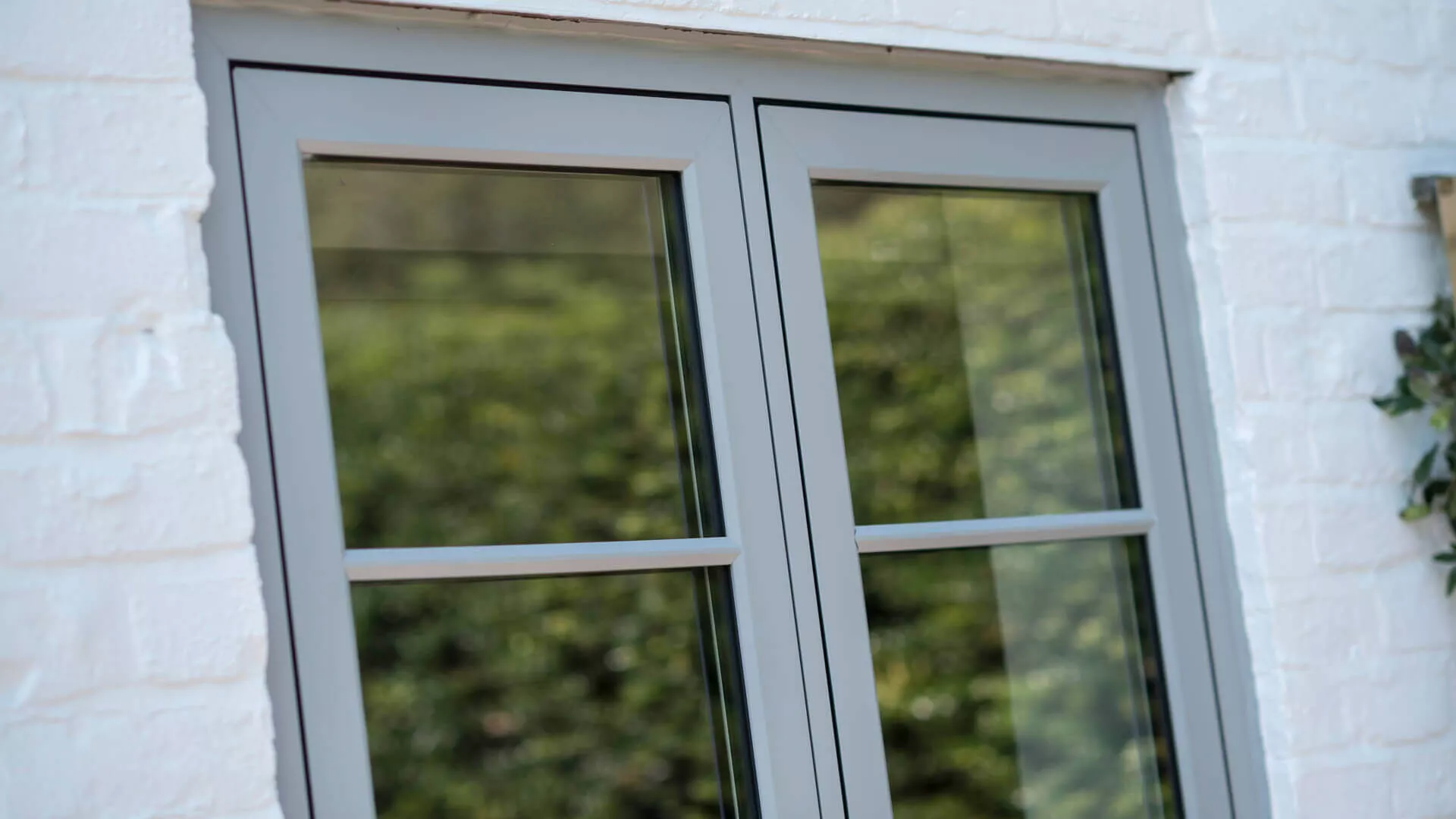
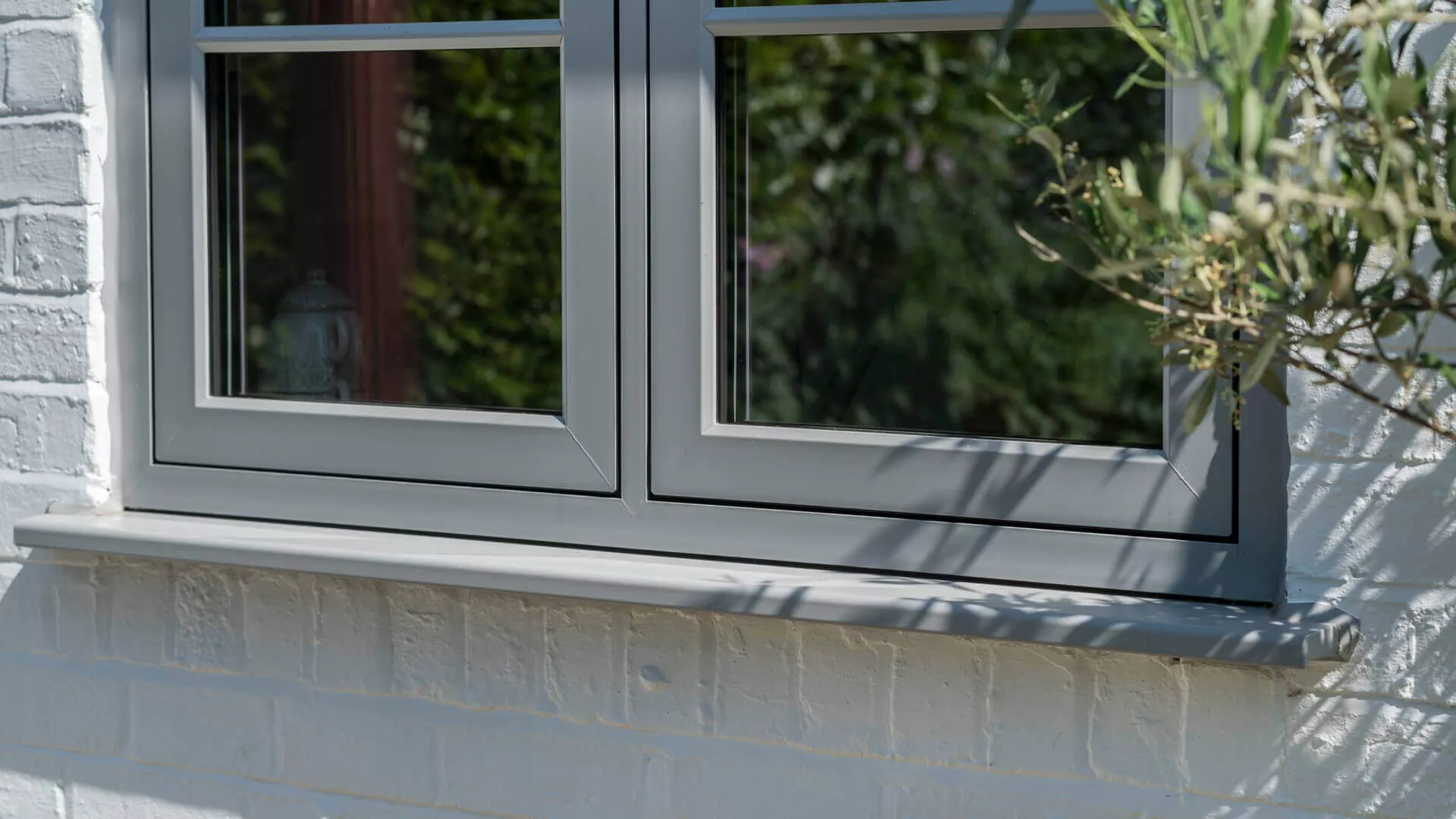
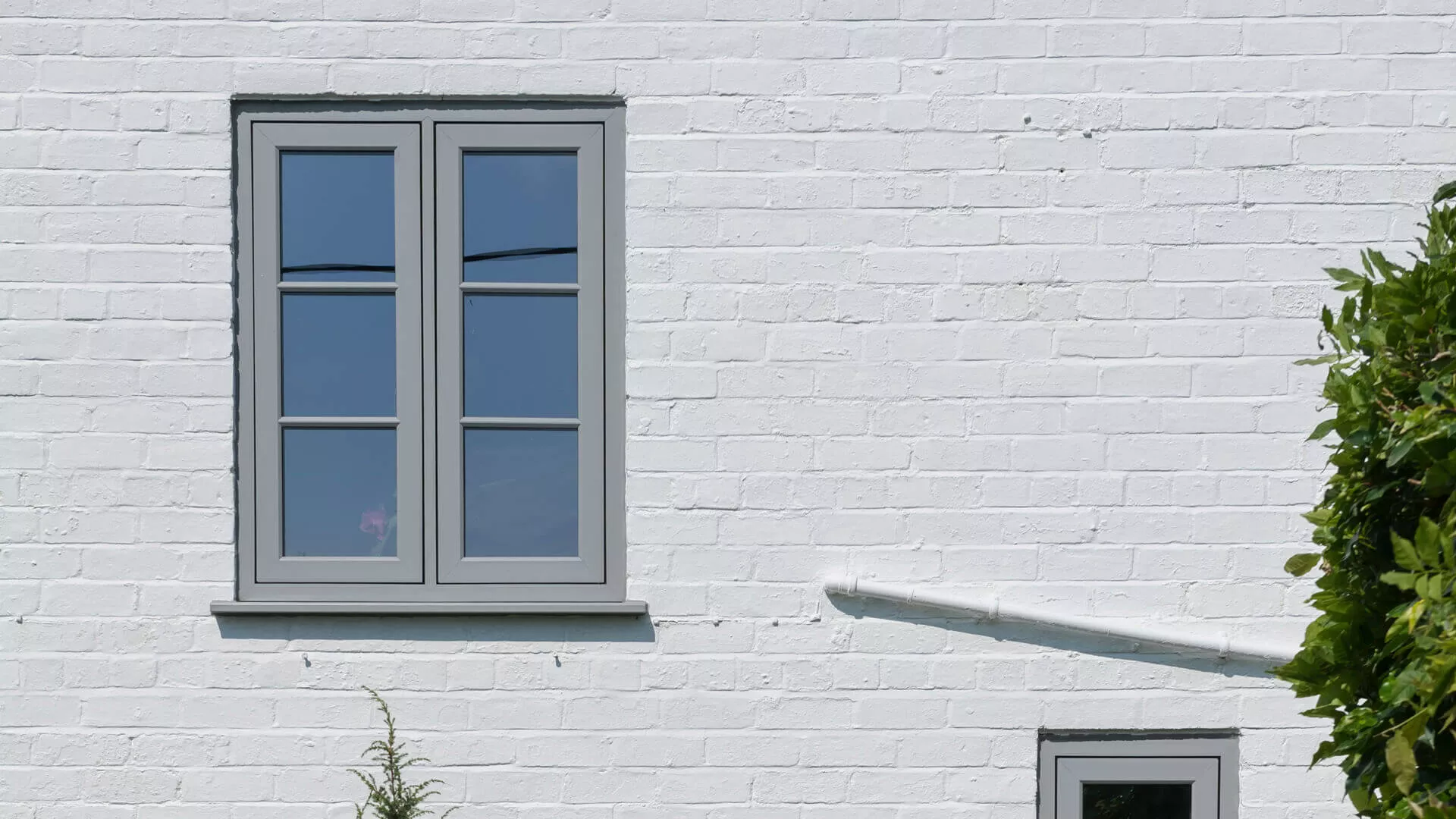
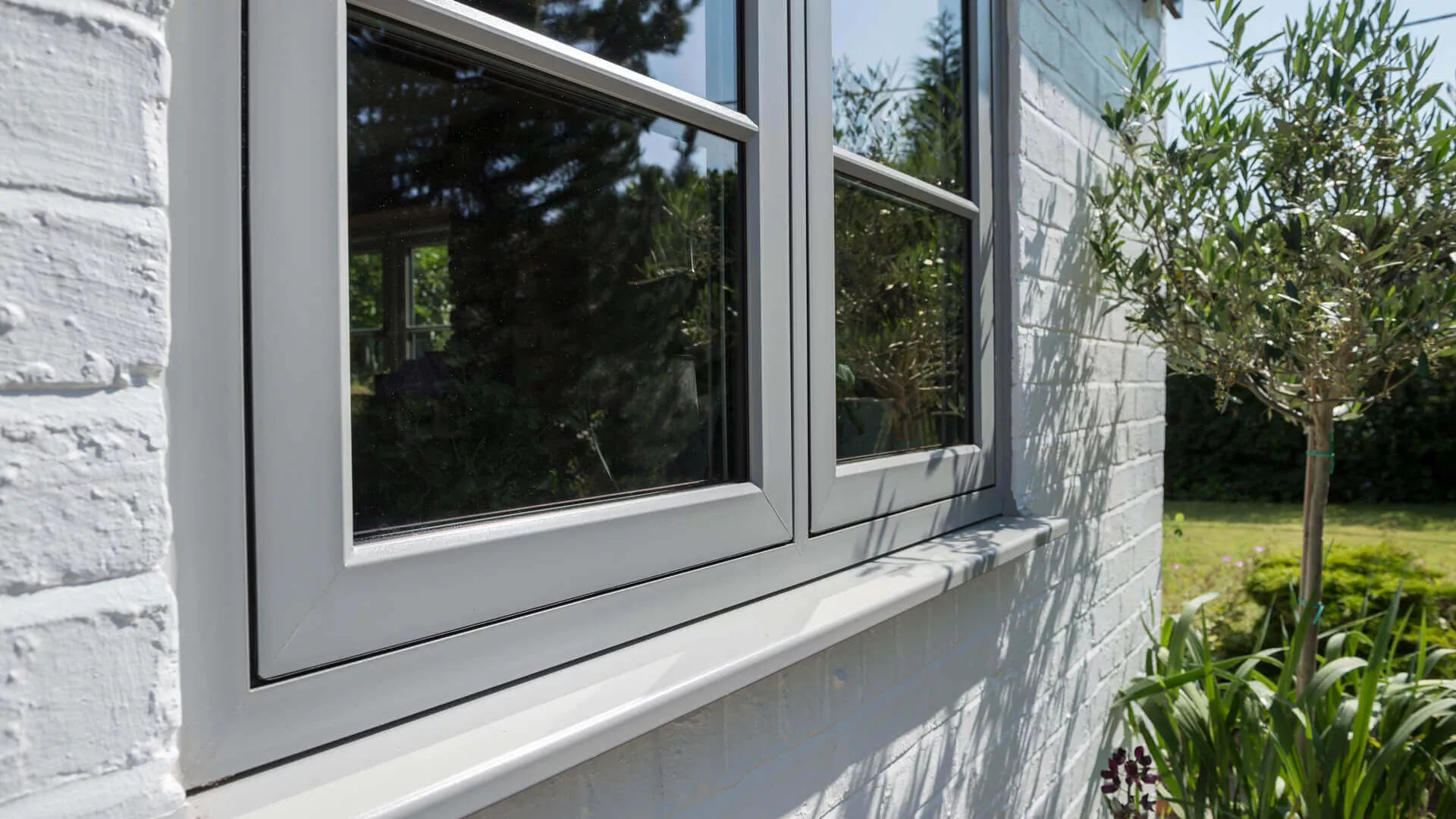
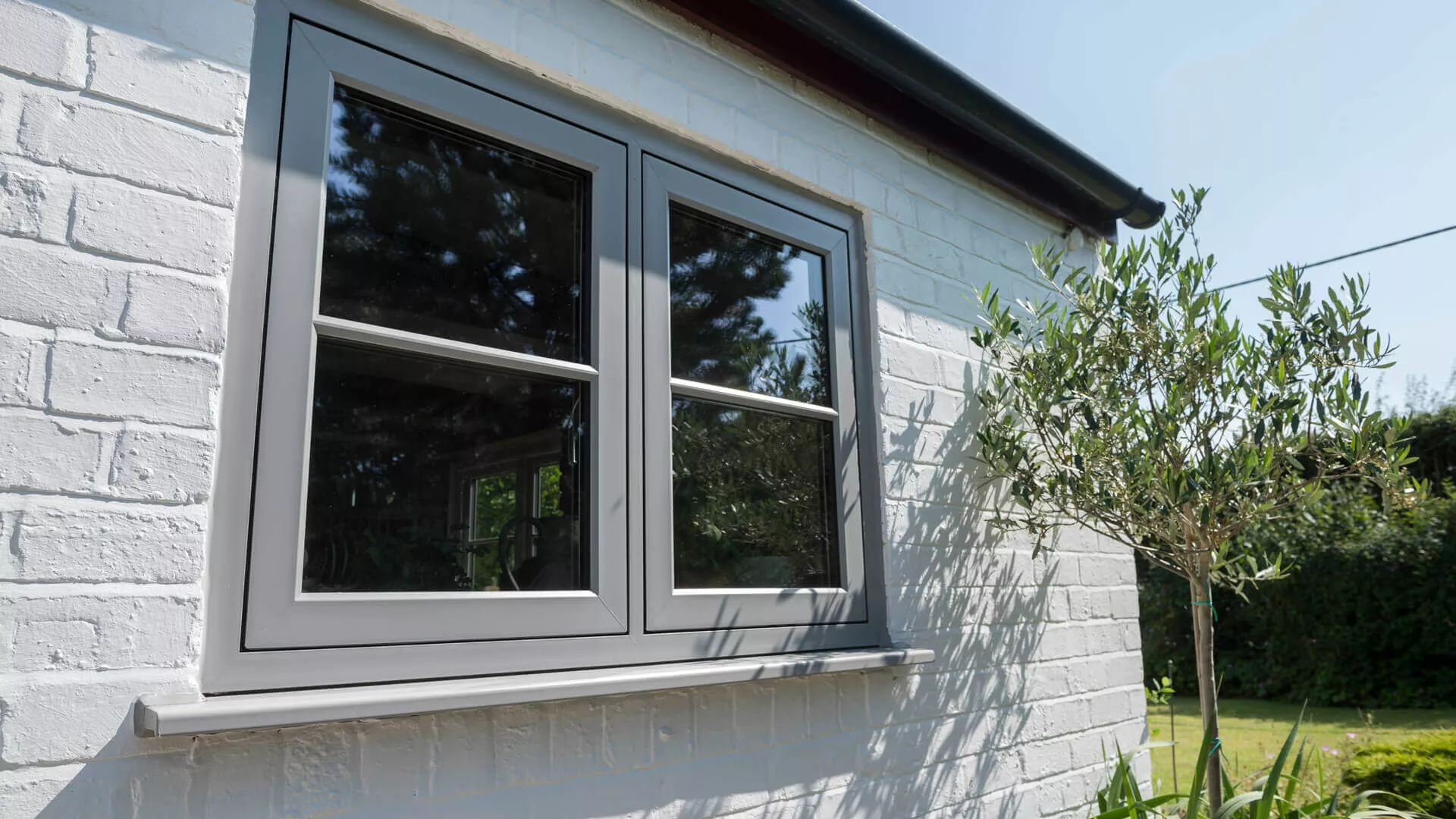
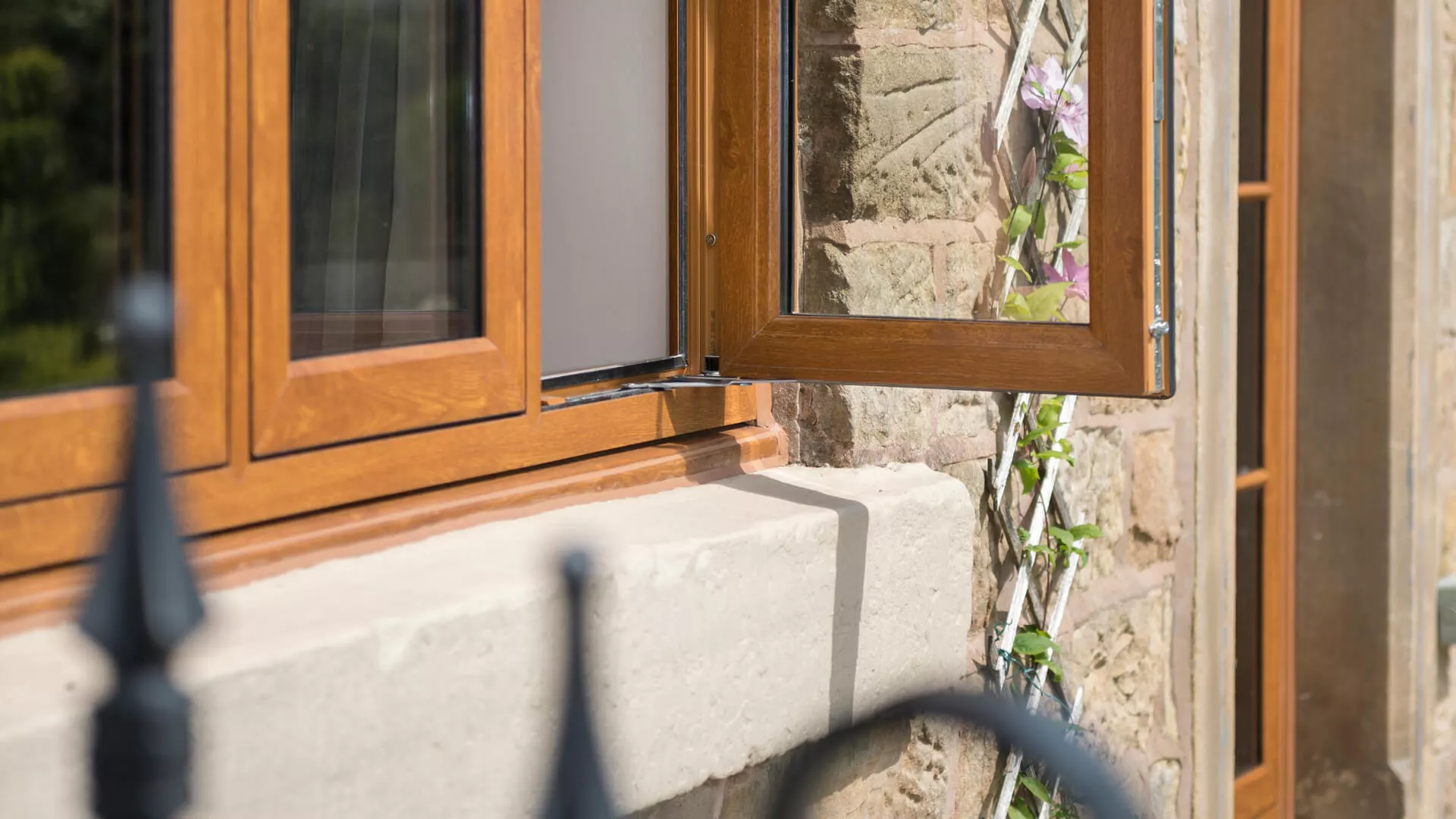
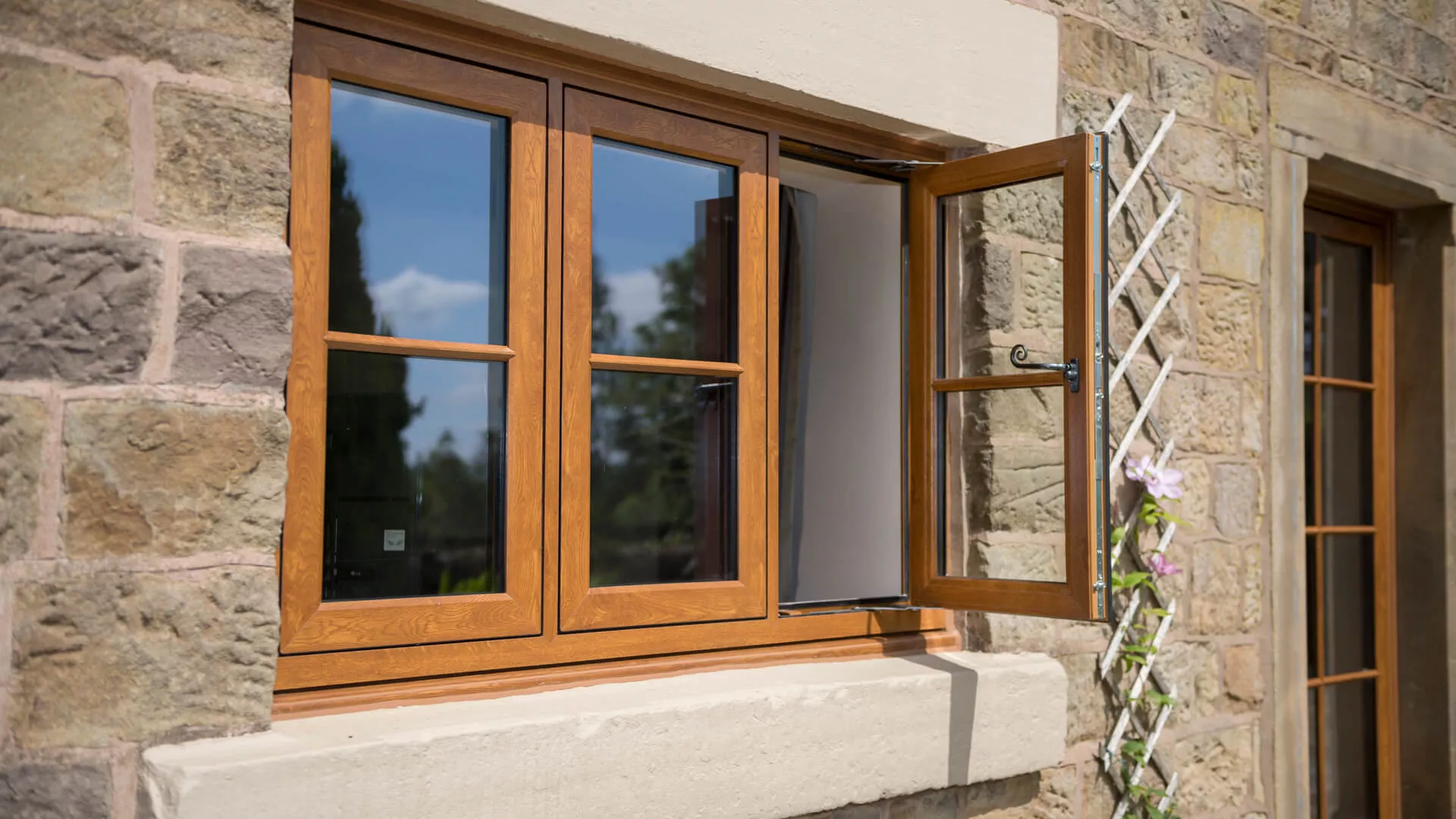
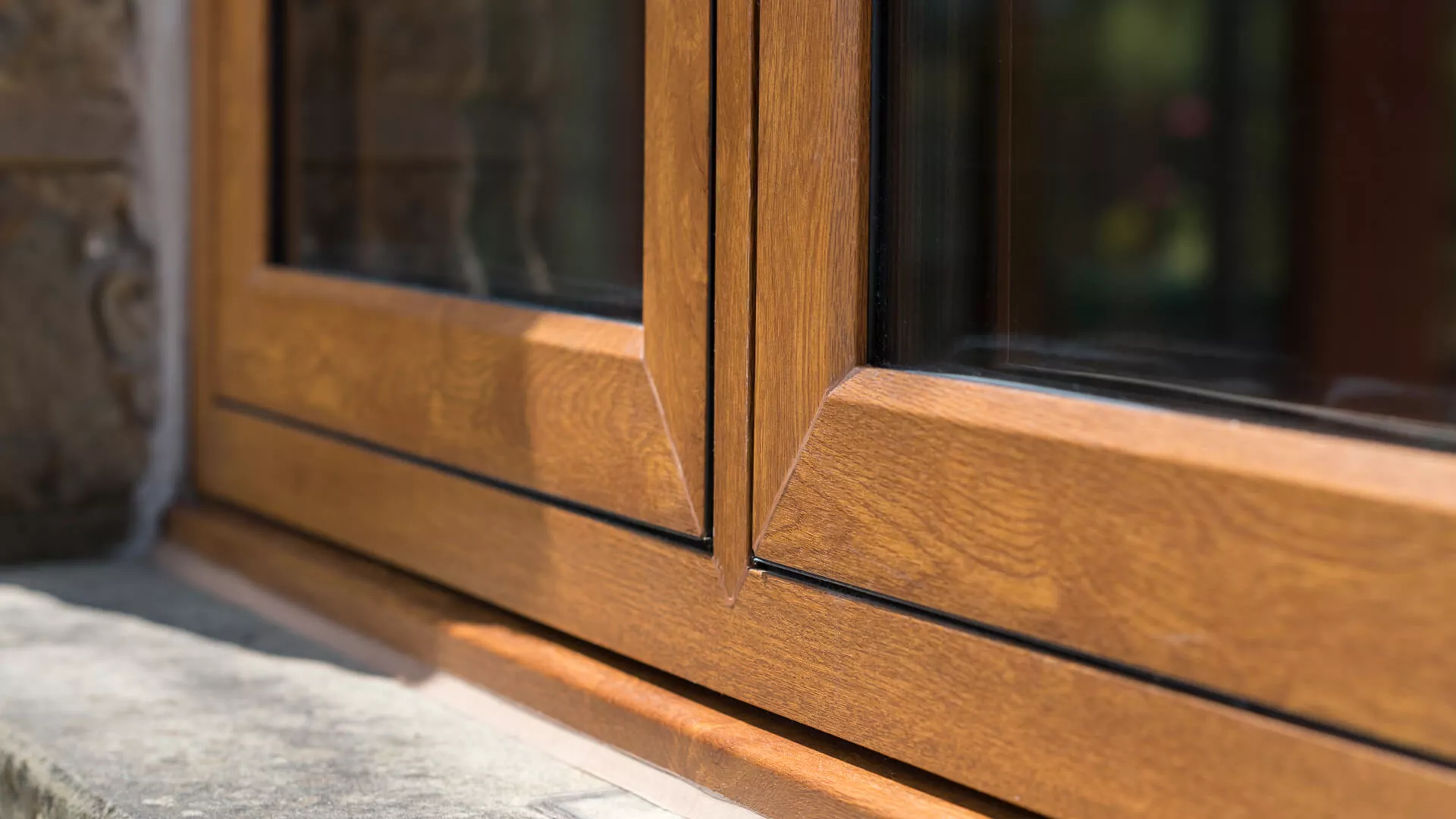
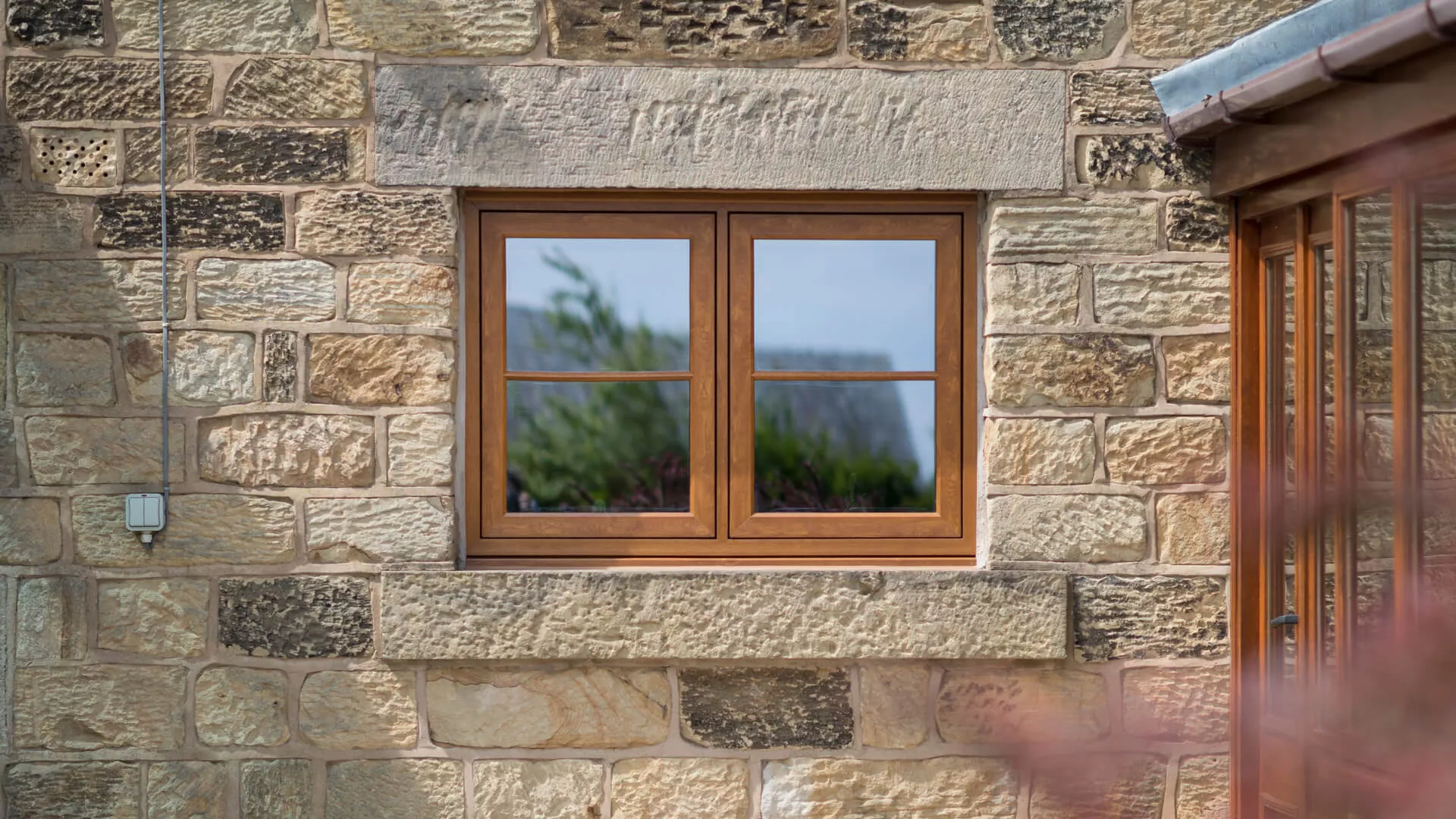
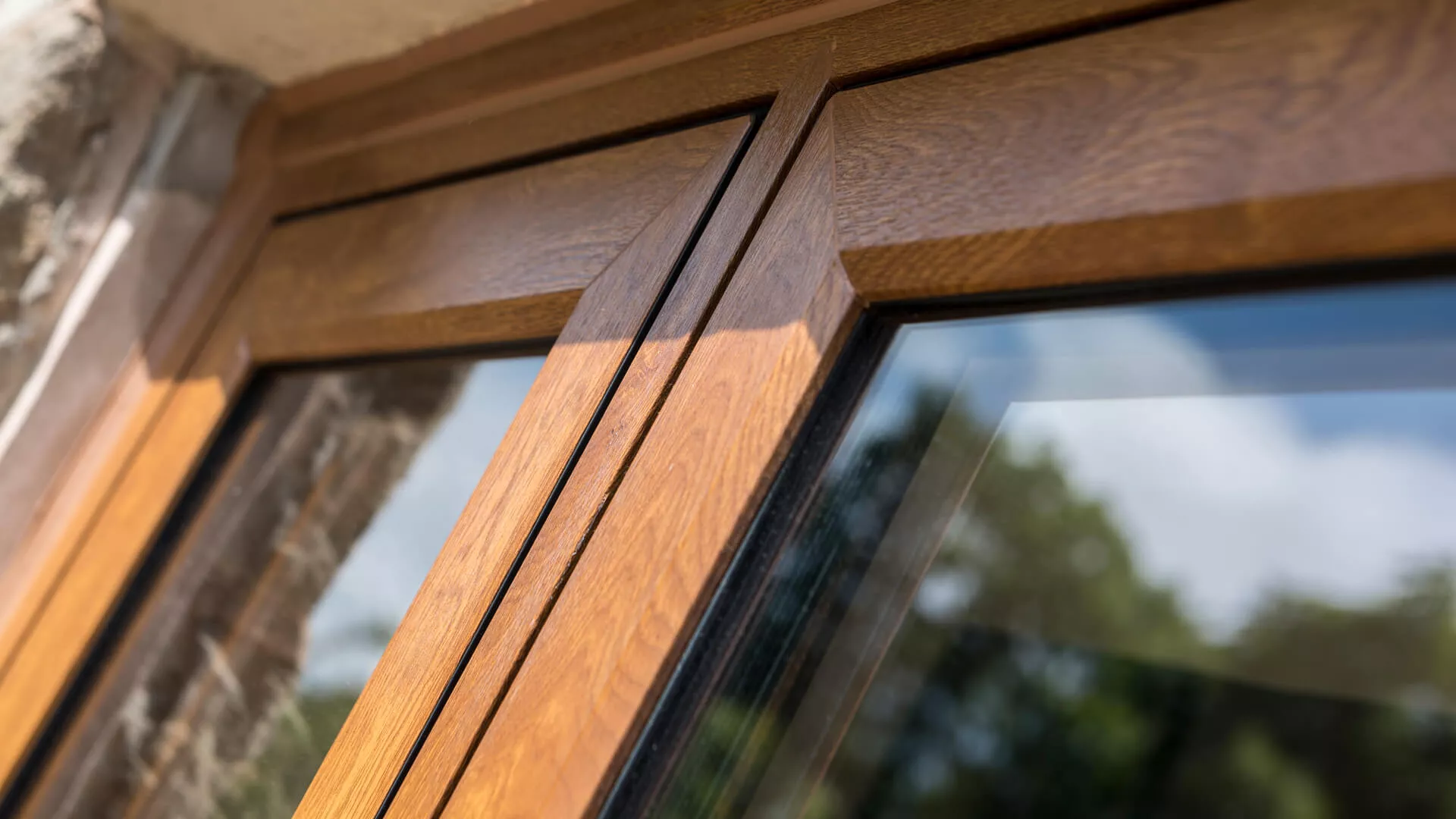
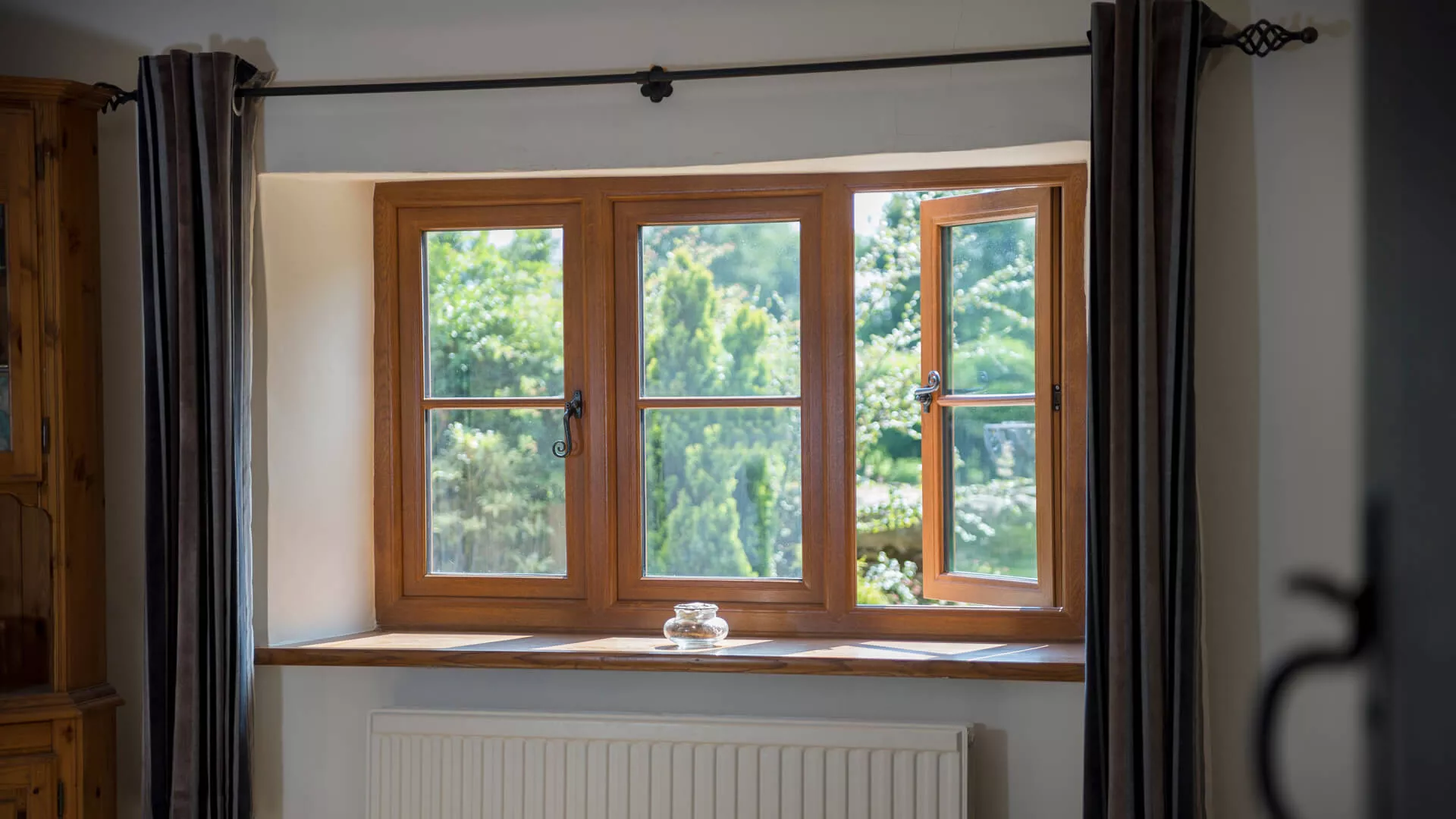
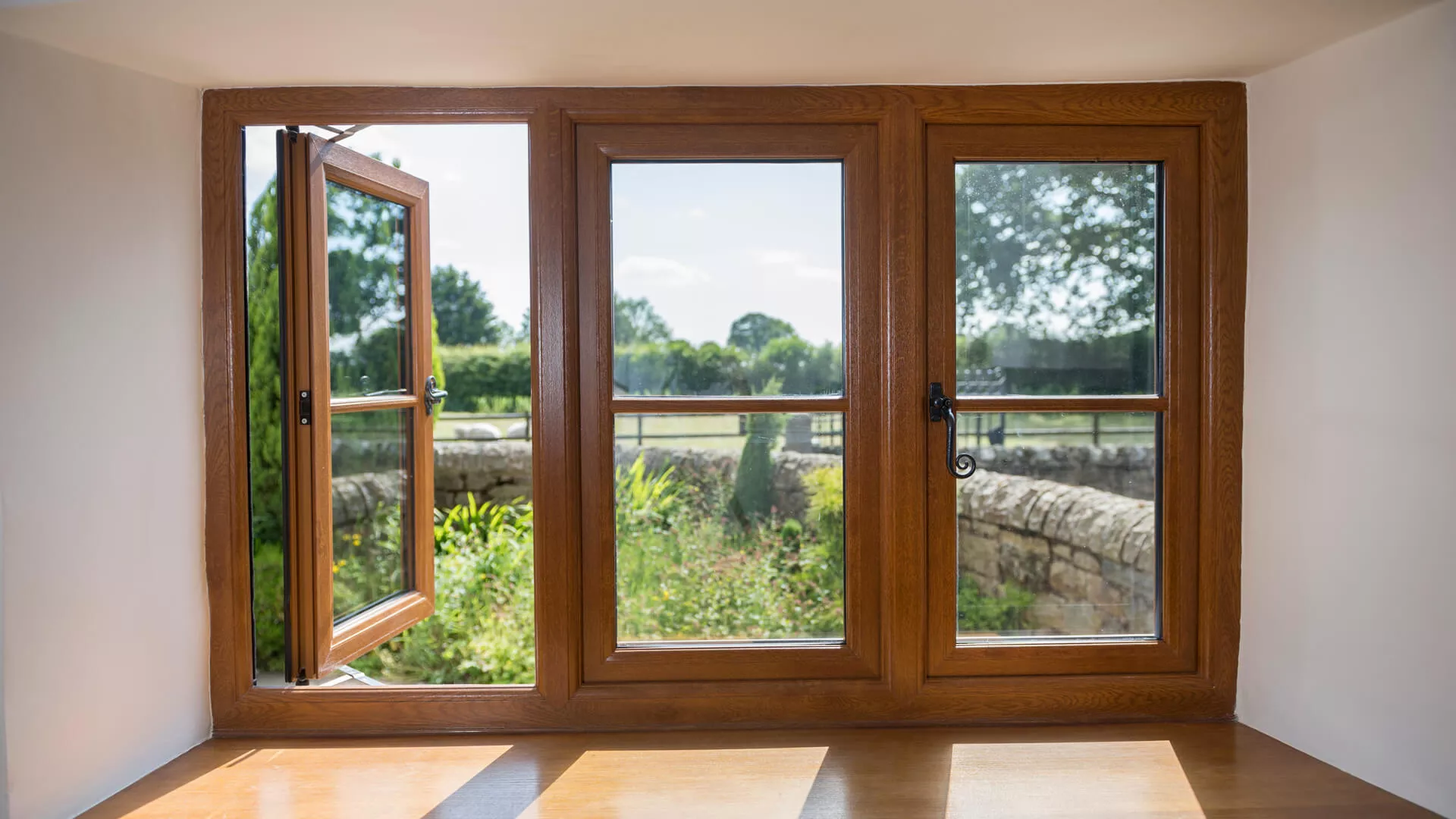
The bit that moves in a flush window i.e. the sash, sits dead level within a frame when it’s closed, resulting in a perfectly even surface. Standard casement windows contain a sash that projects outwardly from a frame.
Q2: Is UPVC or aluminium the best material for flush windows?
UPVC’s popularity can be put down to its affordability, low maintenance and commendable insulation. Aluminium is more expensive, but justifiably when considering its added strength, slender aesthetic and oversized glazed panes.
Q3: What U-value can a flush window realise and how energy efficient is it?
The average U-value of a flush window is around 1.2–1.4 W/m²K when double glazed and thoroughly sealed. However, some energy-efficient flush double glazing windows can achieve flush window U-values as low as 0.8 W/m²K.
Q4: Are flush windows suitable for listed buildings and conservation areas?
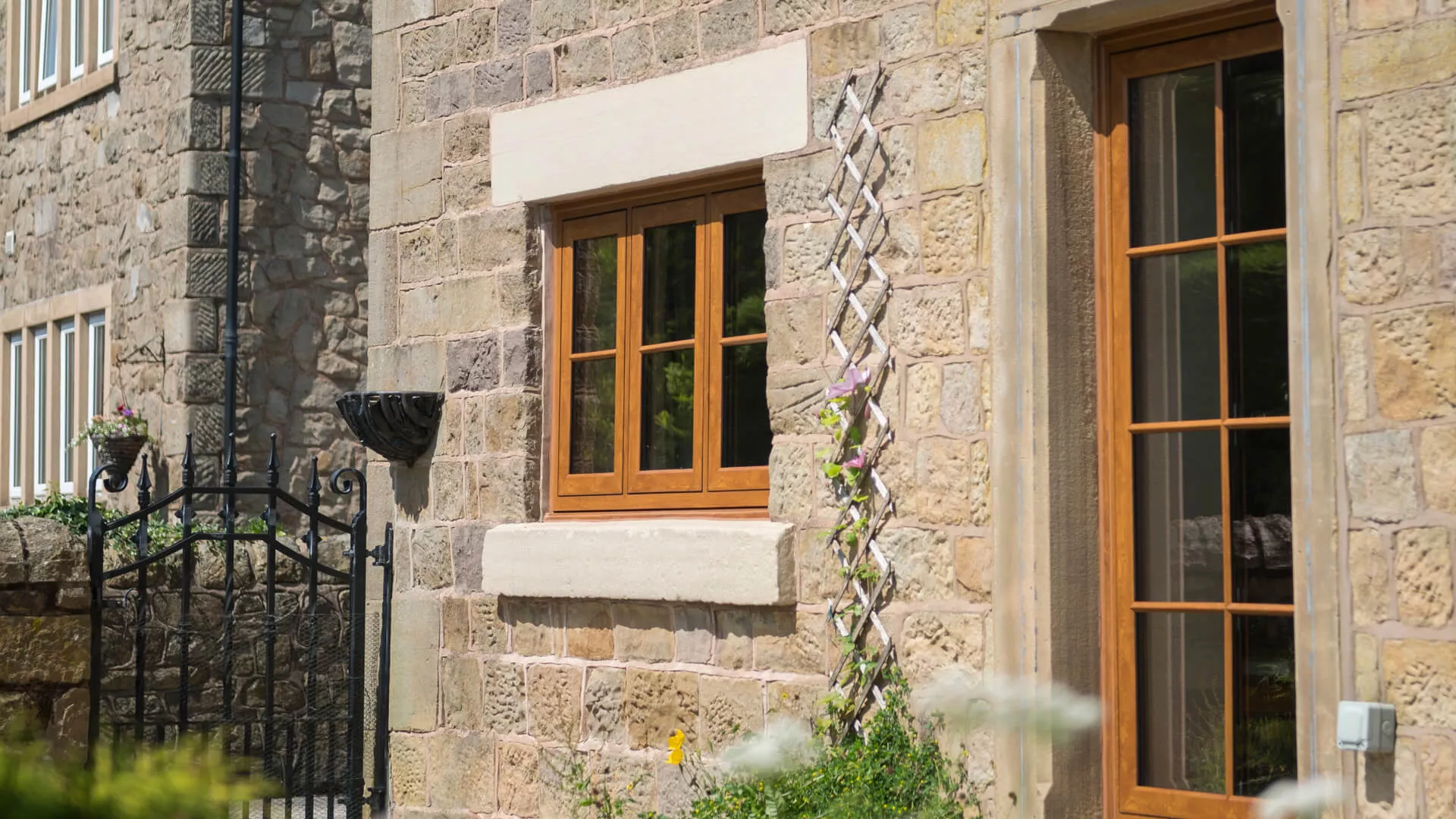
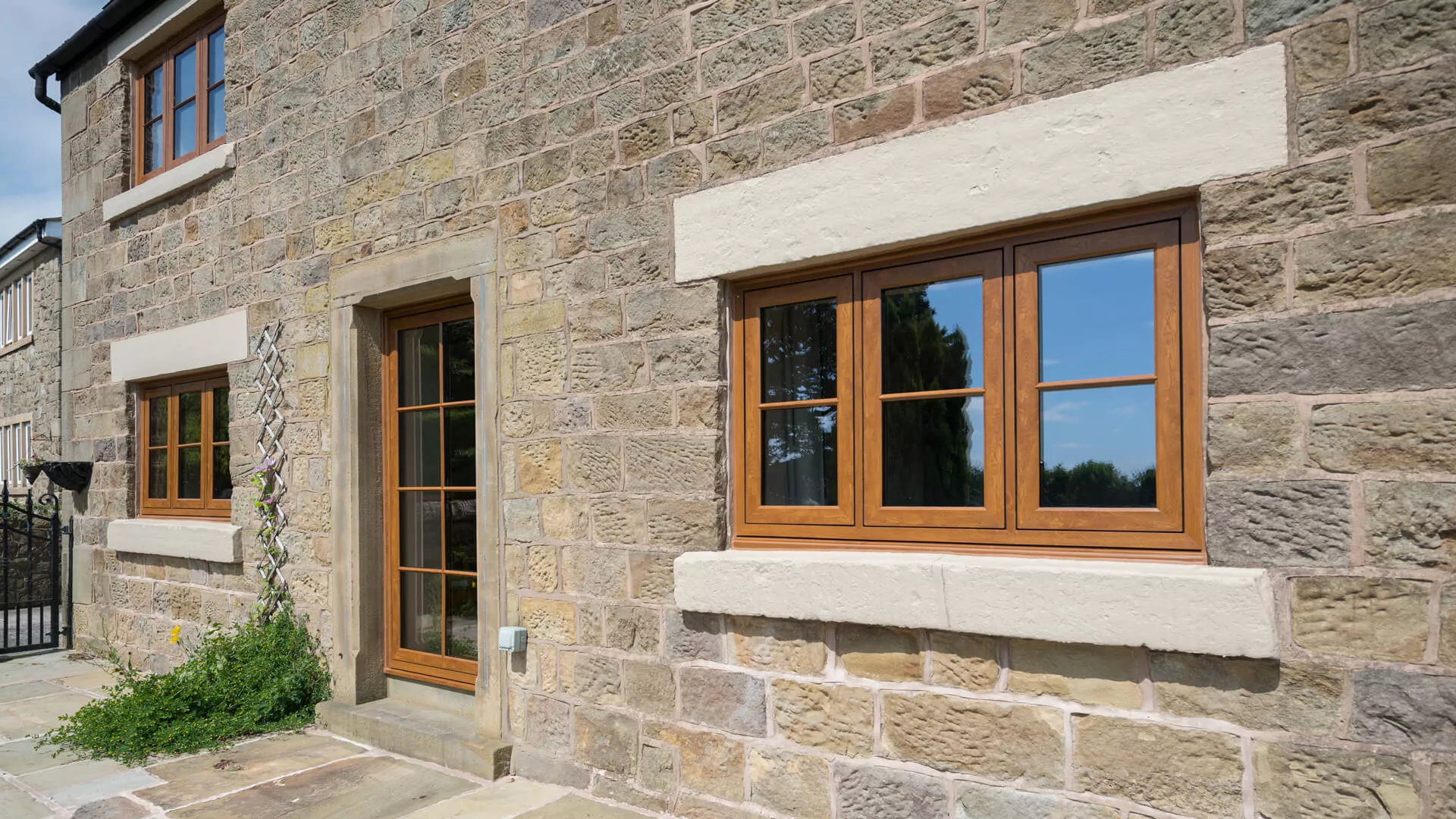
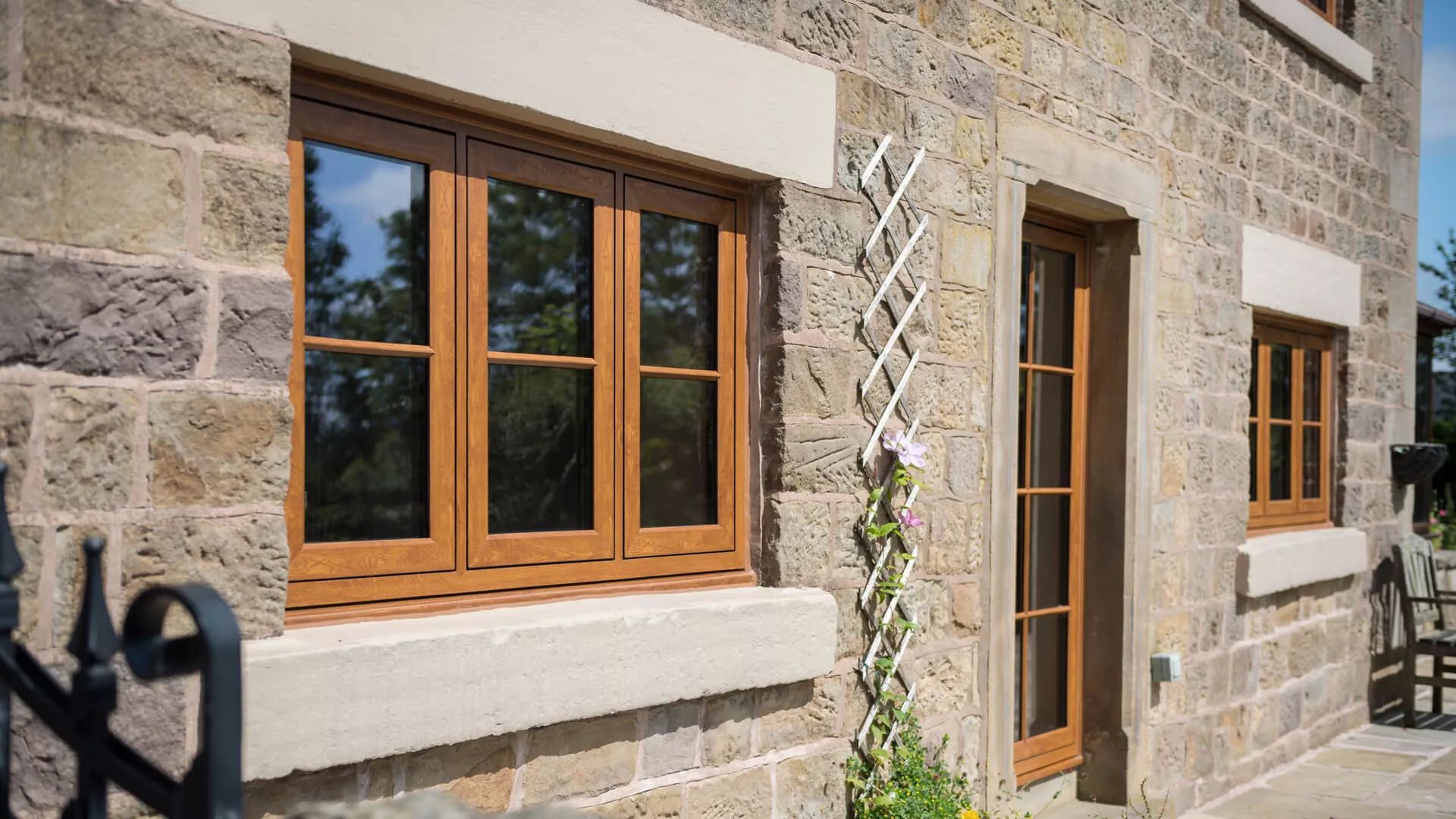
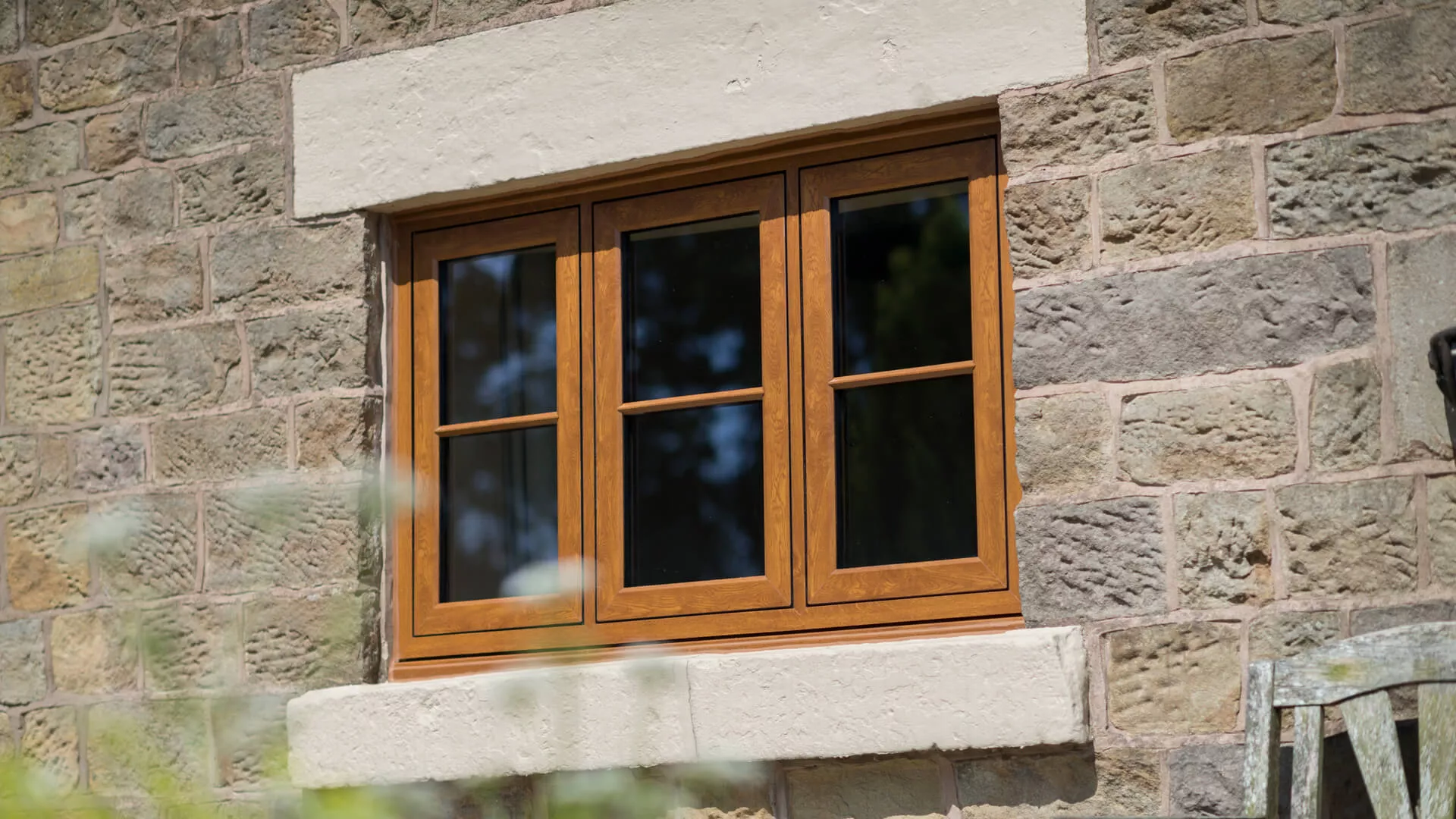
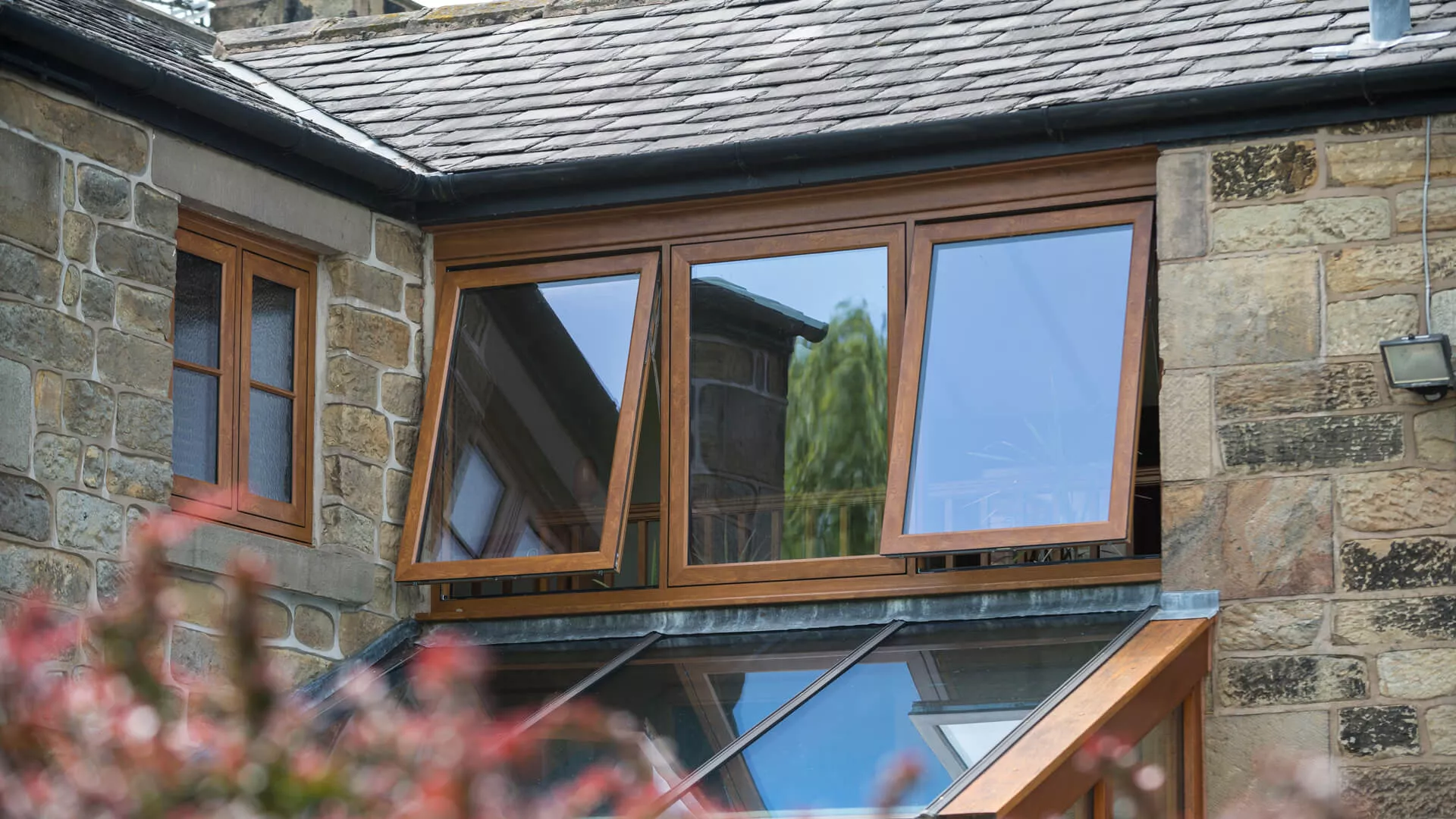
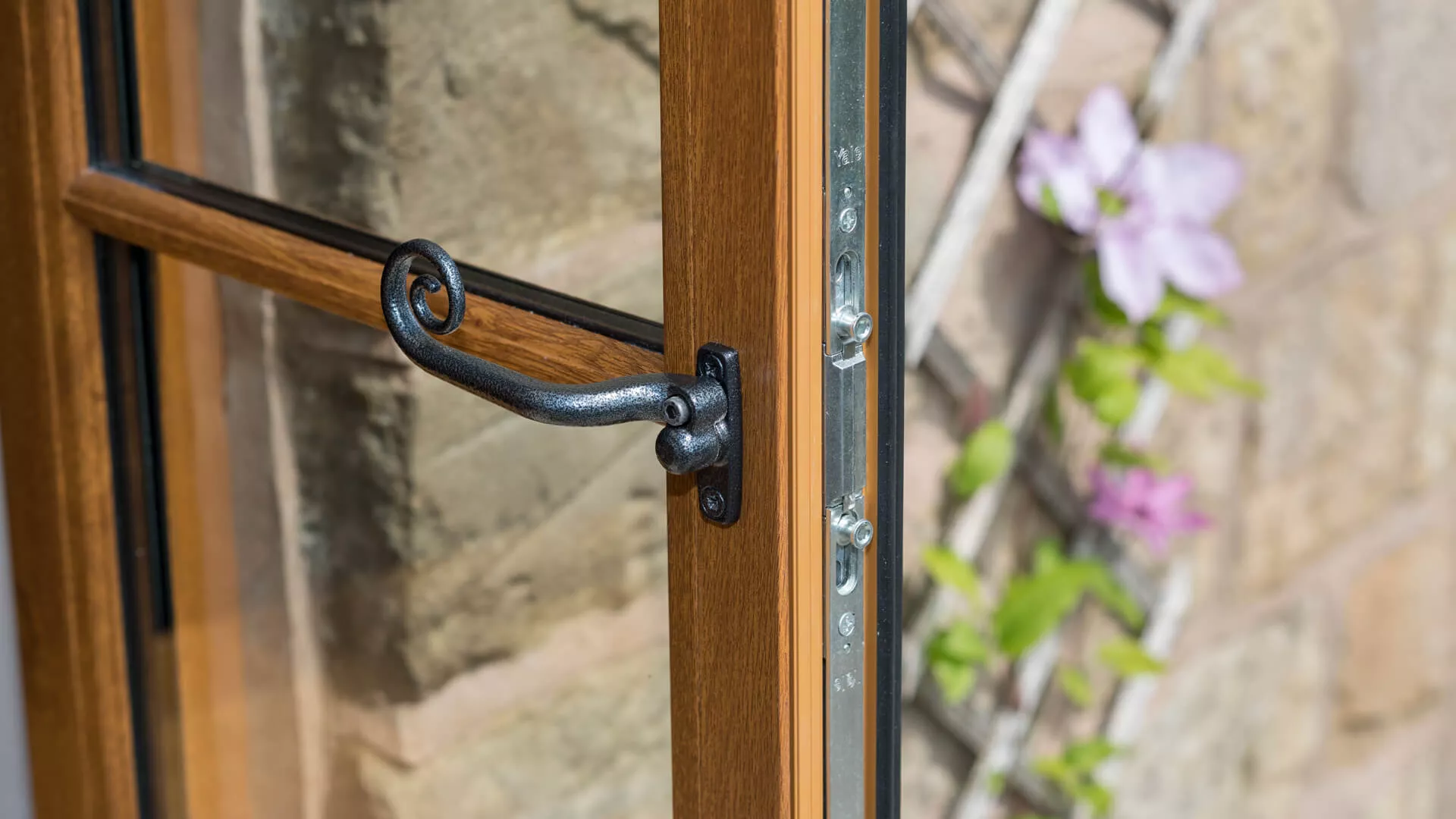
Planners largely endorse use of UPVC flush windows for listed buildings and homes in conservation areas because they closely imitate the appearance of traditional timber windows, from the frame to the hardware employed.
What Are Flush Windows?
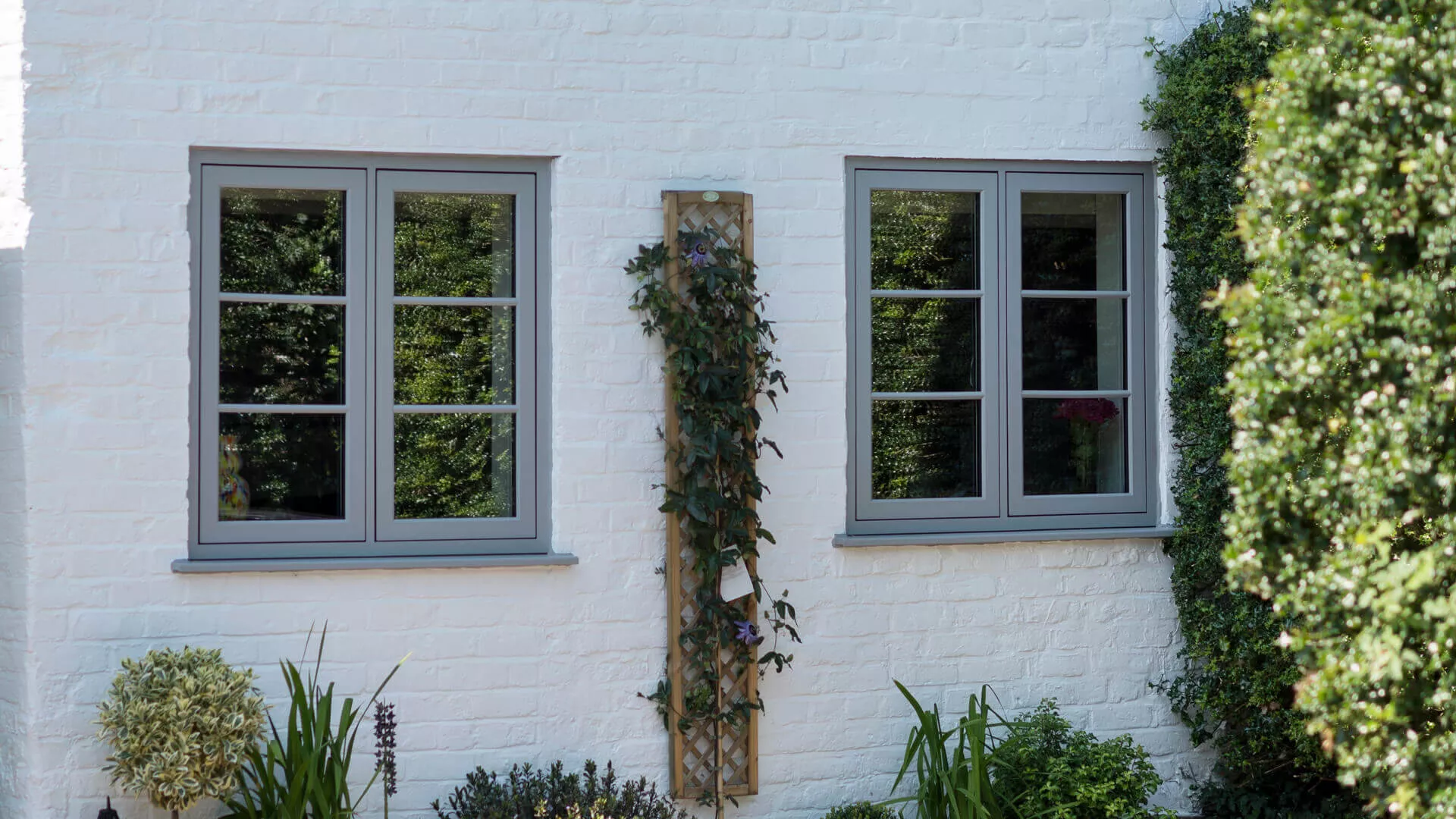
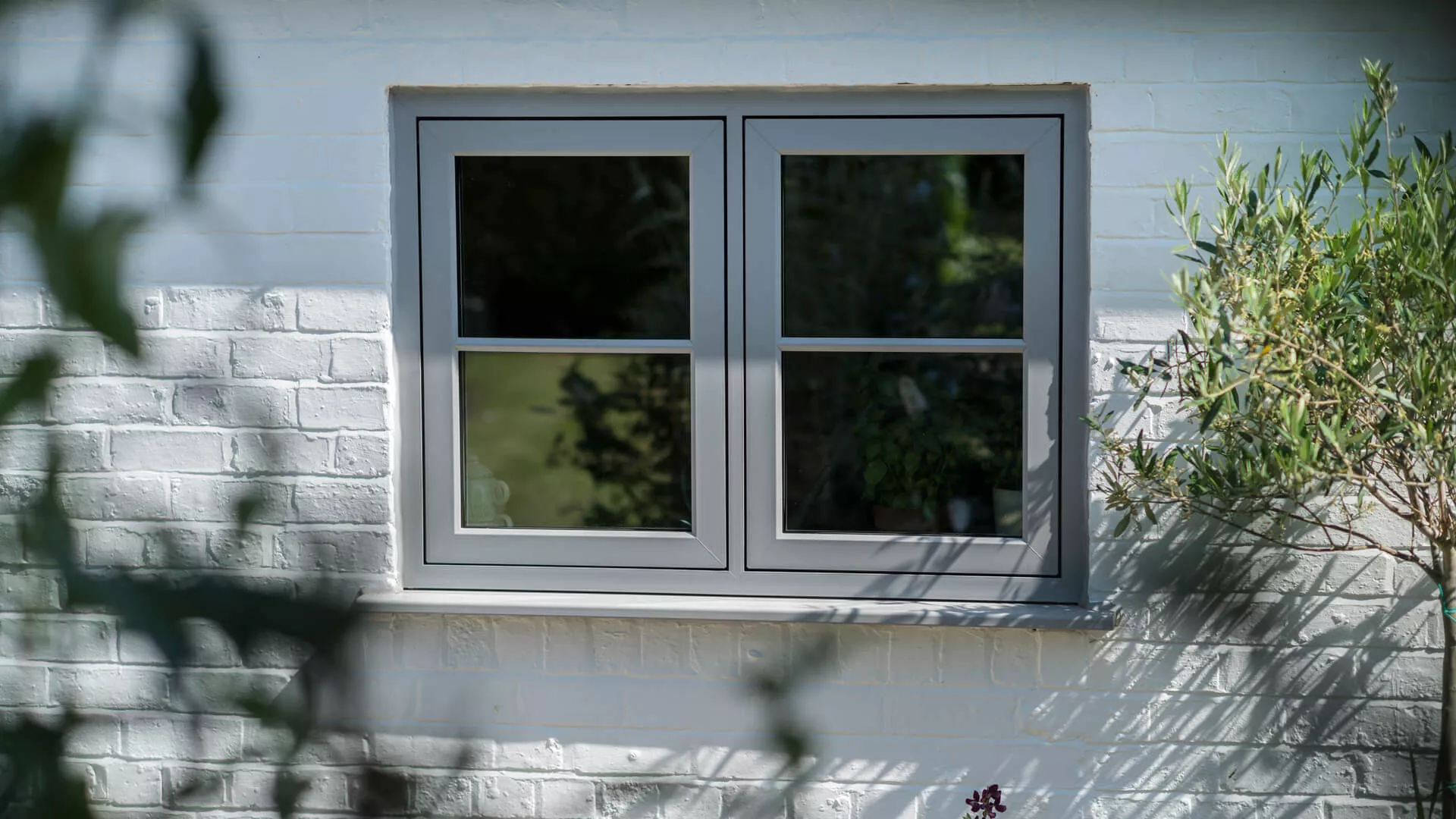
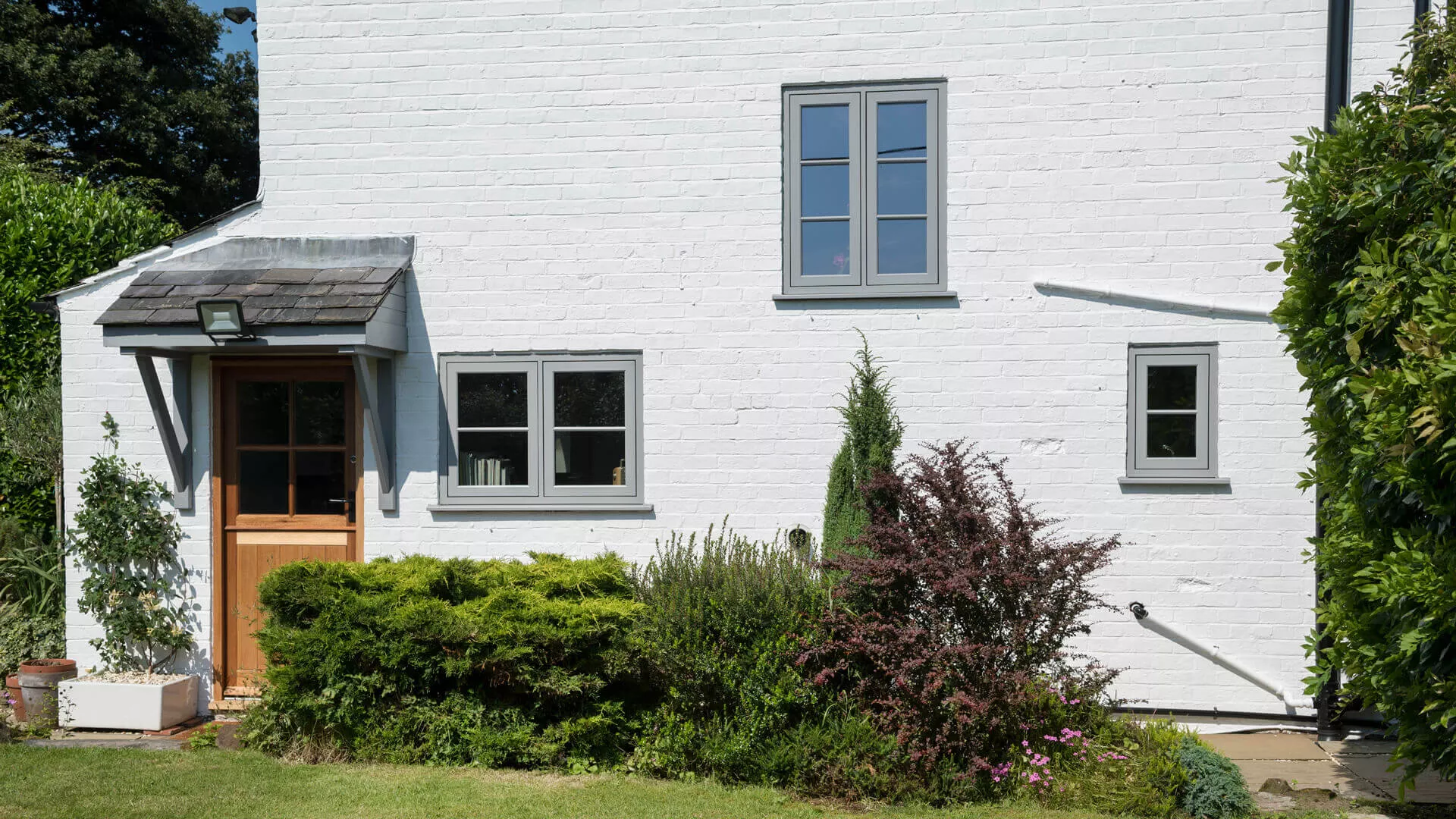
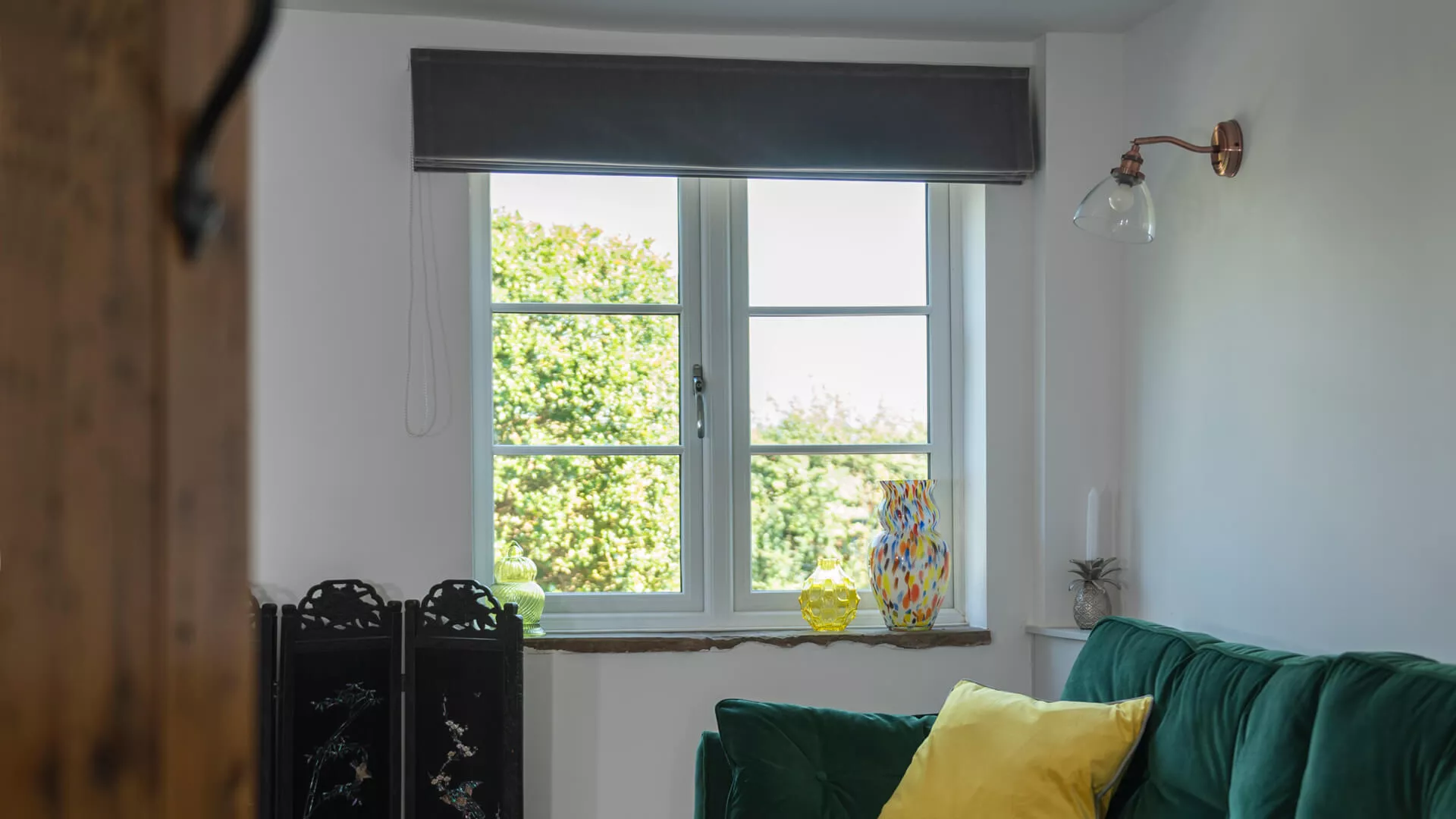
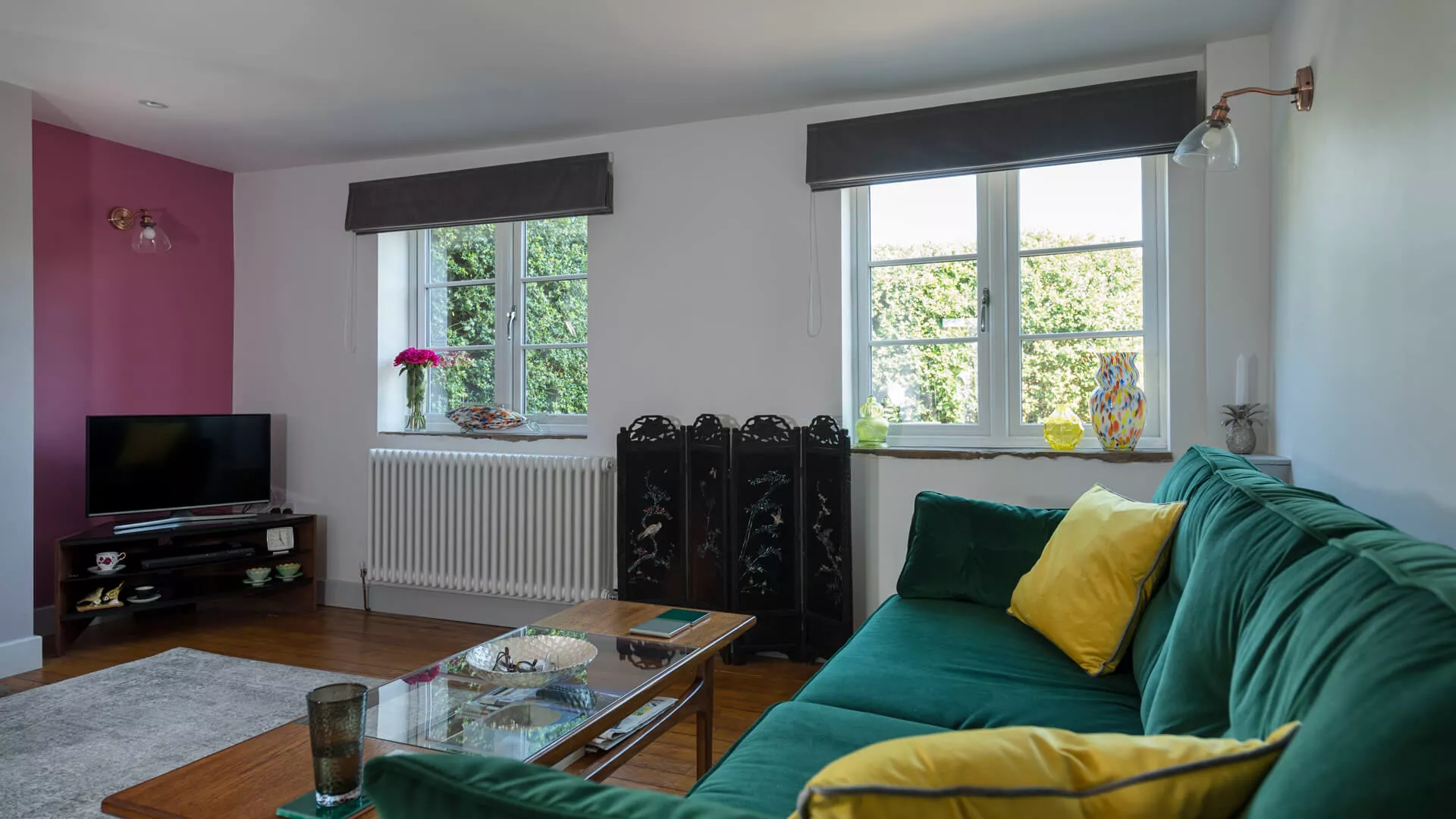
Windows are categorised as flush when they sit flat against a wall, which produces an attractive look. Flush casements and flush sash windows vary greatly from stormproof and lipped casement windows as their frames don’t project beyond the glass, making for a neat, contemporary effect. Explained in another way, a flush casement window sits flat within a frame and has no overlap, as is the case with flush sash and flush fit triple glazing windows. The flat-to-frame configuration has popular appeal and sparked a new wave of interest in flush frame windows.
Flush Casement Windows Discussed
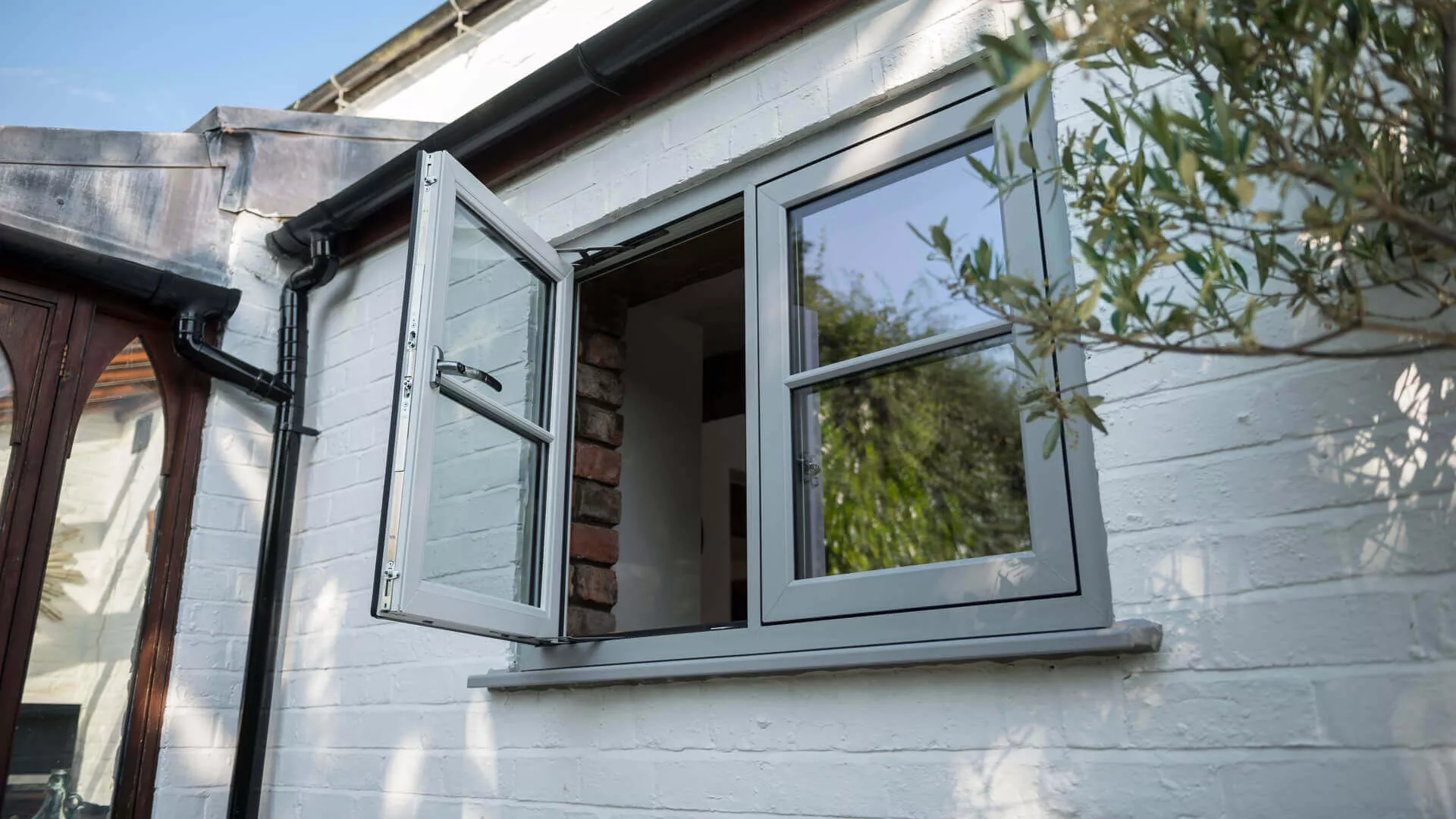
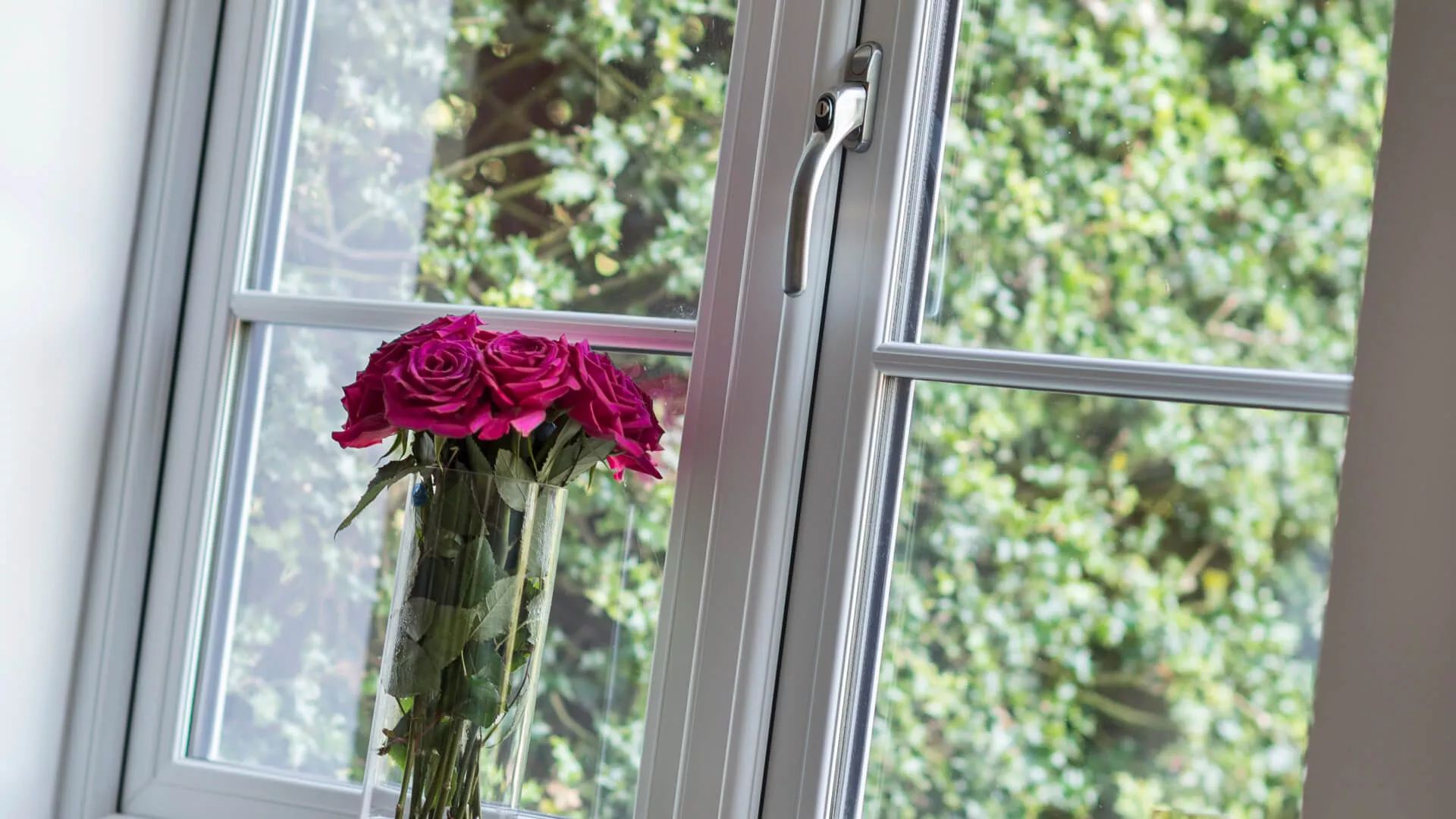
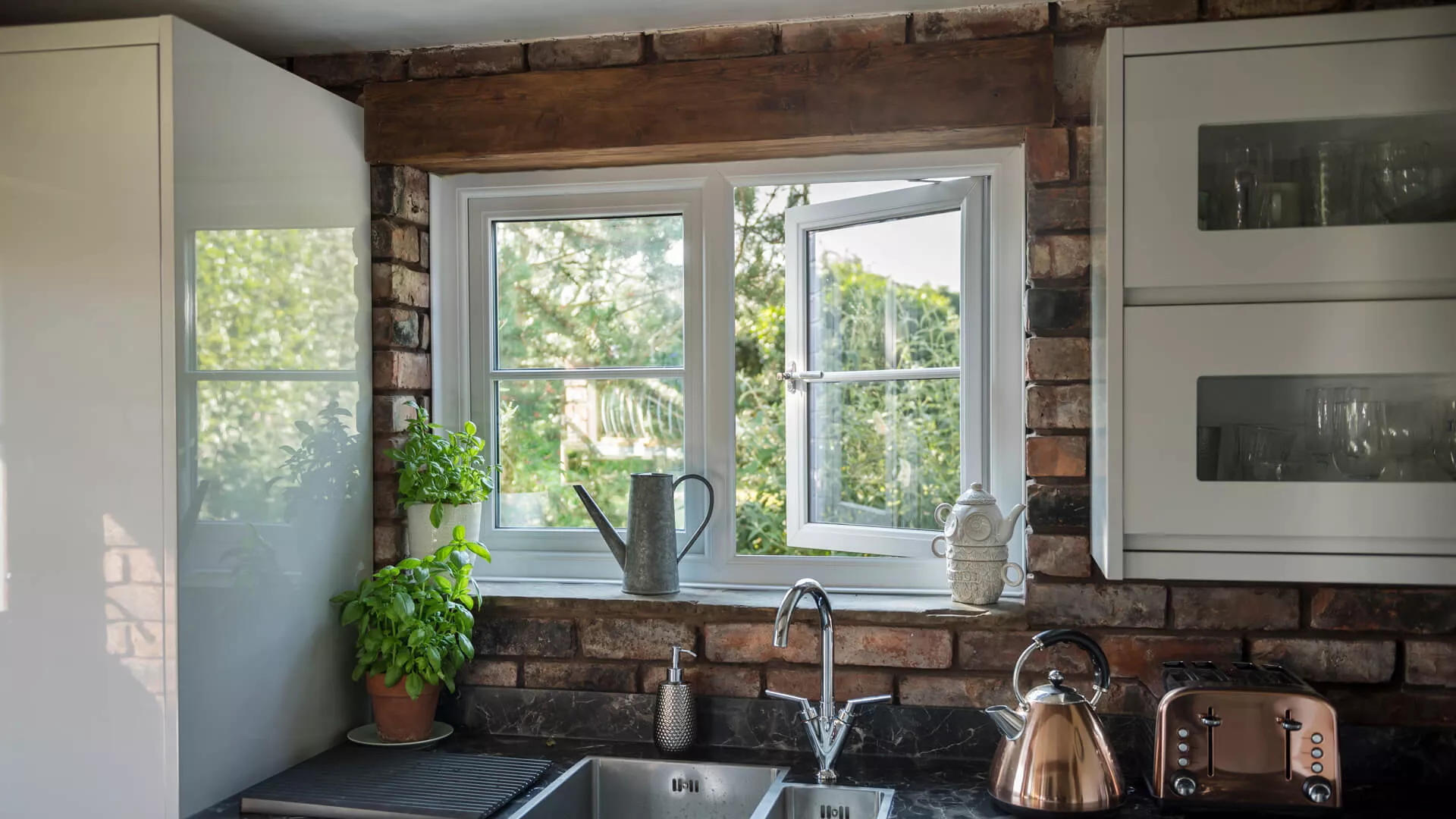
With a side-hinged design, flush casement windows have a sash that closes totally flush into the external frame, prompting the neatest of flat finishes. With no visible external lip, as is customary with standard casements, flush casement windows are undeniably sleeker and broaden visibility. Modern flush casement UPVC windows and flush-fit UPVC casements possess mechanical jointing of sashes, deep bottom rails, and a standard co-extruded gasket weather seal, heralding strength, thermal efficiency and effortless operation.
Flush Sash Windows Discussed
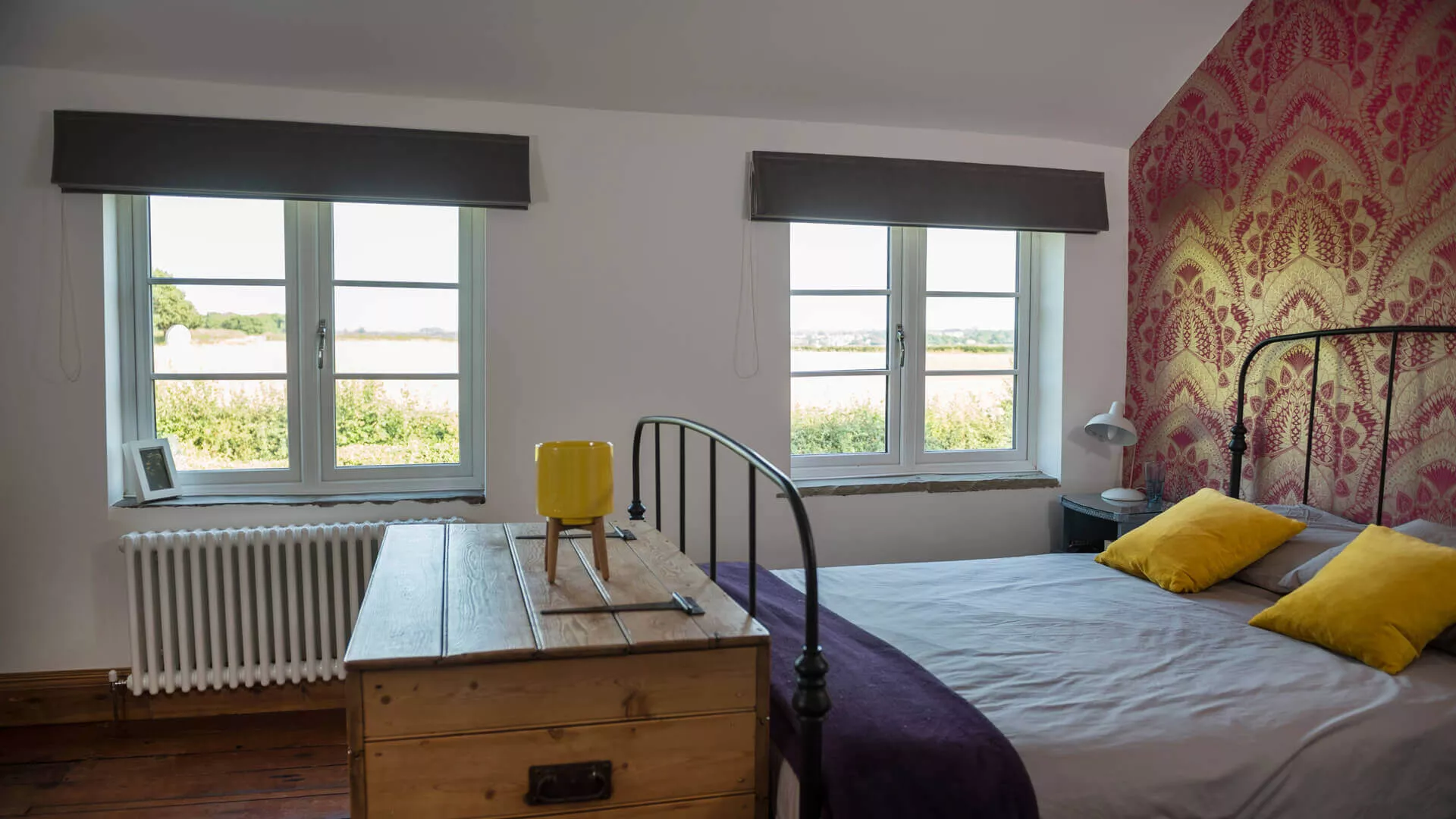
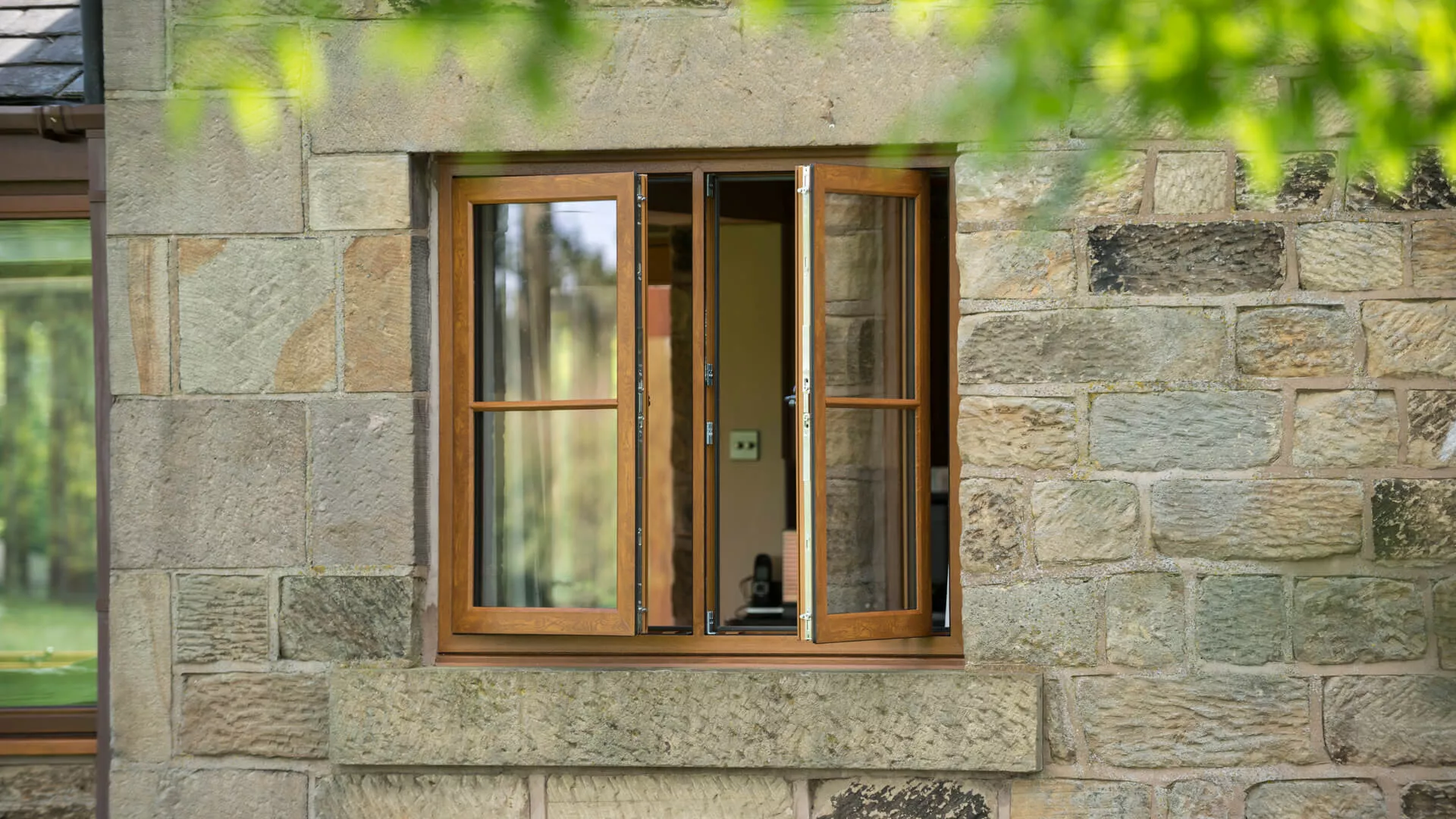
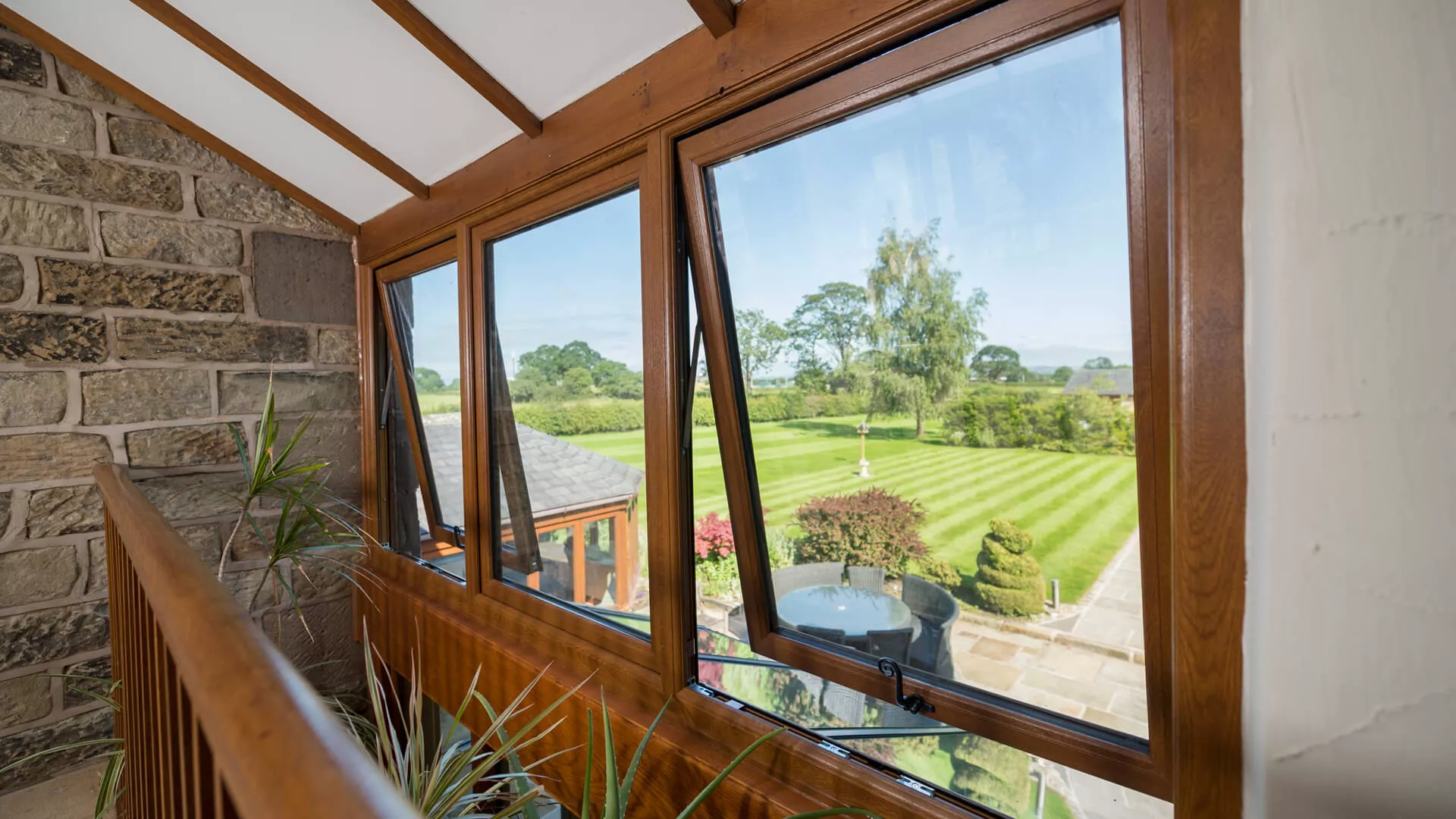
All flush sash windows feature sashes that sit exactly flush in their framework (no overlap), offering an elegant, even profile. The smartness of flush sash casements, UPVC flush sash windows and flush sash aluminium windows make them compatible with traditional and modern properties. If you want energy efficient windows with intelligent design features and a mix of heritage character and contemporary performance, flush sash windows are just the ticket.
Flush Windows vs Non-Flush Windows
It’s how each window sits in the frame that most differentiates the two solutions.
Non-flush windows, appropriate to storm casement windows, or how they’re alternatively called – lipped casement windows – have openable parts that project outwardly from their frames. Having a sash that sits proud of the frame results in a visible lip overlapping the external edge, pivotal to weather resistance.
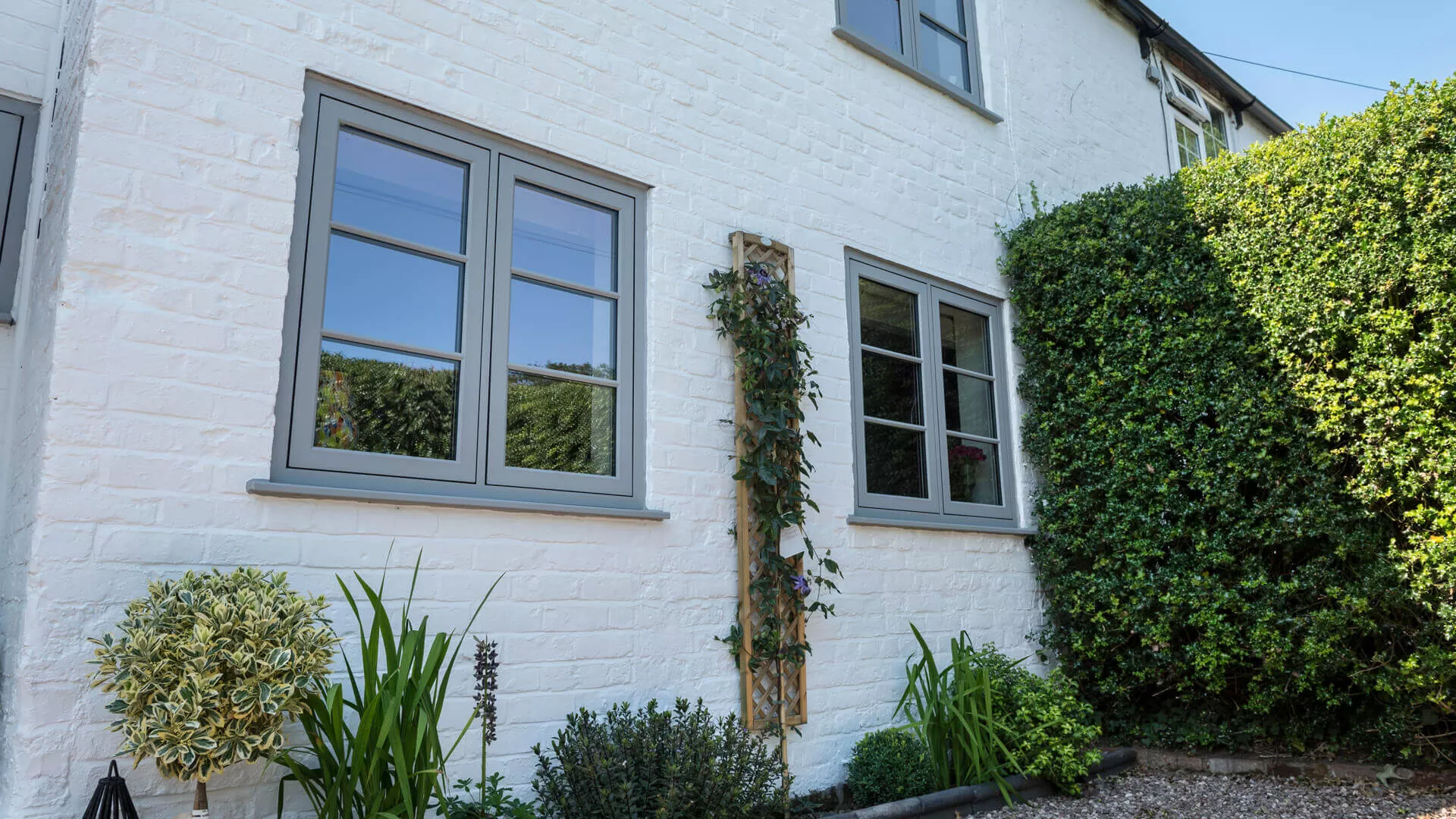
A flush window differs as it sits exactly level with its frame, creating a smooth, flat finish with no overlap. Admittedly, non-flush UPVC casement windows and separate non-flush styles are offered in a wider variety of designs than energy-efficient flush windows, but a flush window’s foremost selling point is its streamlined, immaculate look.
There’s little between them in terms of performance, as non-flush windows and modern flush windows both provide superb energy efficiency. Aesthetics is the primary disparity: stormproof windows suit the traditionalist and anyone seeking functionality, while flush windows cater for current-day residences and heritage abodes with their pristine finishes.
Salient Design and Appearance Differences
The sash of a flush window, including that of flush casement windows, sits completely flush inside the frame when closed, leaving no sort of overlap. Stormproof (or lipped) designs, like storm casement windows, have a lip and openable sections that project outwards – therefore, their sash sits proud.
Standard UPVC casement windows have an external overlap of sash over frame, fundamentally so for weatherproofing, which gives them a noticeably chunkier and more traditional aesthetic. Absence of an overlap in flush designs is realised with manufacturing strategies such as Smoothweld joints, opening the way for neat lines and suave finishes.
Which Style Befits Your Home?
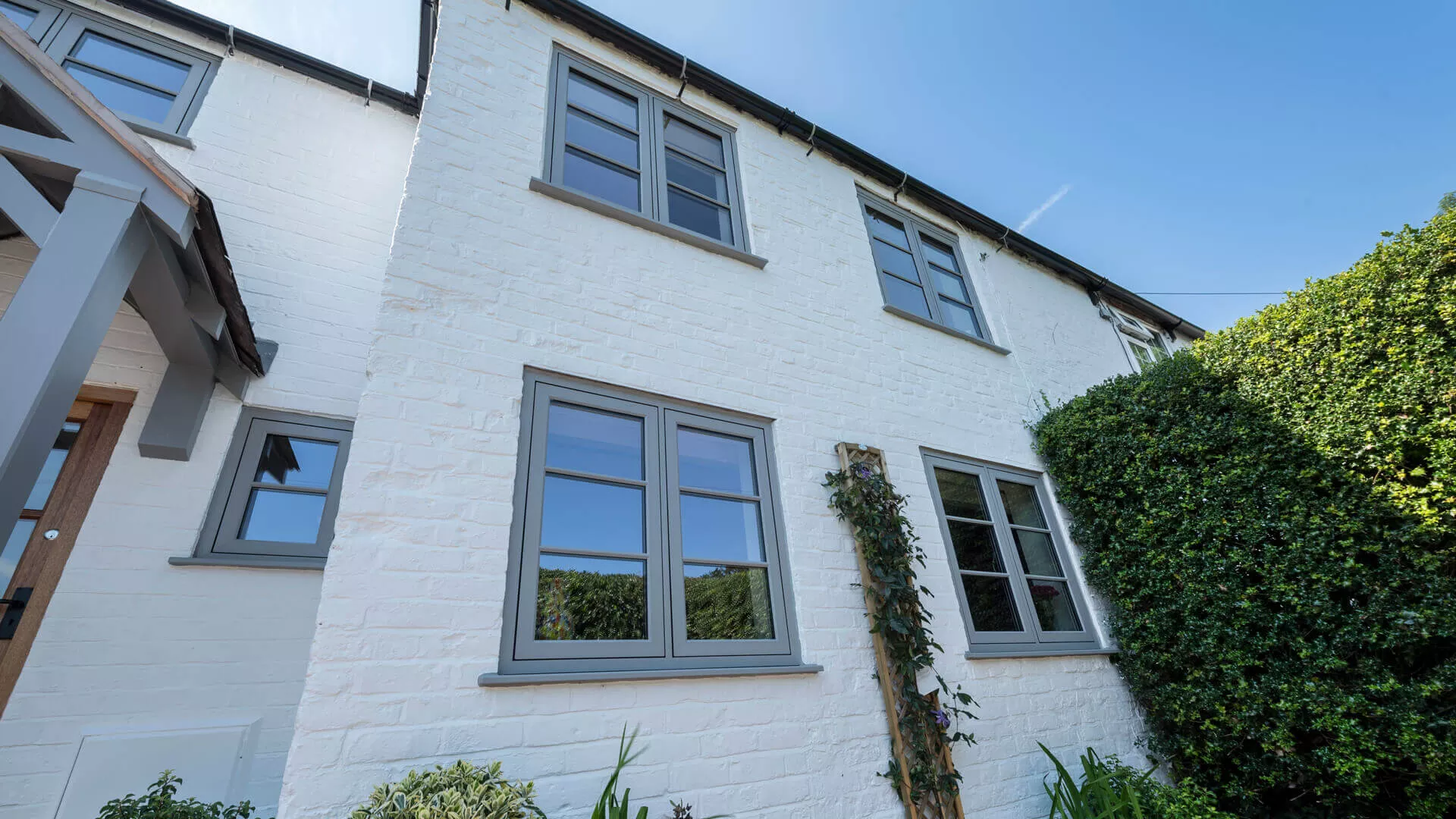
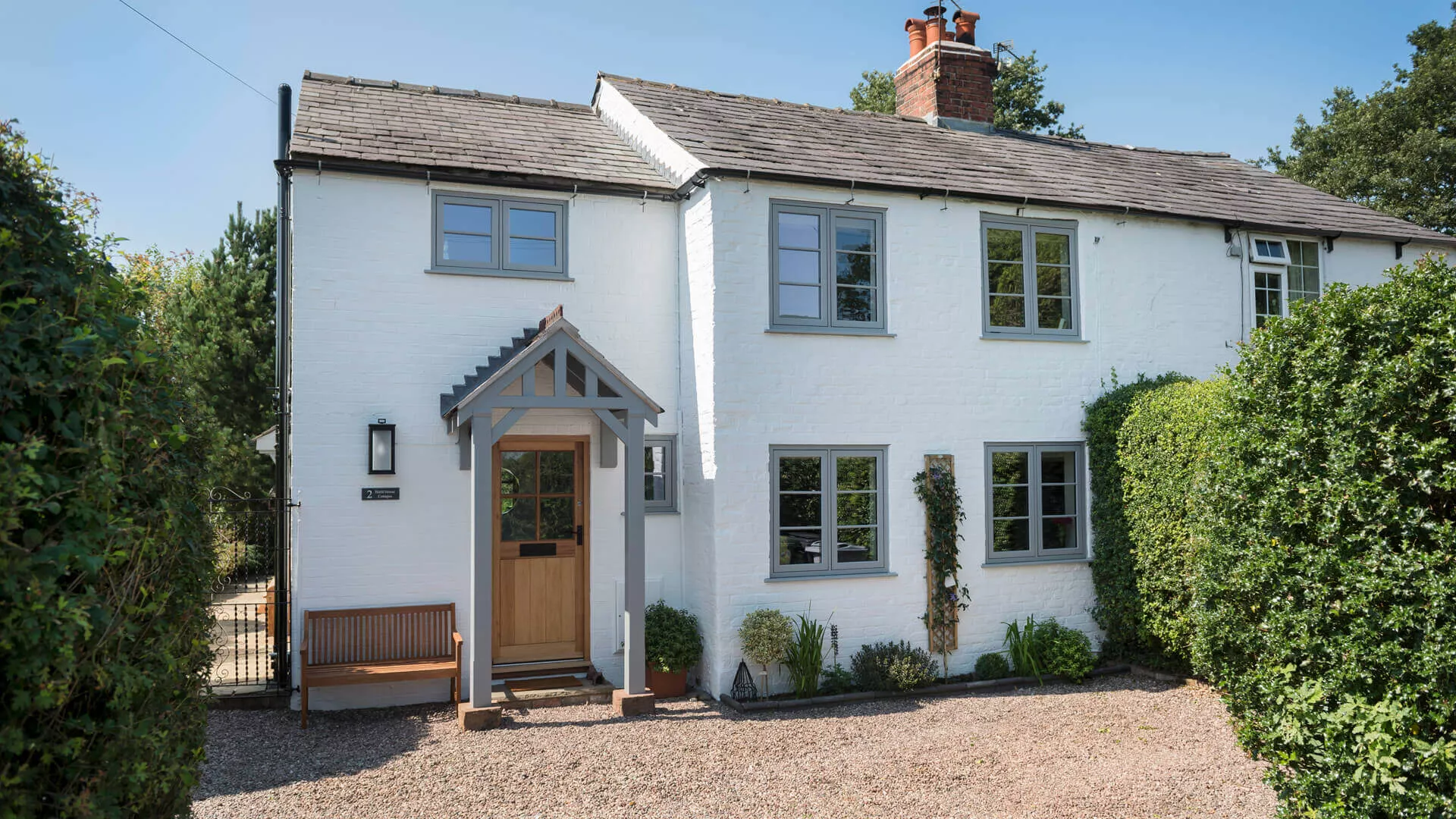
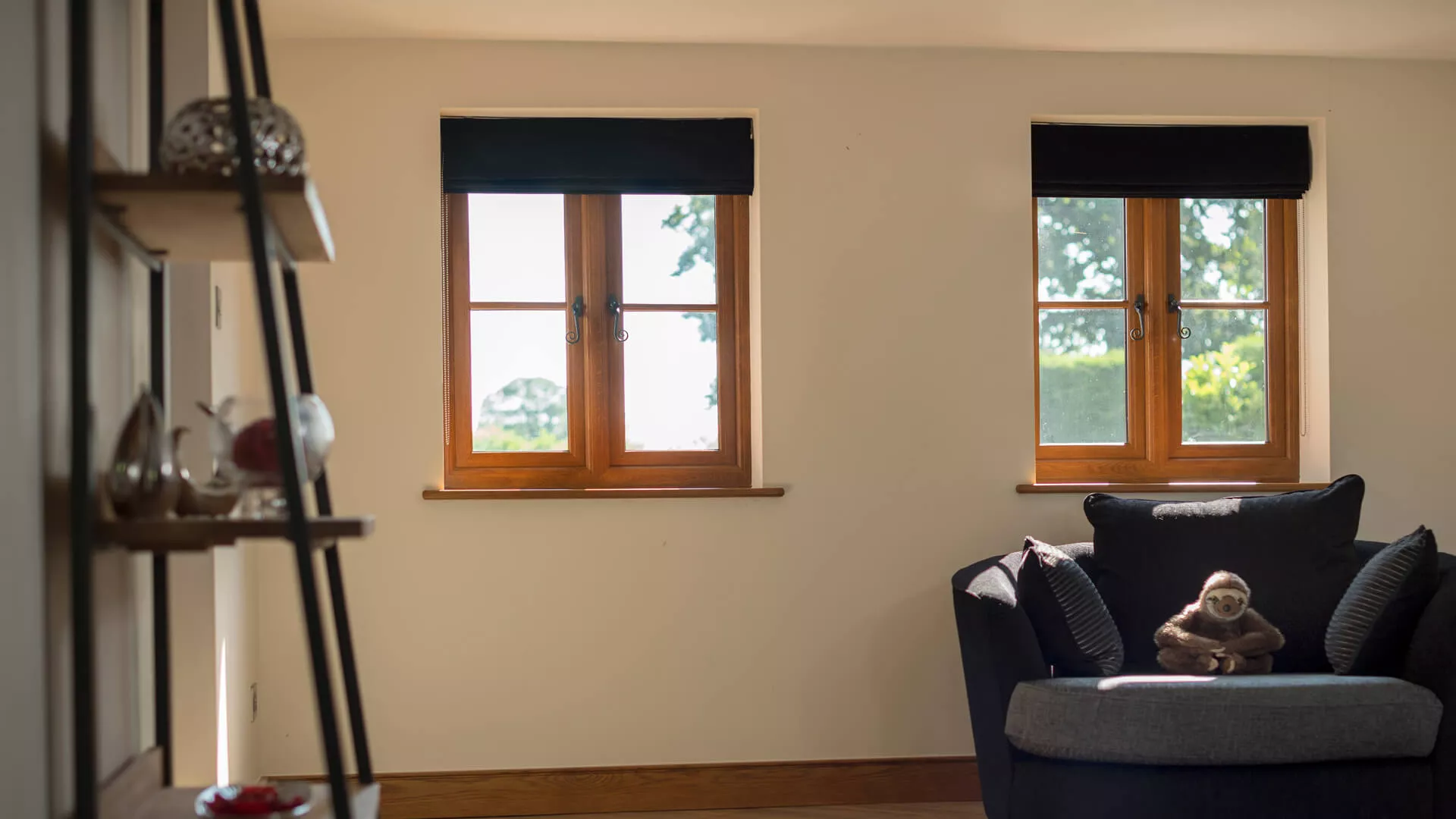
Occupiers of period homes, traditional residences, listed buildings and dwellings situated in conservation areas will find that flush windows are the types of windows for a home that perfectly compliment such properties, largely due to their likeness to classic timber windows. Flush sash windows effortlessly match listed and period houses, while flush casement windows generally suit heritage lodgings, listed buildings and conservation homes thanks to how they manage to preserve olde-worlde aesthetics.
Note that flush designs aren’t solely suited to traditional homes. Aluminium flush casements are readily selected for modern residences, often when a householder is keen to own windows that replicate period styling and exude a fashionable, smart finish.
For utmost flexibility in choice, non-flush styles come in a wider range of frame designs, finishes and hardware possibilities, ensuring every practical necessity can be fulfilled.
Thermal Capabilities and Energy Efficiency
Flush windows deliver impressive thermal performance, along with abundant style. The windows u value of a standard window configuration can be as low as 1.1 W/m²K, drastically limiting heat loss and yielding indoor cosiness whatever the time of year.
Double glazing comes as standard in most contemporary window systems, and they achieve an ‘A’ energy efficiency rating. In combination with tight seals and advanced frame construction, flush designs supply phenomenal insulation to varied property types.
You know with flush windows that you’ll profit from escalated heat insulation and cheaper energy bills. So, if you’re about to renovate a well-established house or new build, the energy performance of them should make them a strong contender to ignite comfort and spawn money savings.
Methods of amplifying the insulation offered by energy-efficient windows are outlined in our article about how to insulate windows.
Security Measures in Flush Windows
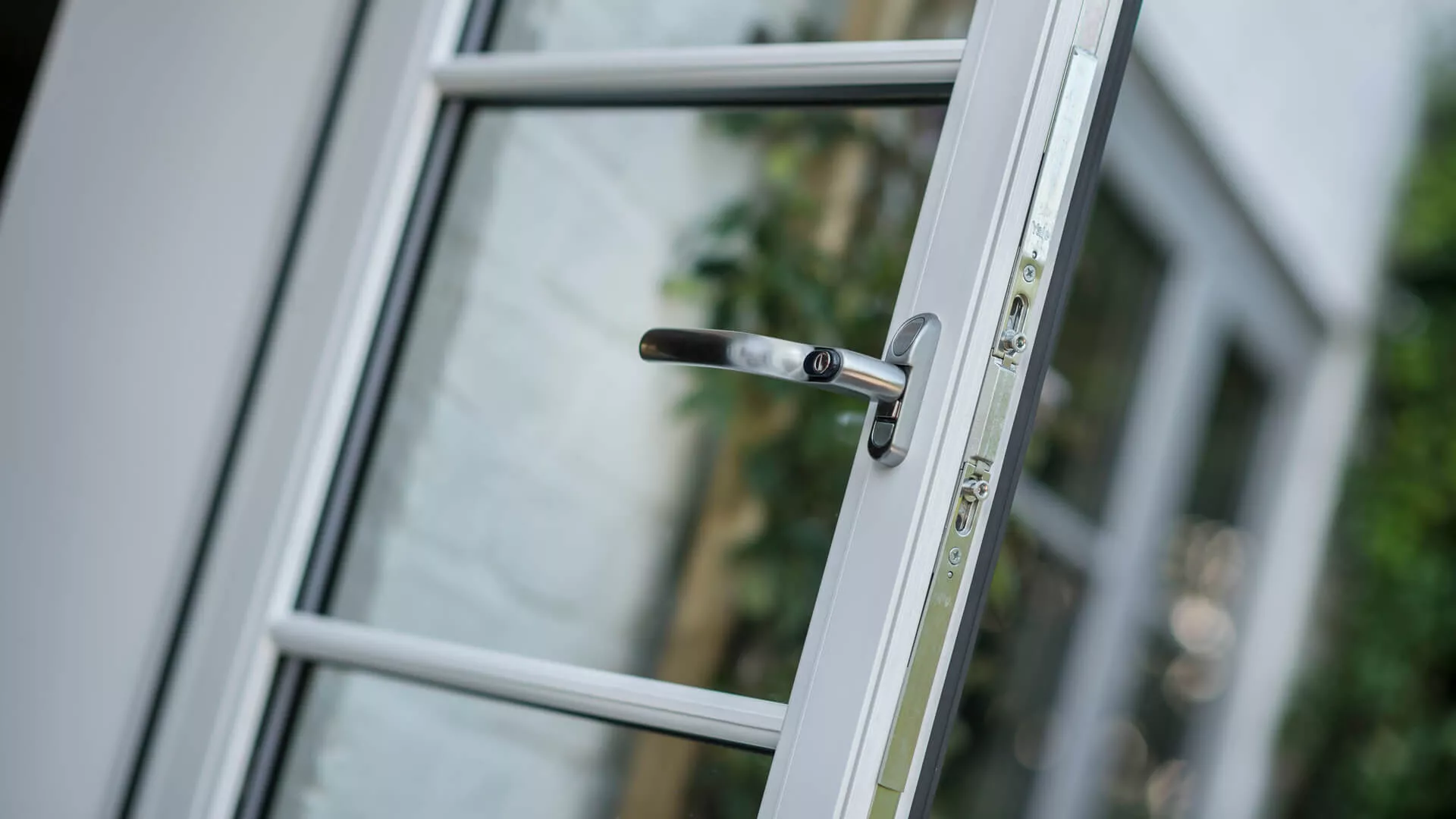
Your home should be your safe space, and modern flush designs will see that it is thanks to the wealth of security features within them. Multi-point locks are present in most, functioning by engaging the sash at multiple points around the frame to curtail the likelihood of a forced entry. We implore you to check that multi-point locking is accounted for as it’s integral to flush window security.
PAS 24 approved security requirements are normally met by the locking mechanisms, evidencing their ability to combat intrusion. Flush casement windows also incorporate high security locking for dependable protection.
Further secure precautions in flush windows include internal beaded glazing (this stops glass being removed from outside), hinge protectors and anti-lifting blocks. Moreover, they encompass key-locking handles, secure night vents and child safety restrictors for strengthened security.
Lasting Value and Ownership Cost
While you can’t dismiss the implications of the cost of flush windows, you’re encouraged to consider the long-term value of owning some (discover how long do windows last). UPVC flush sash windows prove far more cost-effective than timber windows due to their cheaper price tag and uncomplicated preservation.
Flush casement windows are affordable for what you get, with an exceptional price-to-performance ratio, uniting thermal efficiency and robustness. The raised insulation harvested by them will reduce heating bills whether installed at old or new homes.
Conclusion
To round-up this piece on flush windows vs non-flush windows, we’ll remind you that flush windows lie flat against a wall, with no outward protrusion, for a sophisticated, modern aesthetic. Acquisition of flush casement windows or flush sash windows will be an investment into clean, modest windows that unfailingly elevate period and contemporary homes.
Consider performance requirements, house style and budget when deliberating a choice between UPVC and aluminium flush windows.
Try not to be too consumed with aesthetics and reflect on security and performance with similar focus. Flush windows easily surpass contemporary thermal expectations and will lessen energy consumption, and most flush casement windows incorporate high security locking, alongside multi-point locking and child safety restrictors. Scrutinise security certifications and U-values ahead of purchasing window replacements and ensure planning requirements are observed if your home is listed or within a conservation area. It’ll do no harm to also be aware of standard window sizes prior to buying new designs via TWC Home Improvements.
Request your free quote today!
Simply fill in your details for your free, no obligation quotation, and click "Get Quote"
Want to speak with an Advisor? Give us a call on 01793 781413
Our friendly team will be pleased to help with any questions you may have.