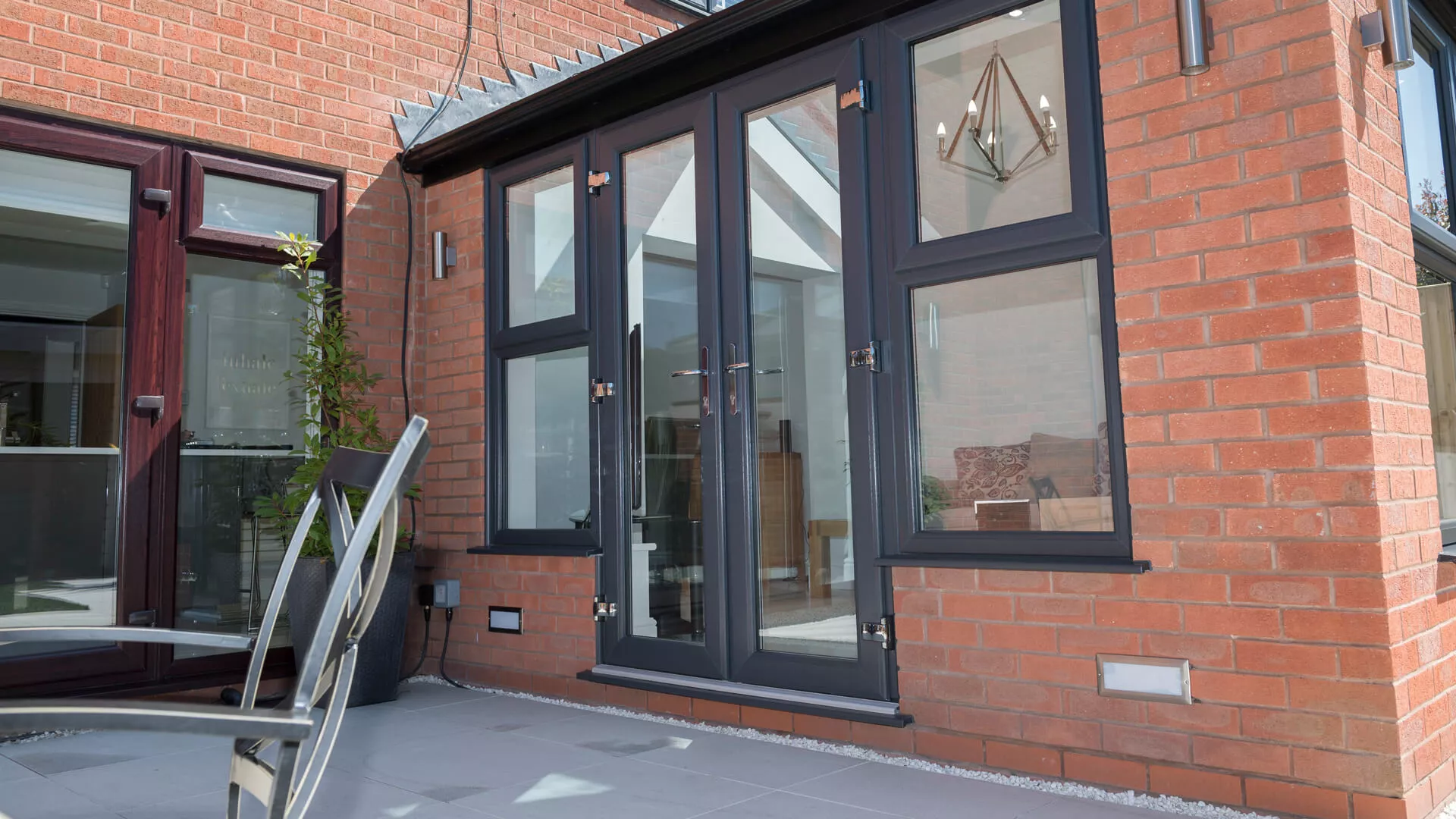
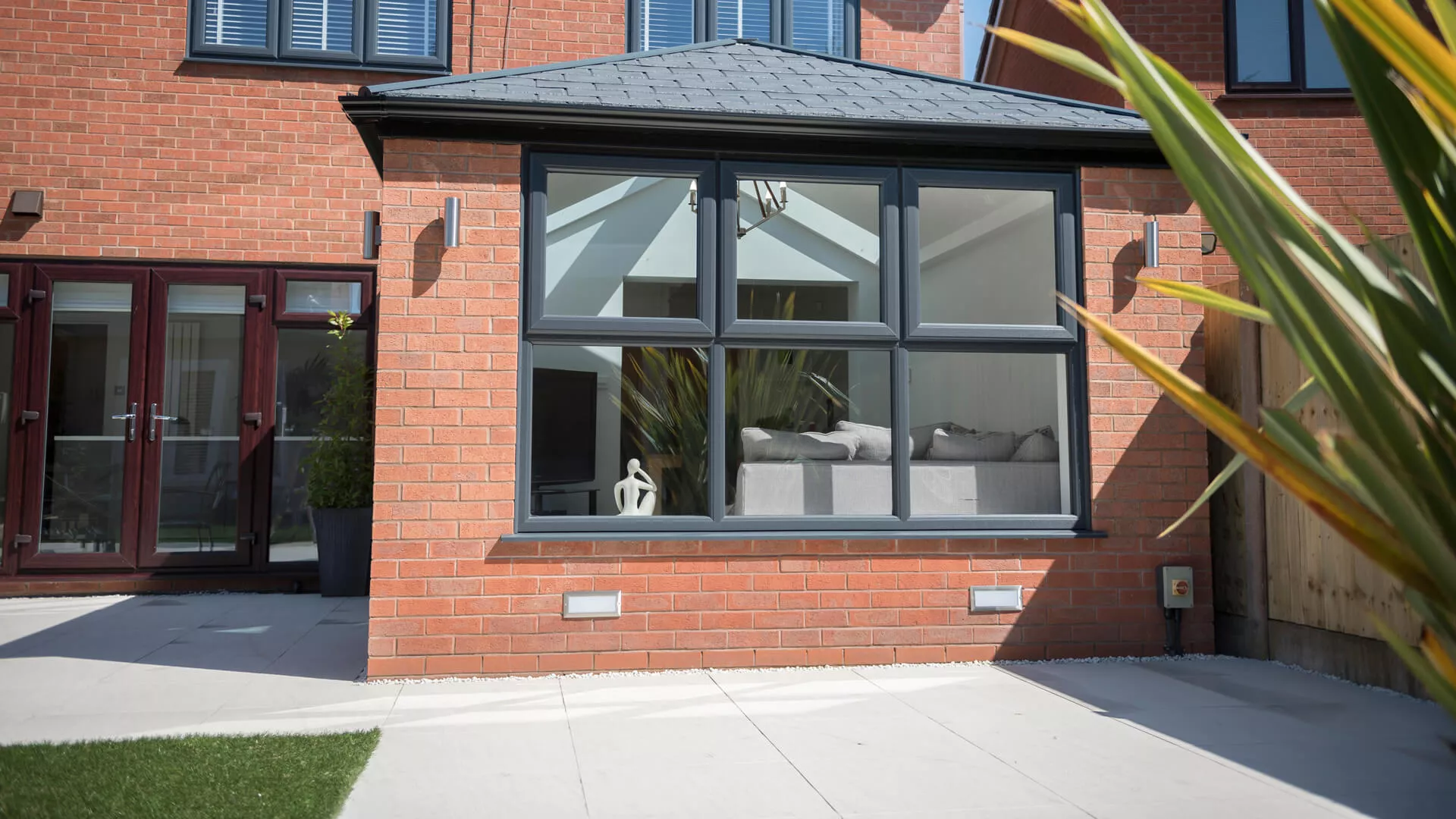
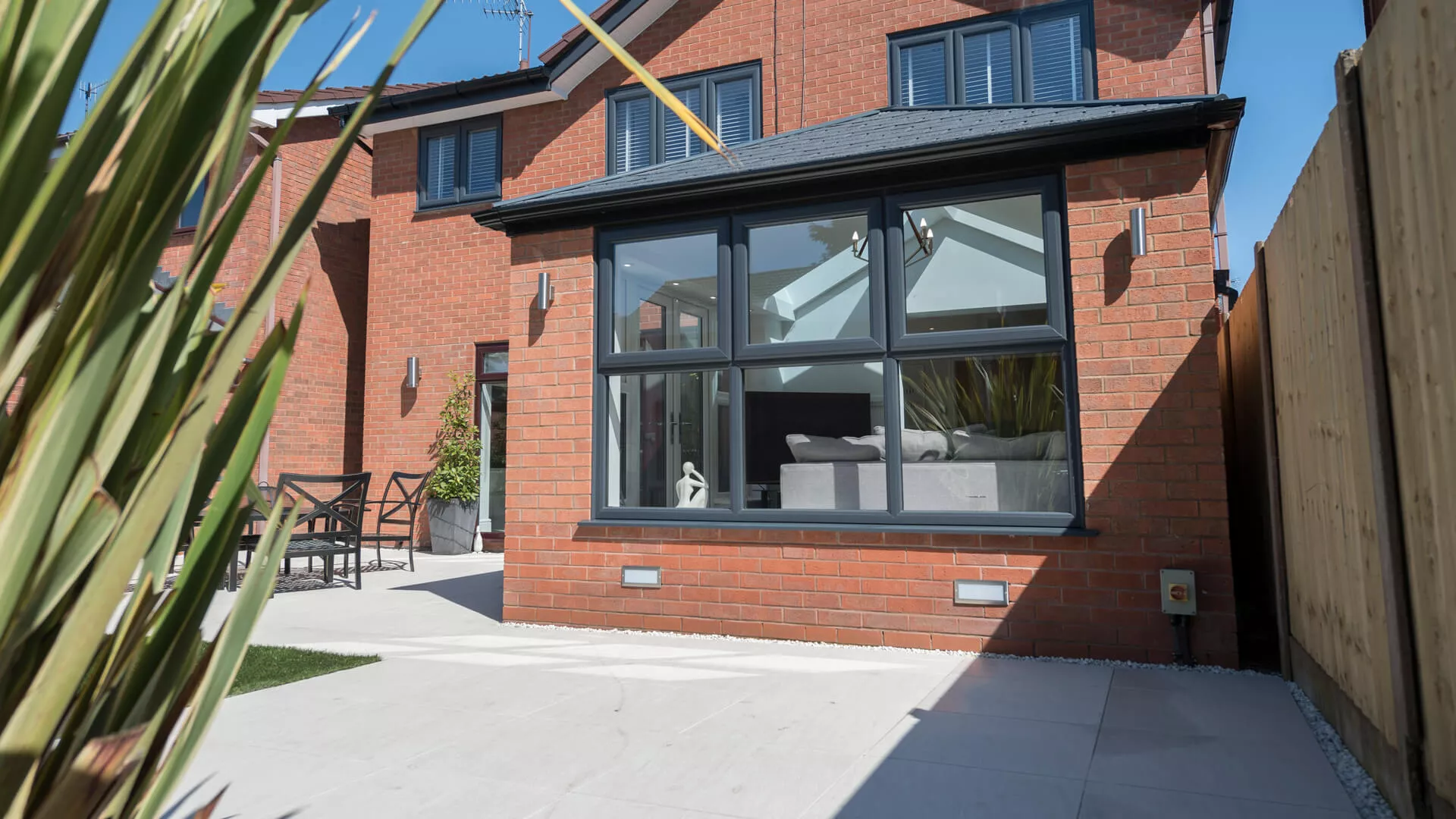
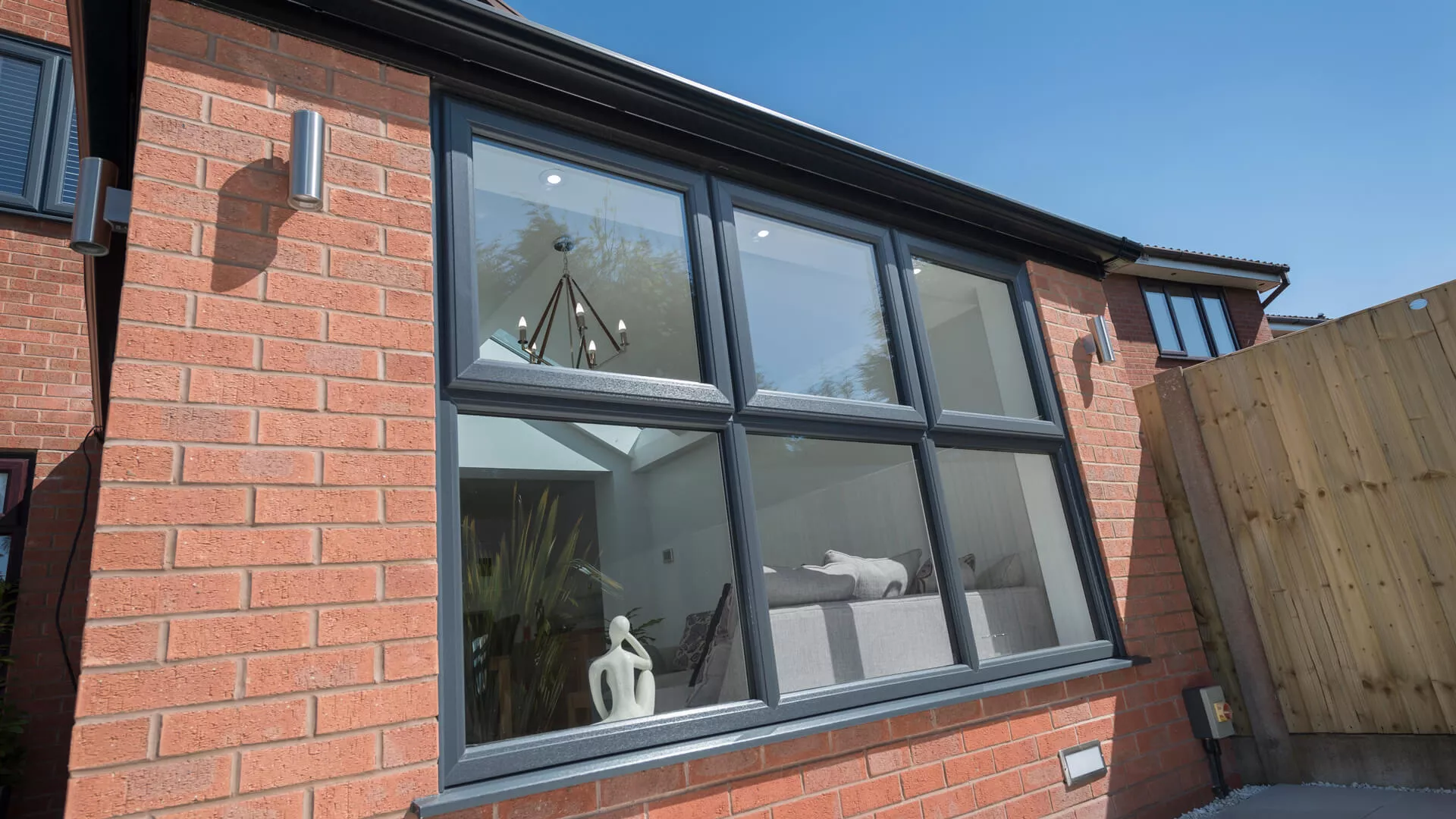
Request Your Free Replacement Roof Quote
Simply fill in your details for your free, no obligation quotation
Q1. What will a conservatory roof replacement cost?
The cost will be affected by things like the size of the conservatory, what type of roof system is selected e.g. solid or glass, and how much design work will be involved, rather than there being a set price. In most cases, small coverings are less costly than larger systems.
Q2: What conservatory roof replacements are there and how long do they endure for?
There are glass roofs, solid/tiled roofs and traditional polycarbonate roofs. On average, polycarbonate roofs last for 10-20 years, but well-installed and properly preserved glass and solid/tiled roofs can perform for 20-40 years.
Q3: Will a conservatory roof replacement require planning permission?
Permitted development rights apply to most replacement conservatory roofs, which means they don’t need planning permission. Exceptions to that are when a house has restrictions imposed on it or the roof replacement will signal a major alteration of original use.
Q4: How long do replacement conservatory roof installations take?
It’s not uncommon for some to be completed in a single day, but it normally takes about three days. The timescale may stretch to around a week if structural alterations are demanded or the weather interferes with the installation process.
Thermal and Comfort Red Flags
By all intents and purposes, your roof may look fine from a structural perspective, but if issues relating to performance come about, you really ought to get a solid conservatory roof replacement organised. Traditional conservatory roofs rarely offer the required amount of insulation and temperature control.
A conservatory without quality insulation allows a lot of heat to escape and it ends up costing you not just warmth, but also financially, as you will likely overuse your heating. Year-round use of a poorly insulating conservatory isn’t probable.
The Advantages of a Replacement Conservatory Roof
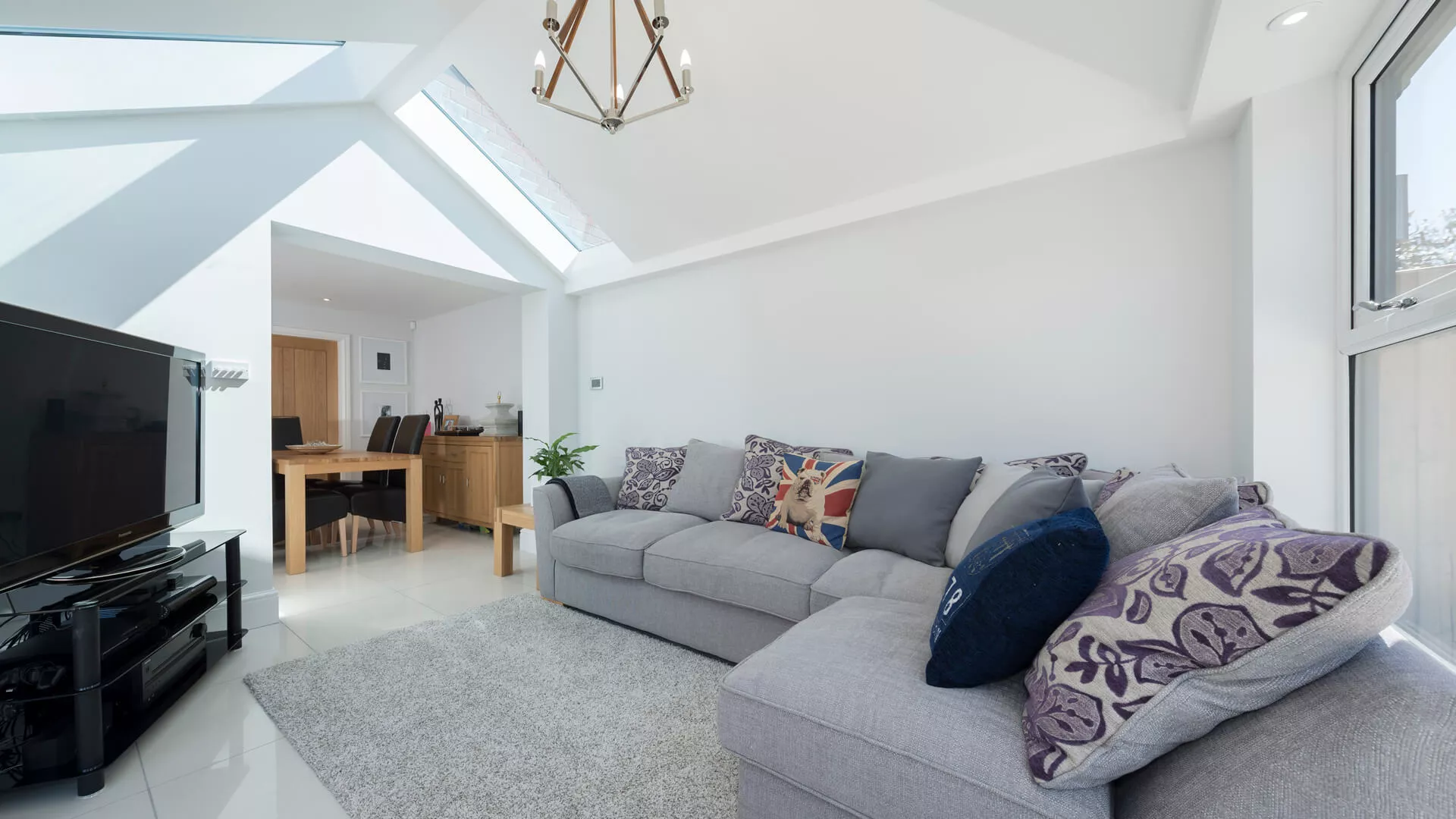
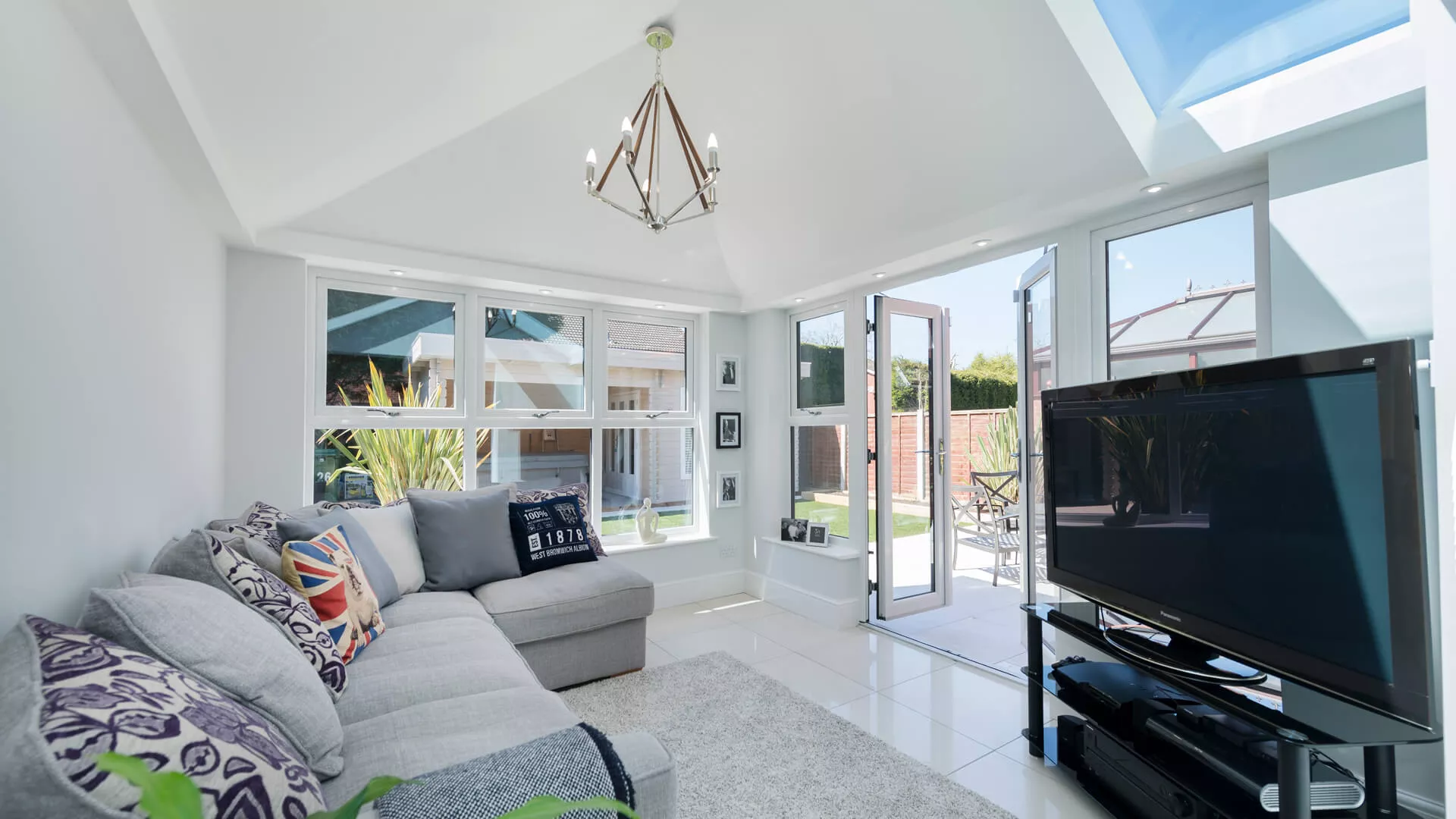
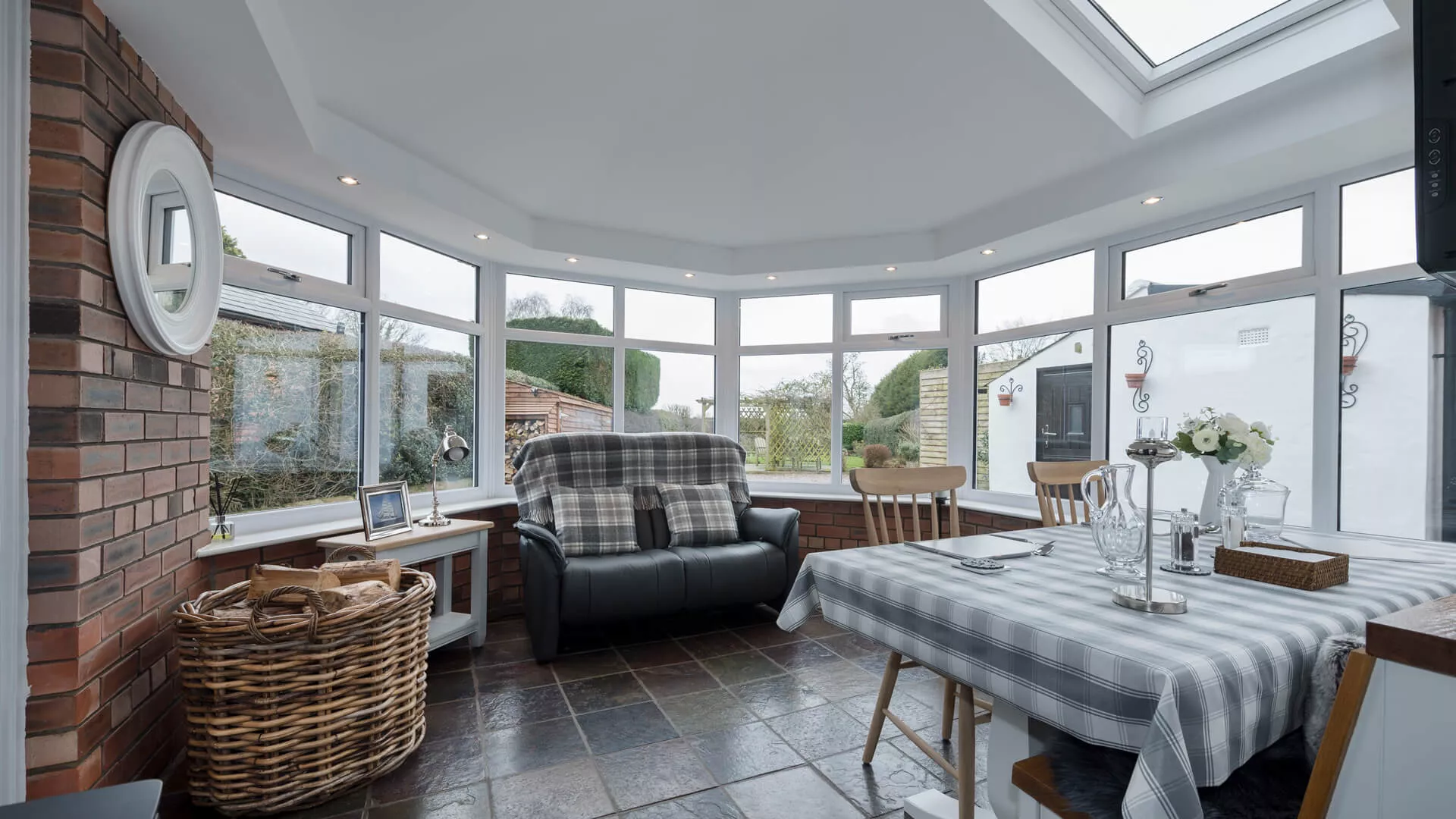
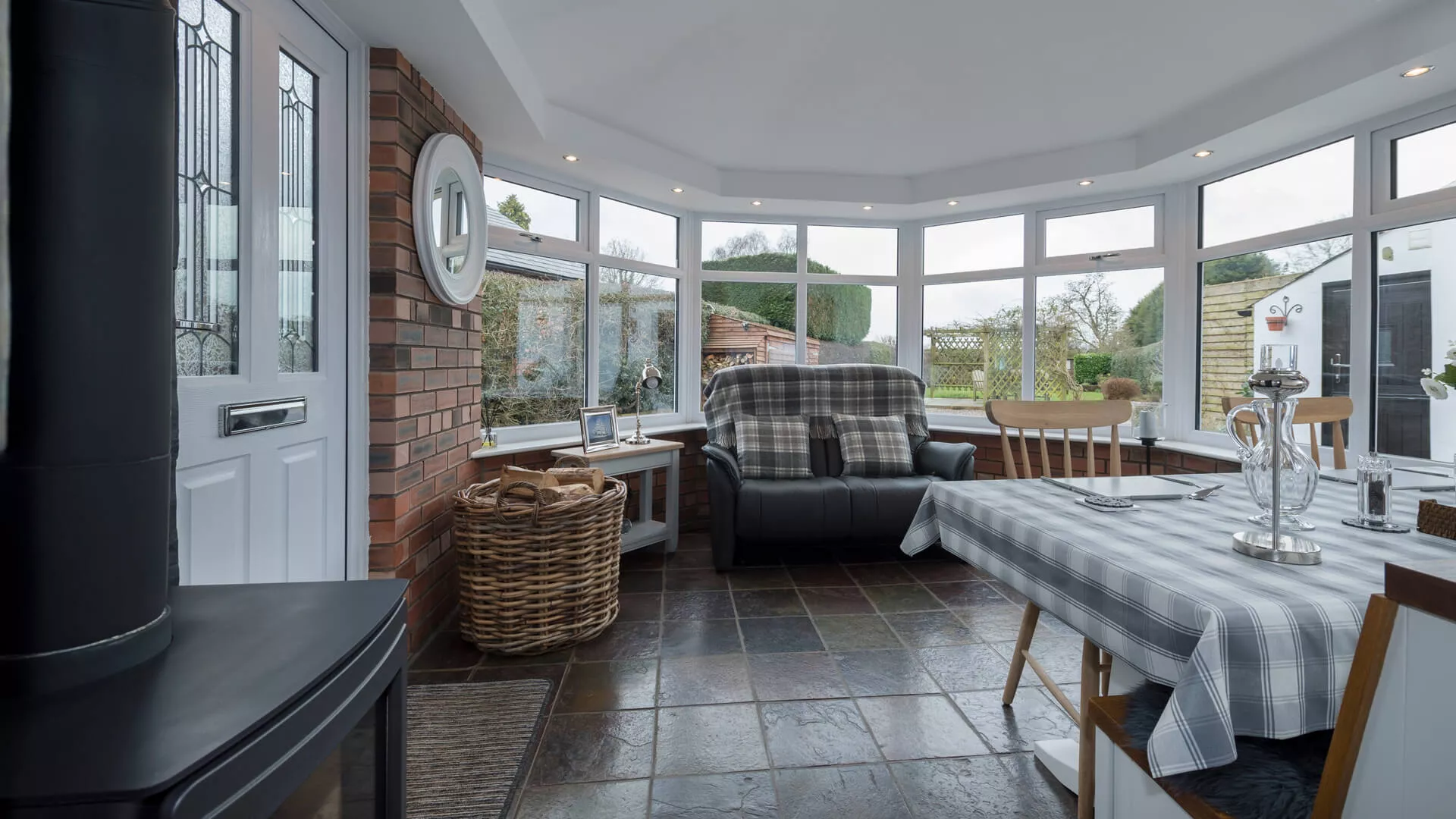
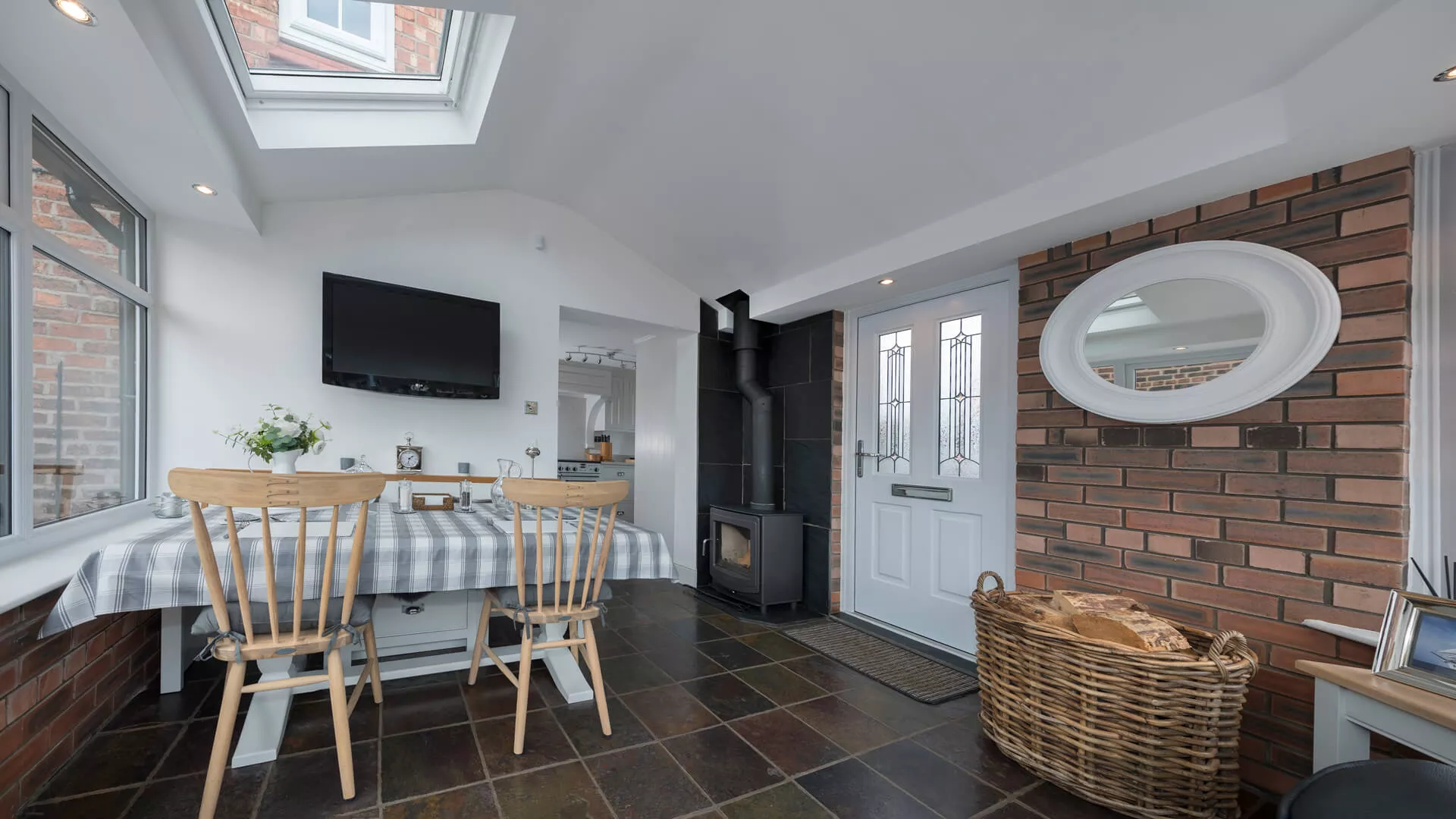
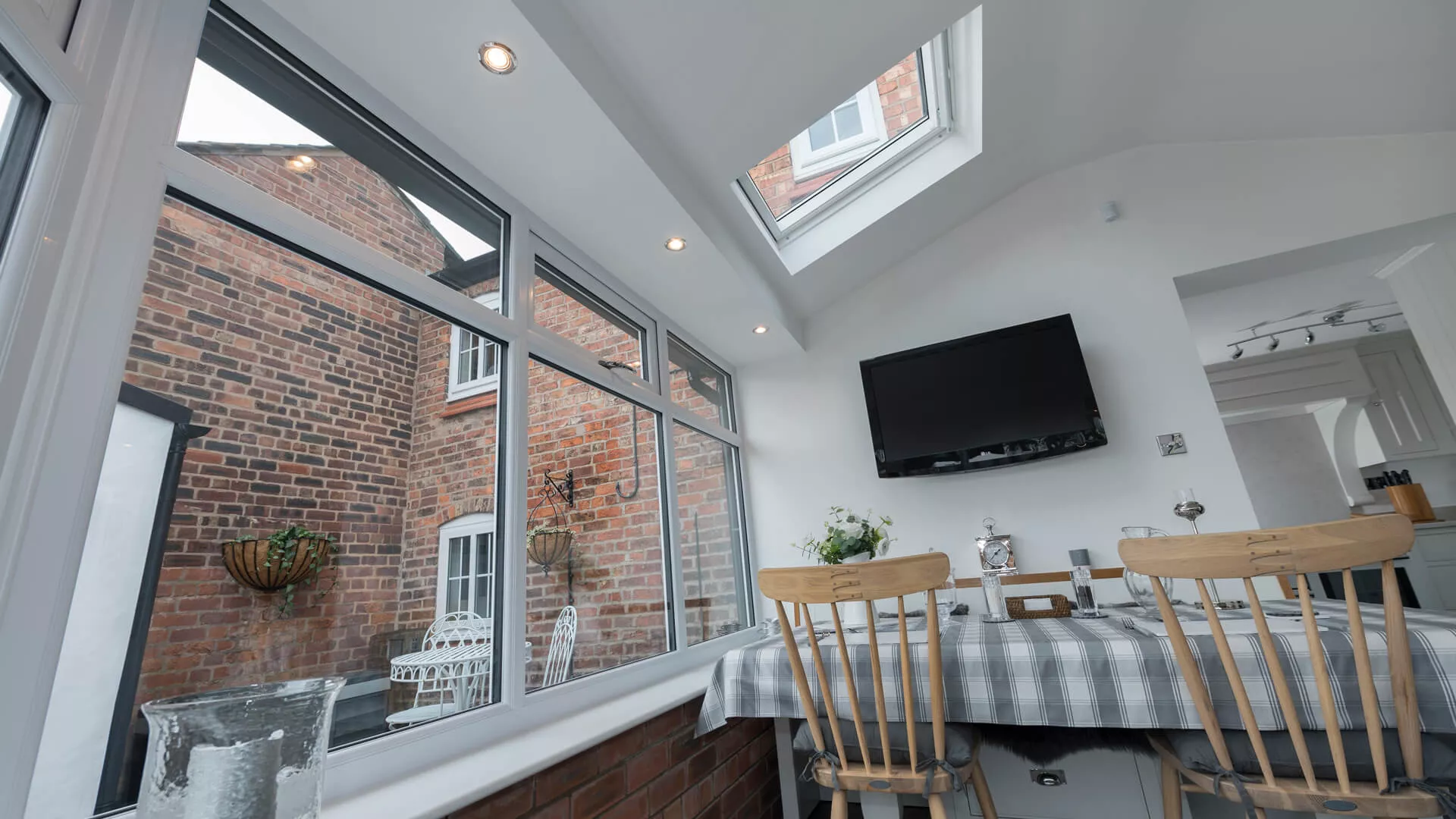
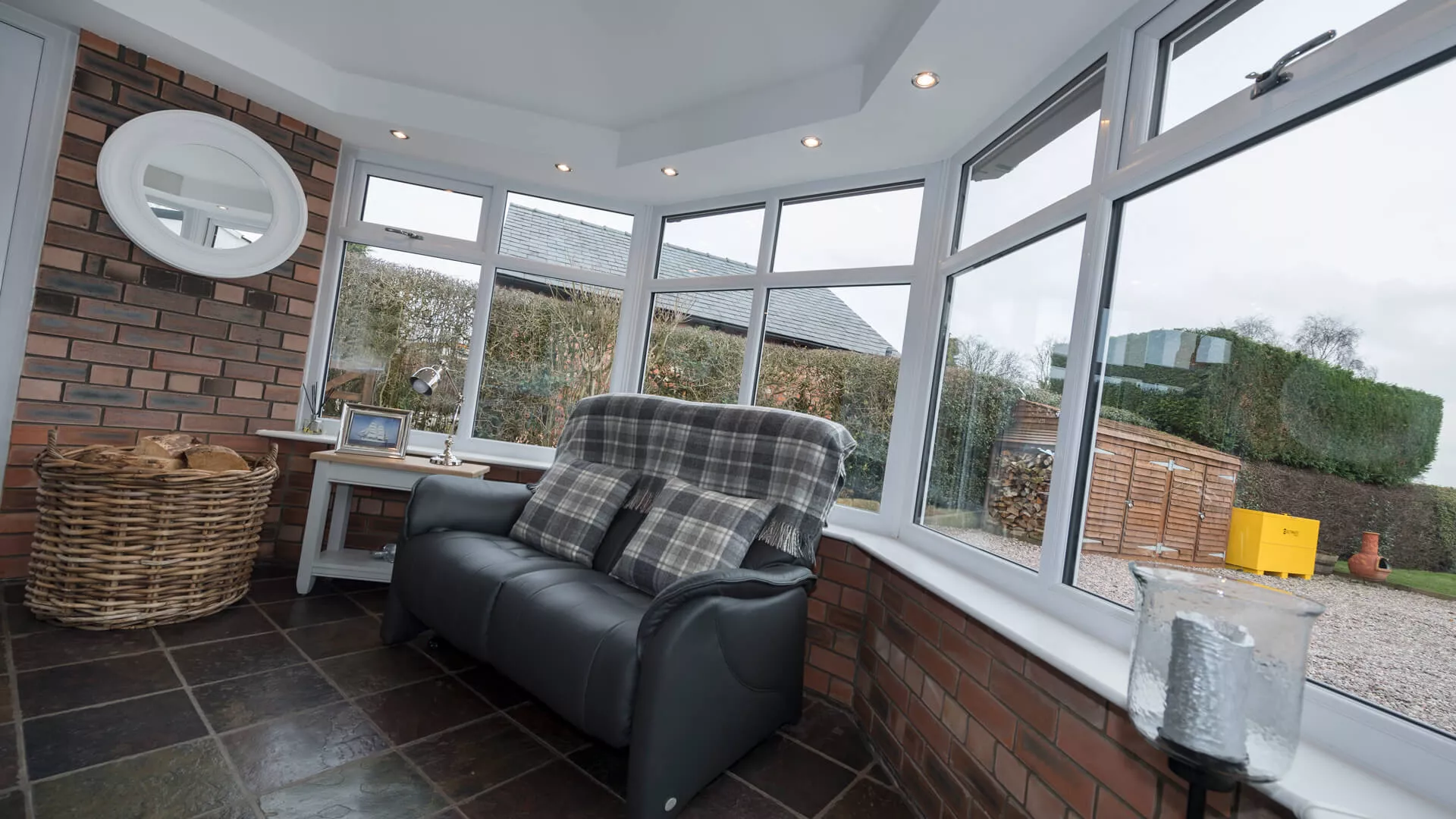
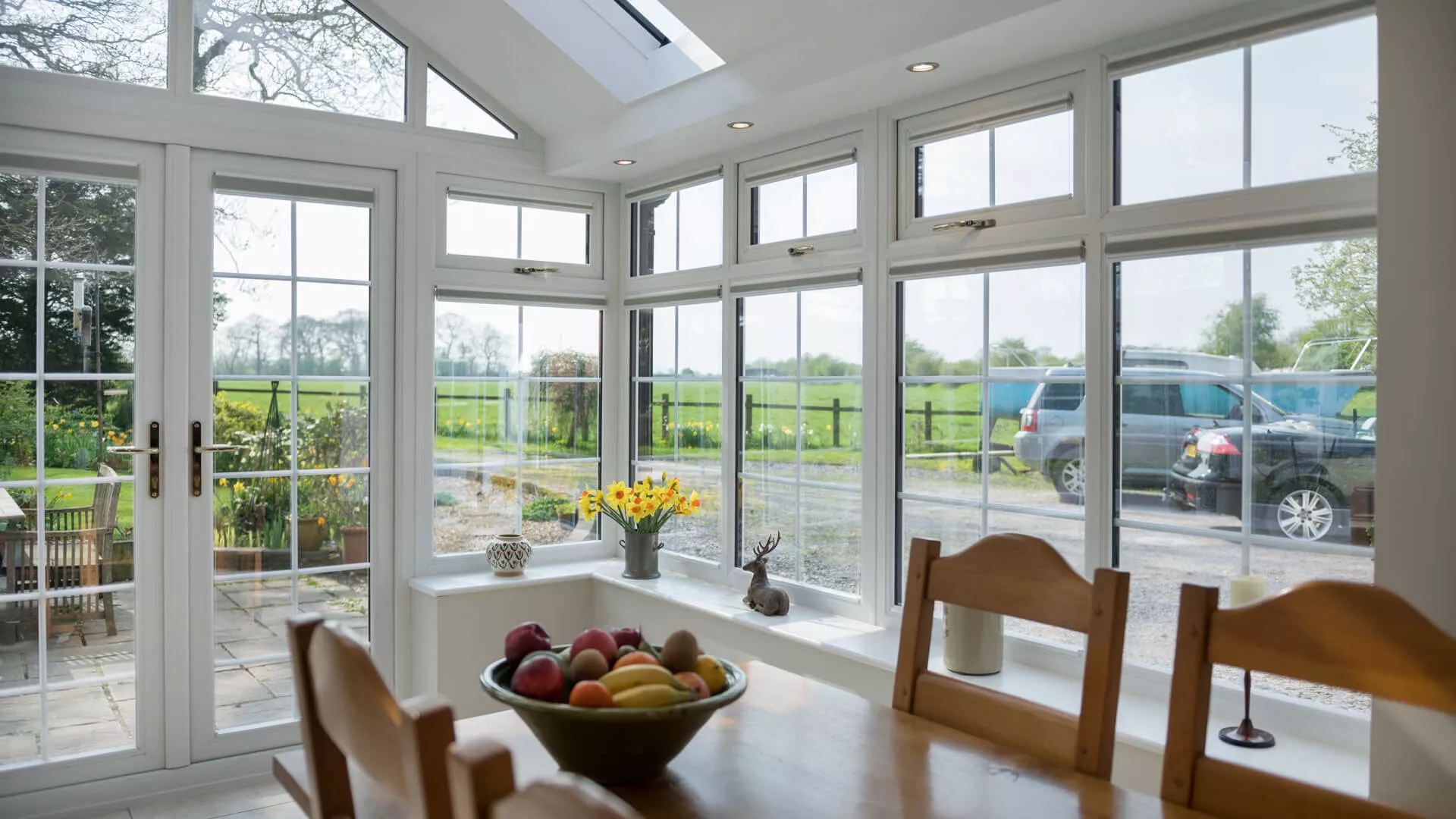
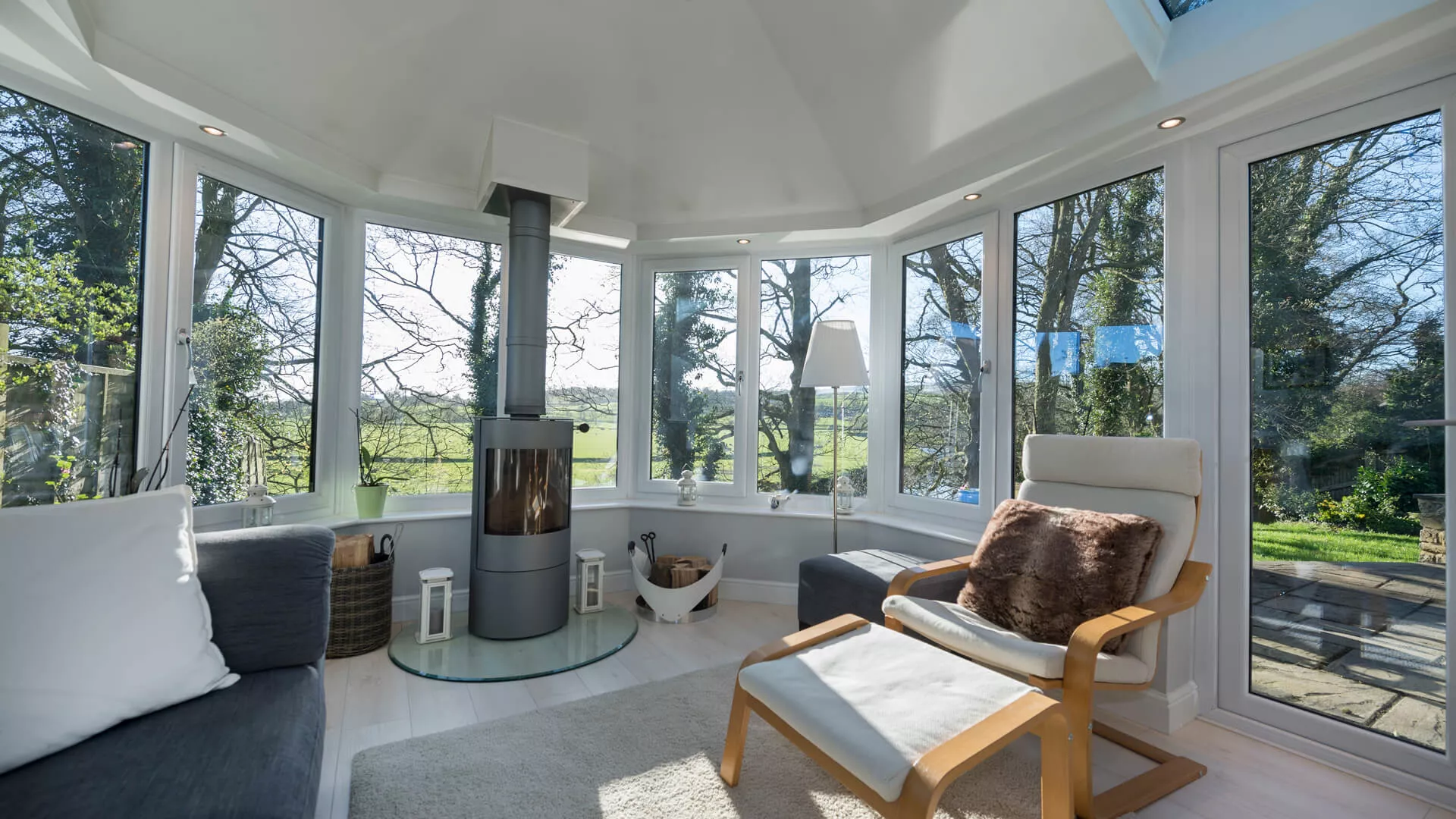
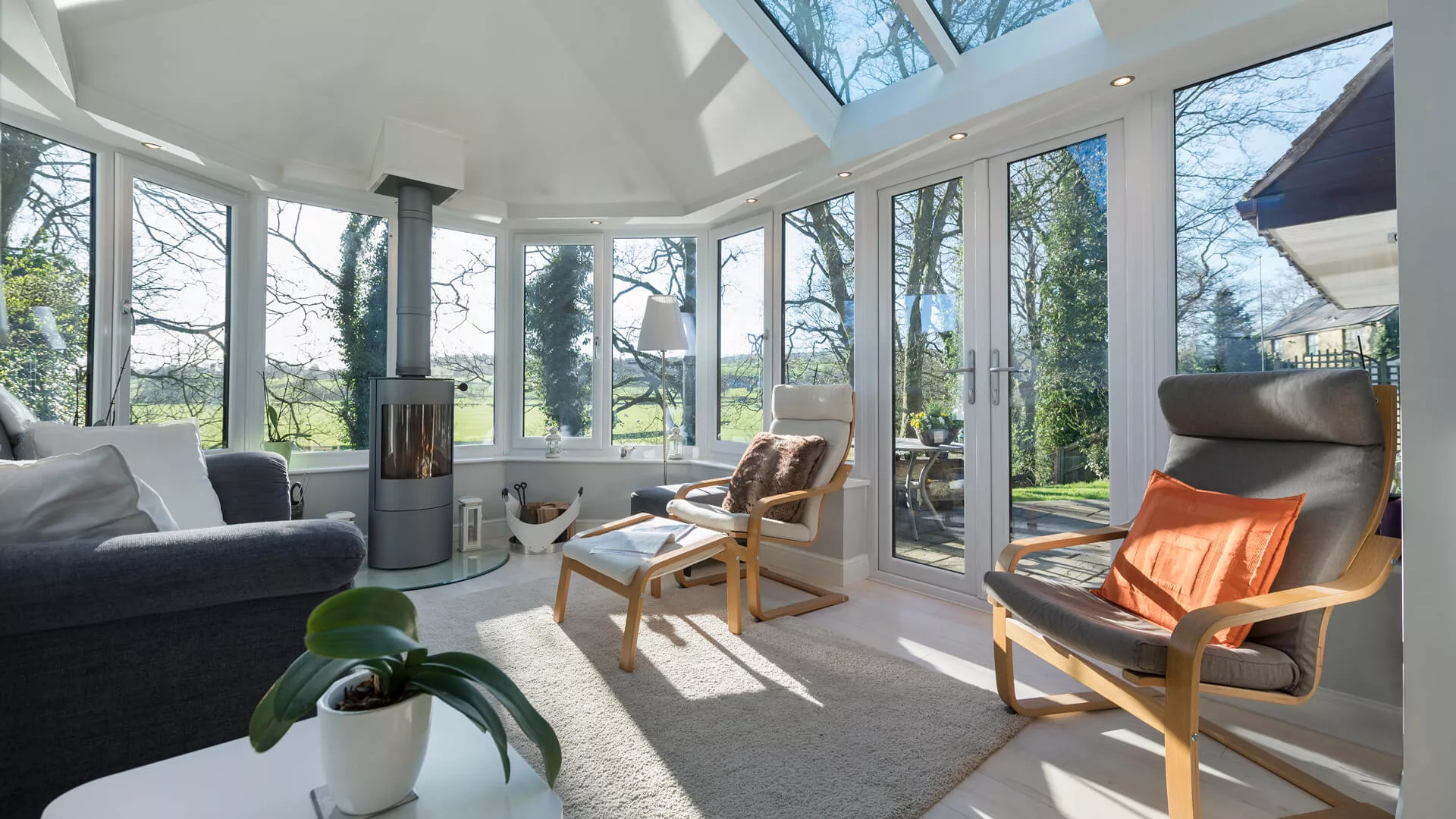
You’d have to say the biggest upside is how a new conservatory roof will revive thermal efficiency, enabling you to enjoy conservatory living every day of the year. Unlike older systems, modern roofing solutions usher the perfect indoor climate.
Tiled roofs reduce dependency on heating systems as they preserve warmth, helping to also cut the cost of your energy bills. If you know that your conservatory space is always cosy,, you’re going to want to utilise the space frequently.
Want a roof that will minimise noise from outside? There are roofing systems specifically designed to enhance acoustic performance so that heavy rain and external sounds don’t disturb you. How they’re configured will ensure that plenty of natural light still reaches the interior.
A switch from an old polycarbonate roof to a modern roof will also amplify your home’s look and value.
Types of Conservatory Roof and Materials
Conservatory selection will be based on cost, aesthetics and insulation. Modern roofing systems are so pioneering and there are different versions of them around.
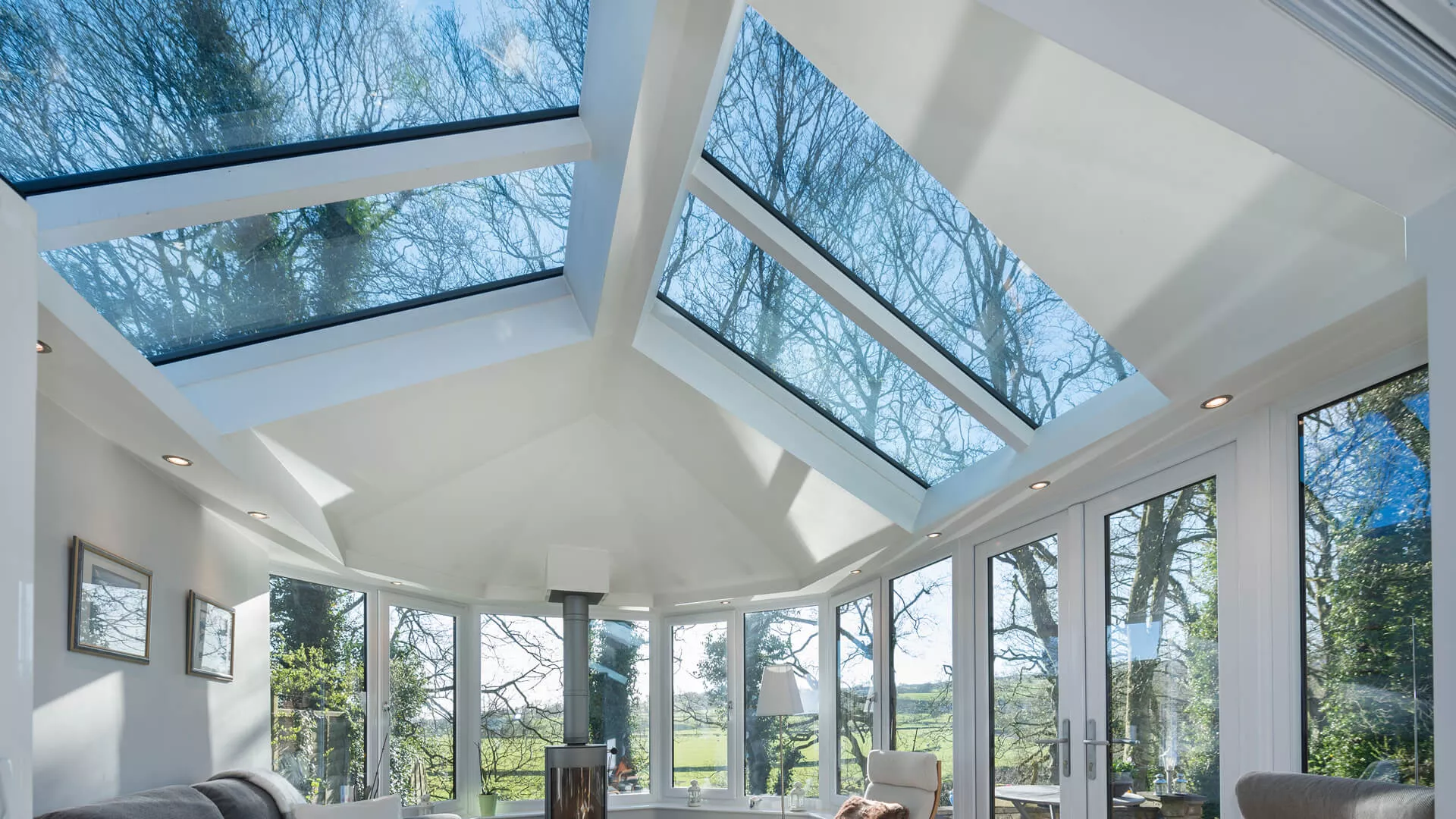
- Modern glass roofs. In a modern glass roof replacement, there’s normally advanced glazing so that they manage to realise the highest thermal standards and keep conservatories well-insulated. Some of these systems contain self-cleaning coatings, and low-emissivity glazed roofs often incorporate self-cleaning glass, which makes roof maintenance an easier job.
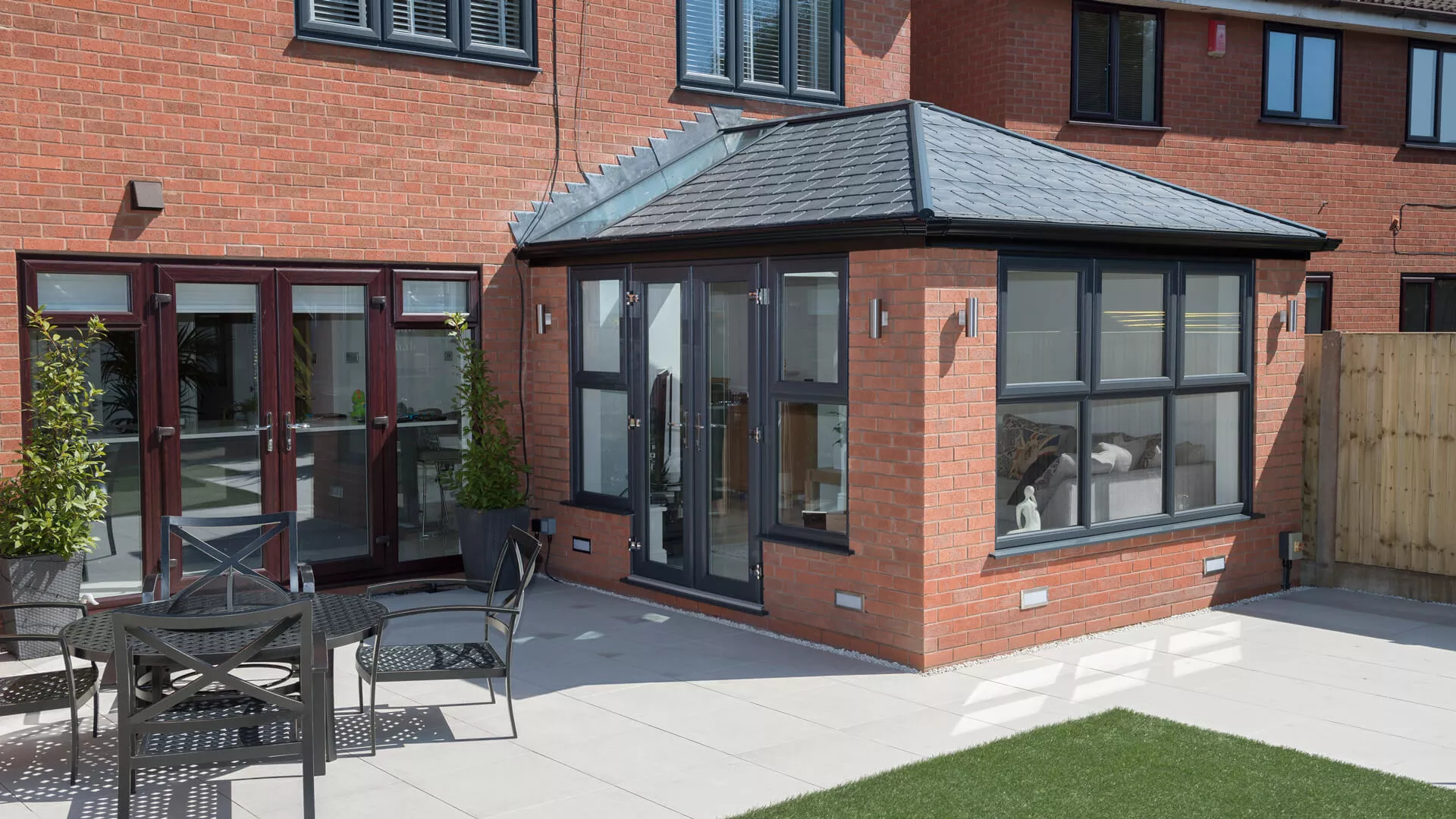
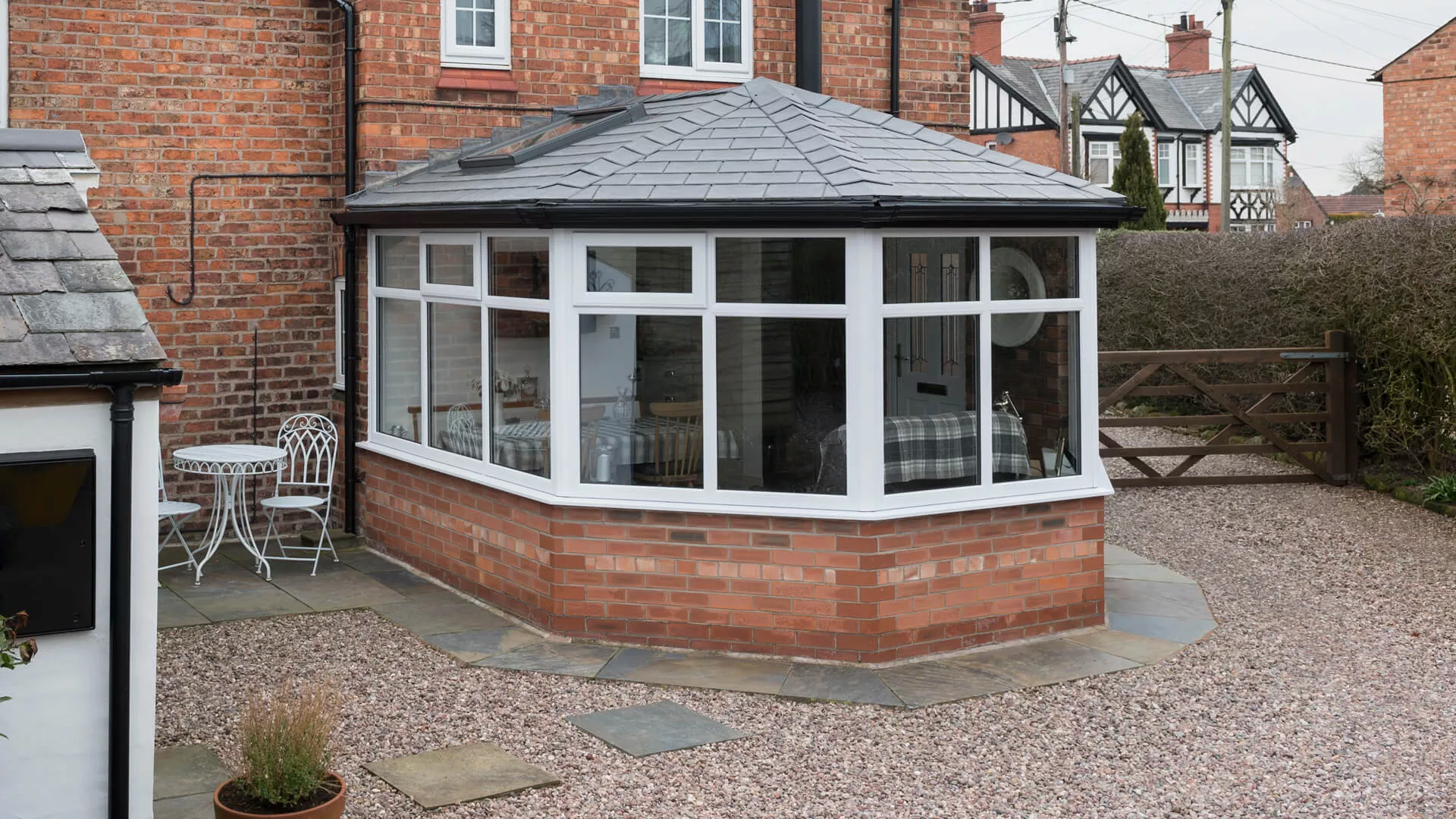
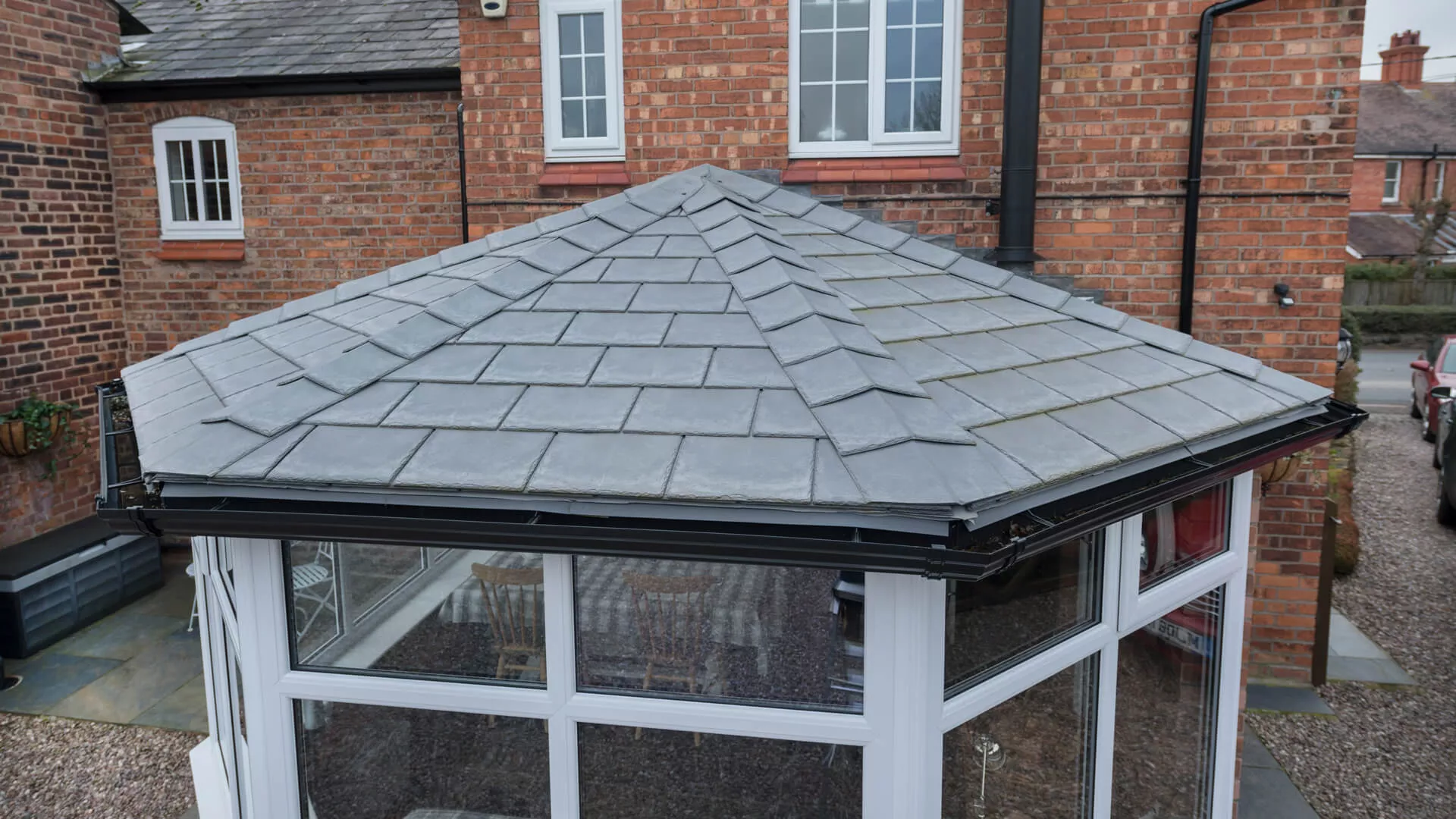
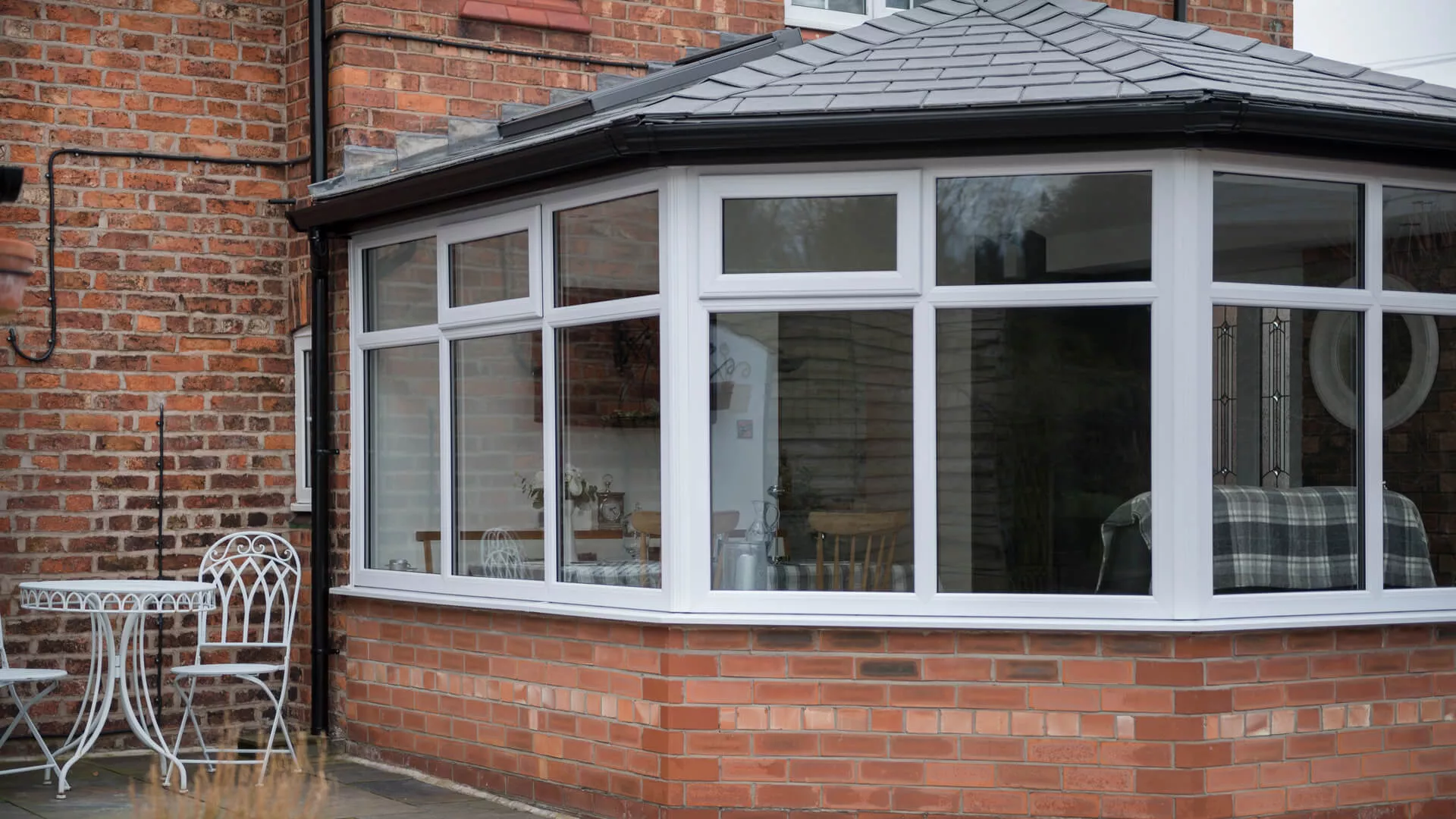
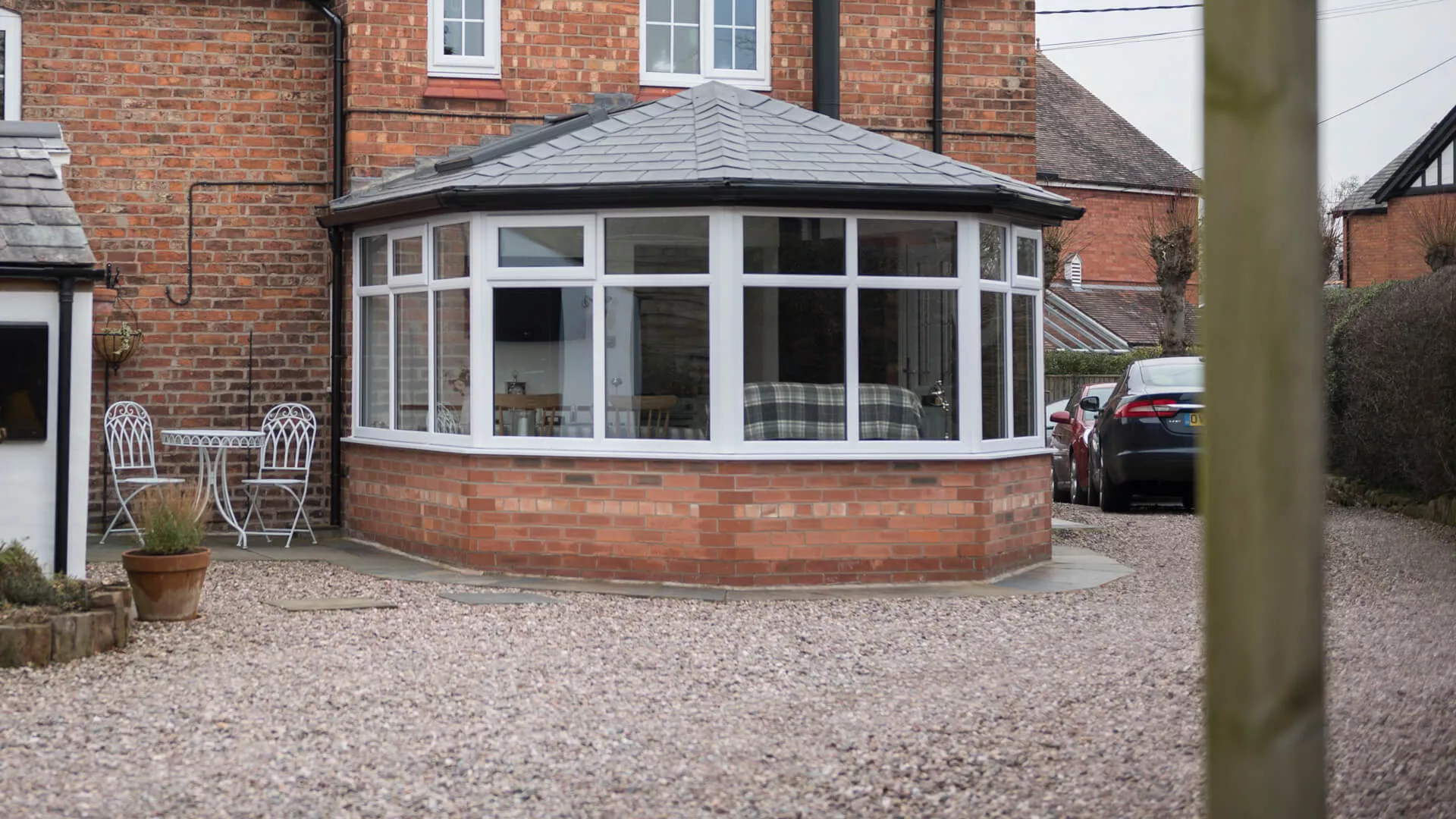
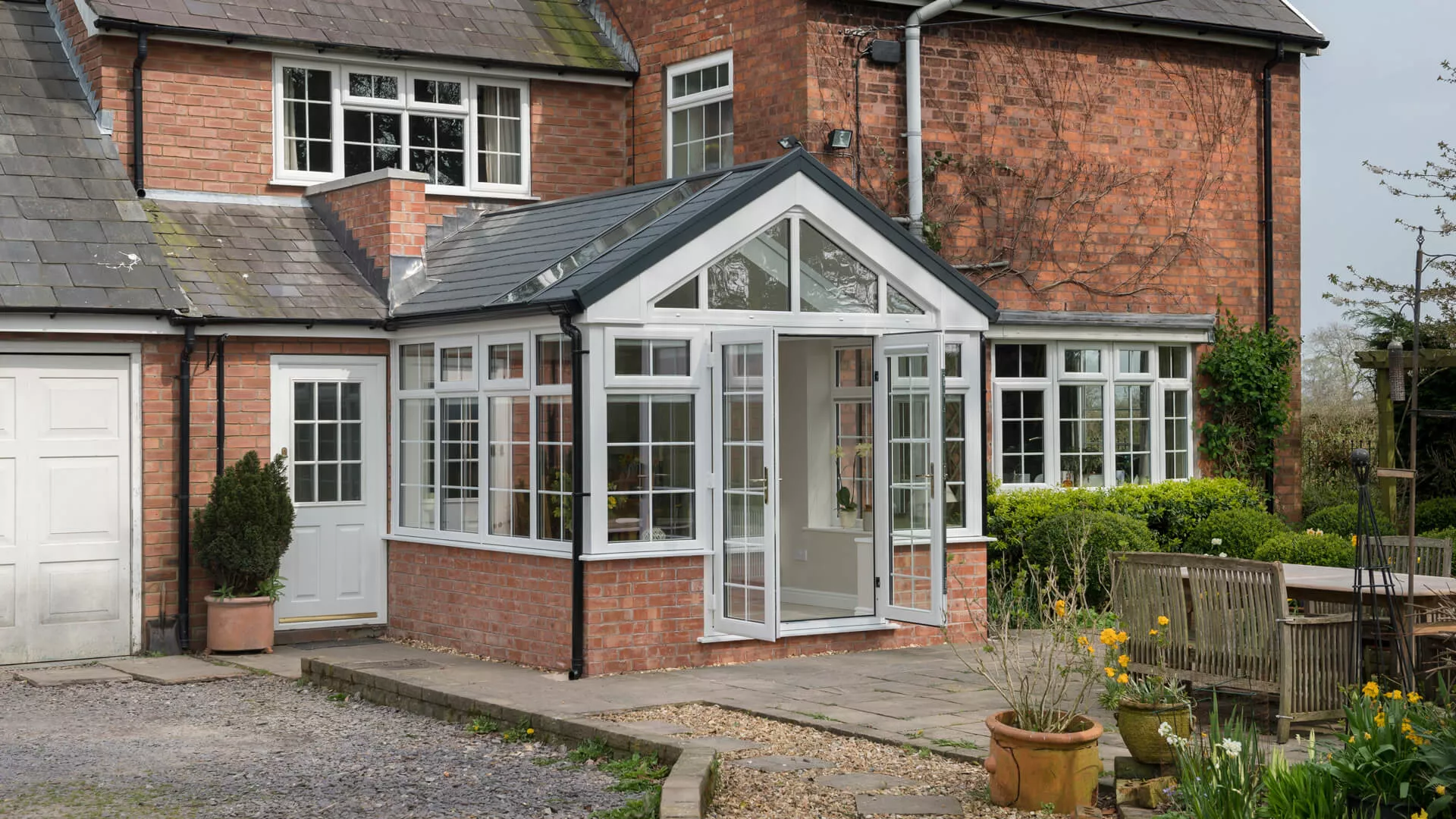
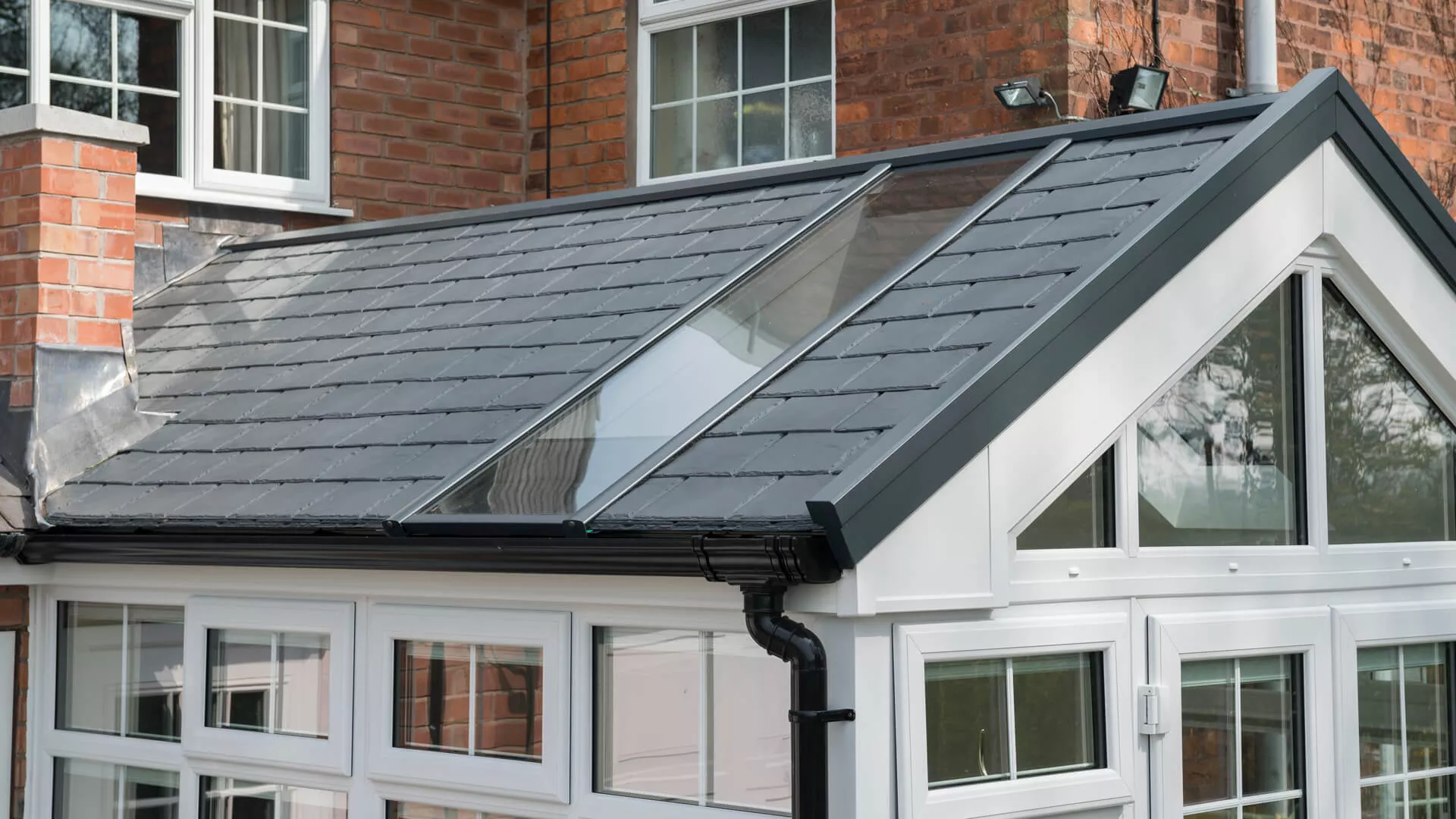
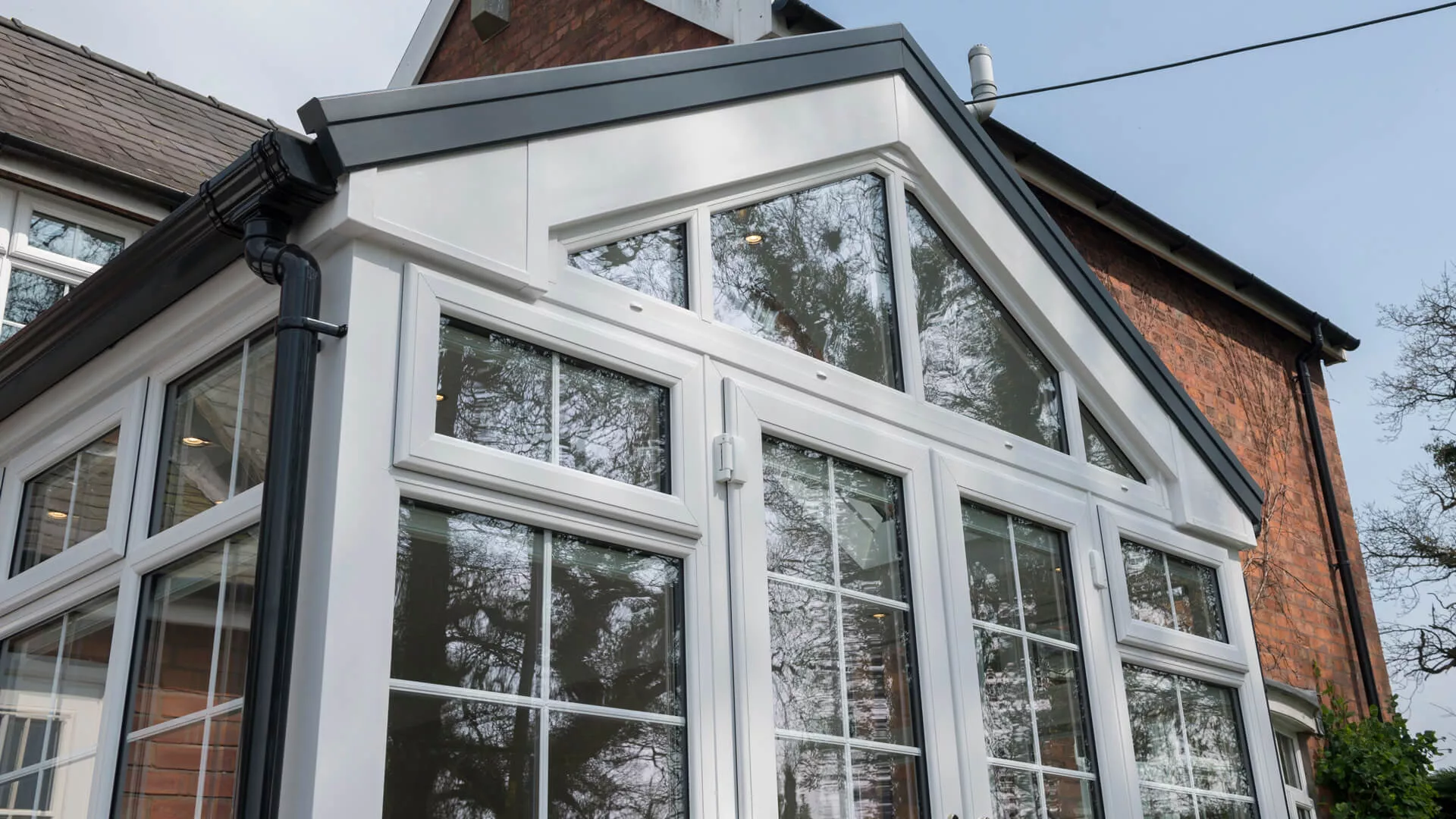
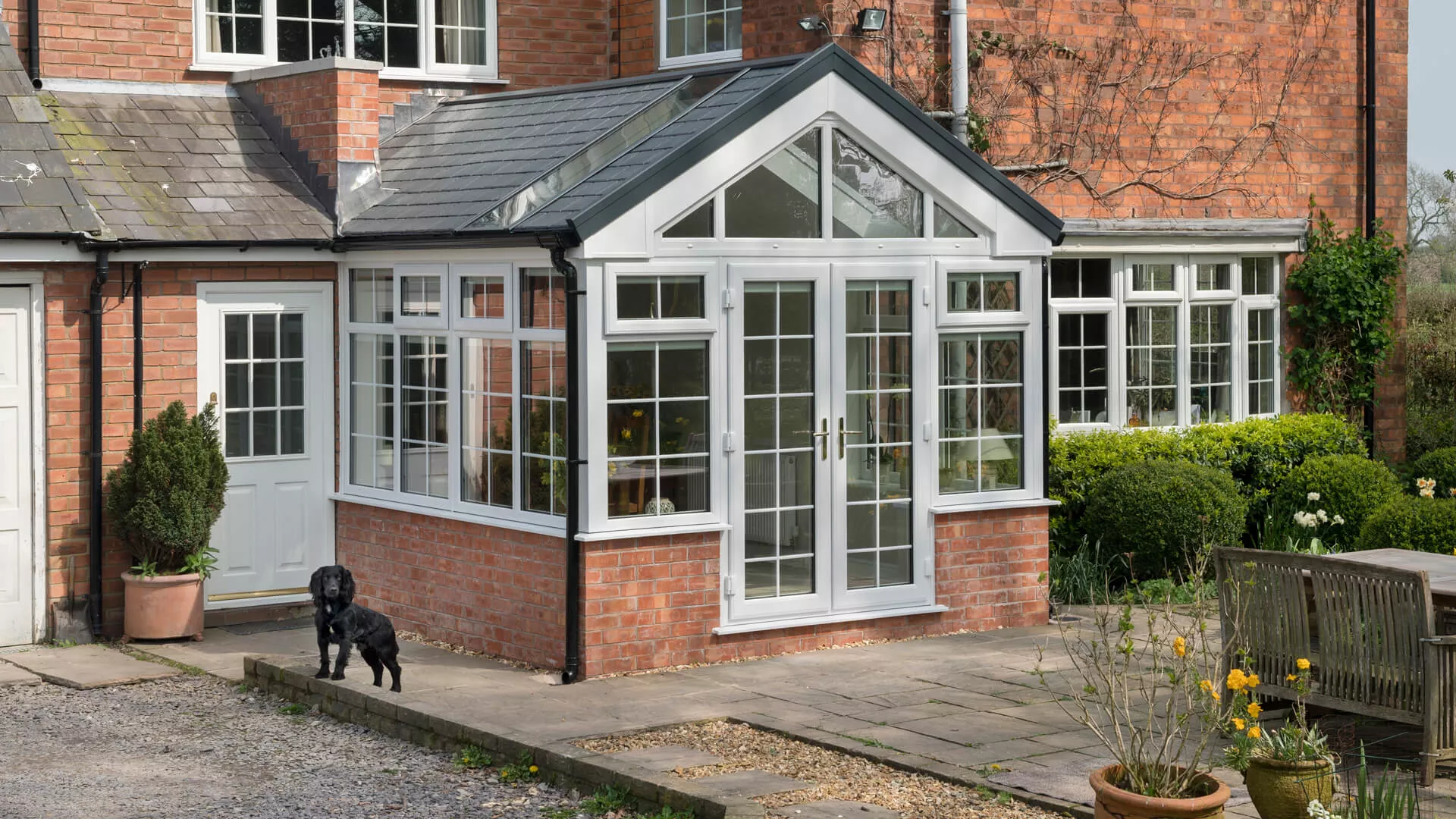
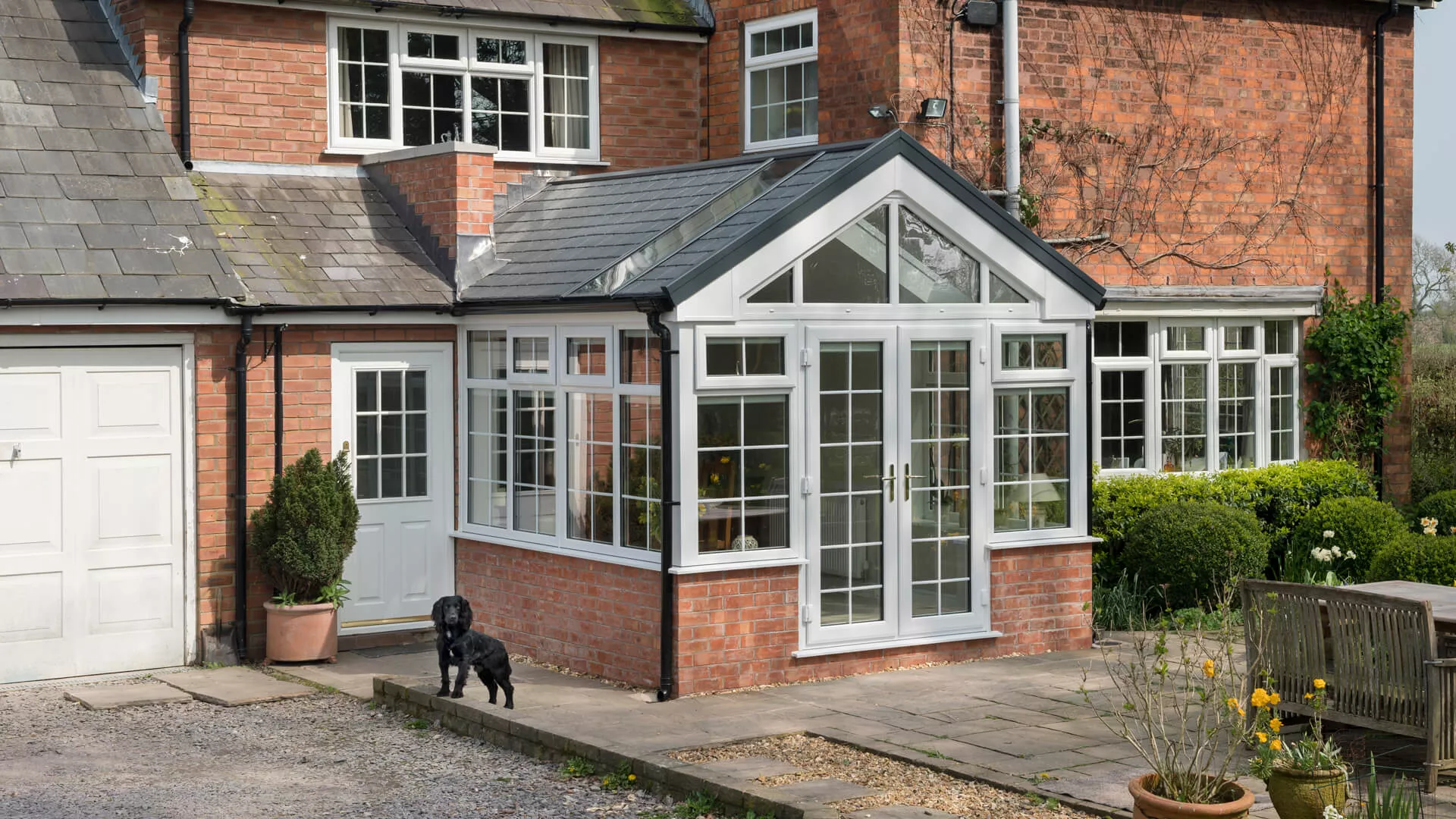
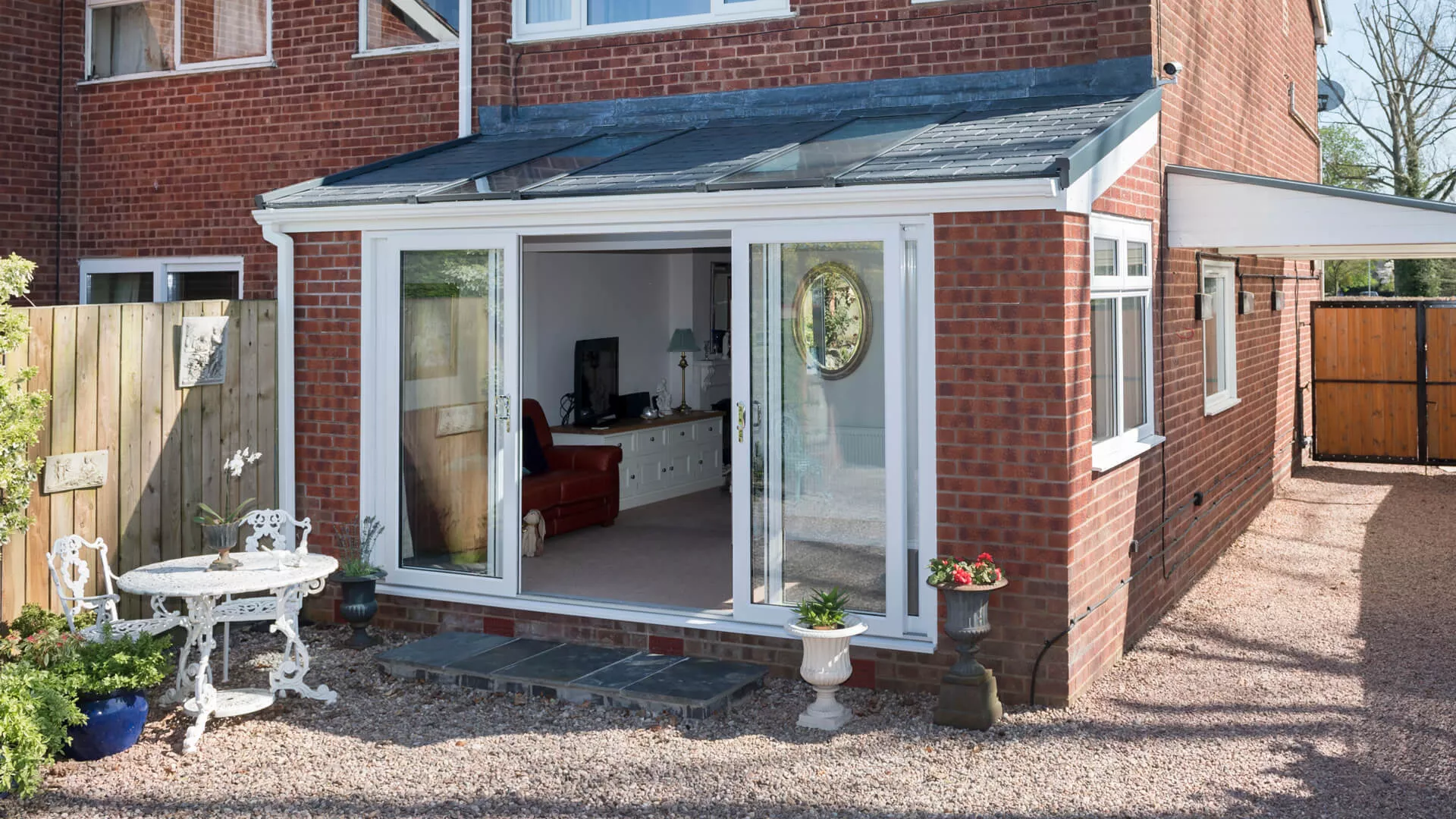
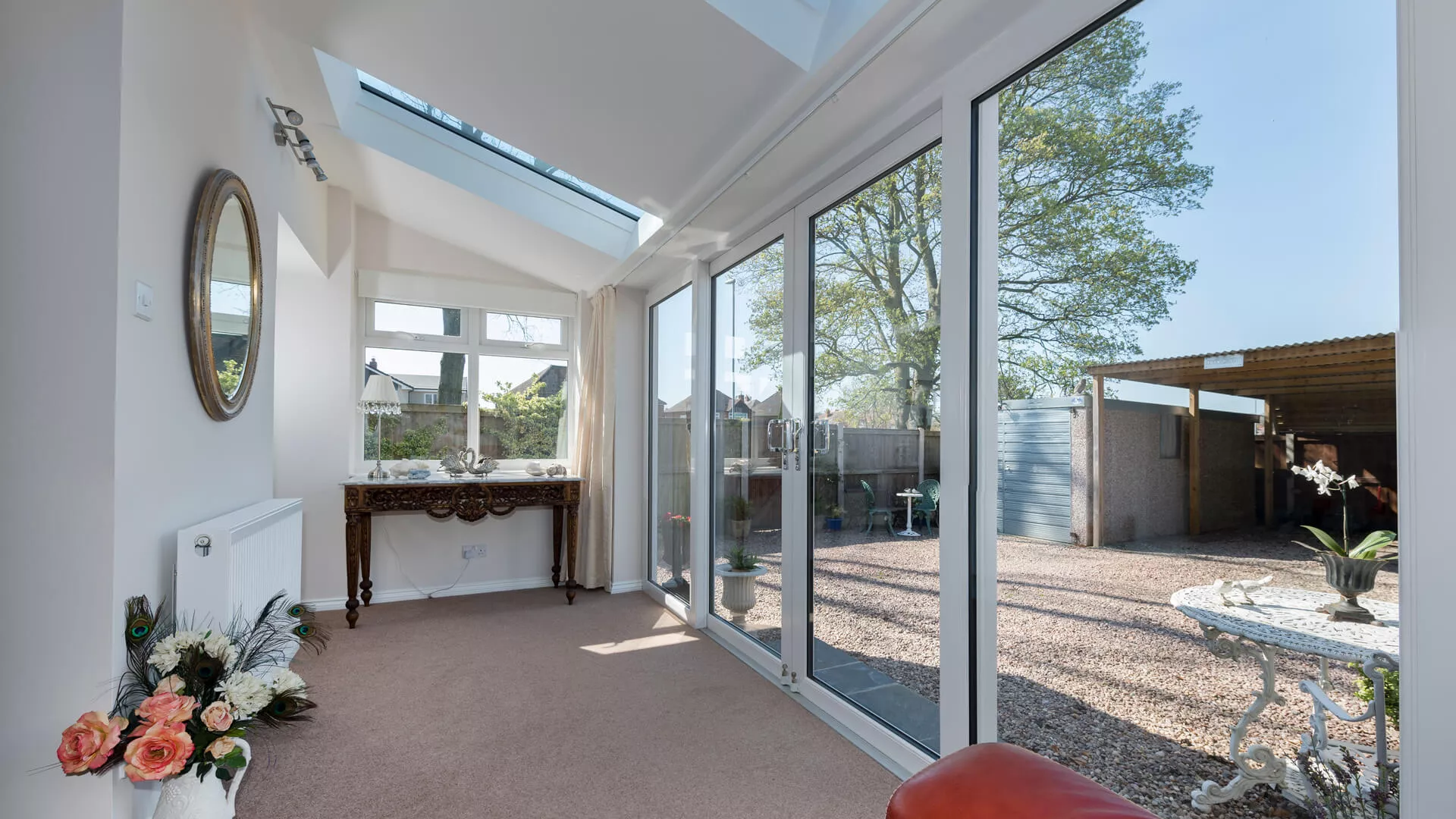
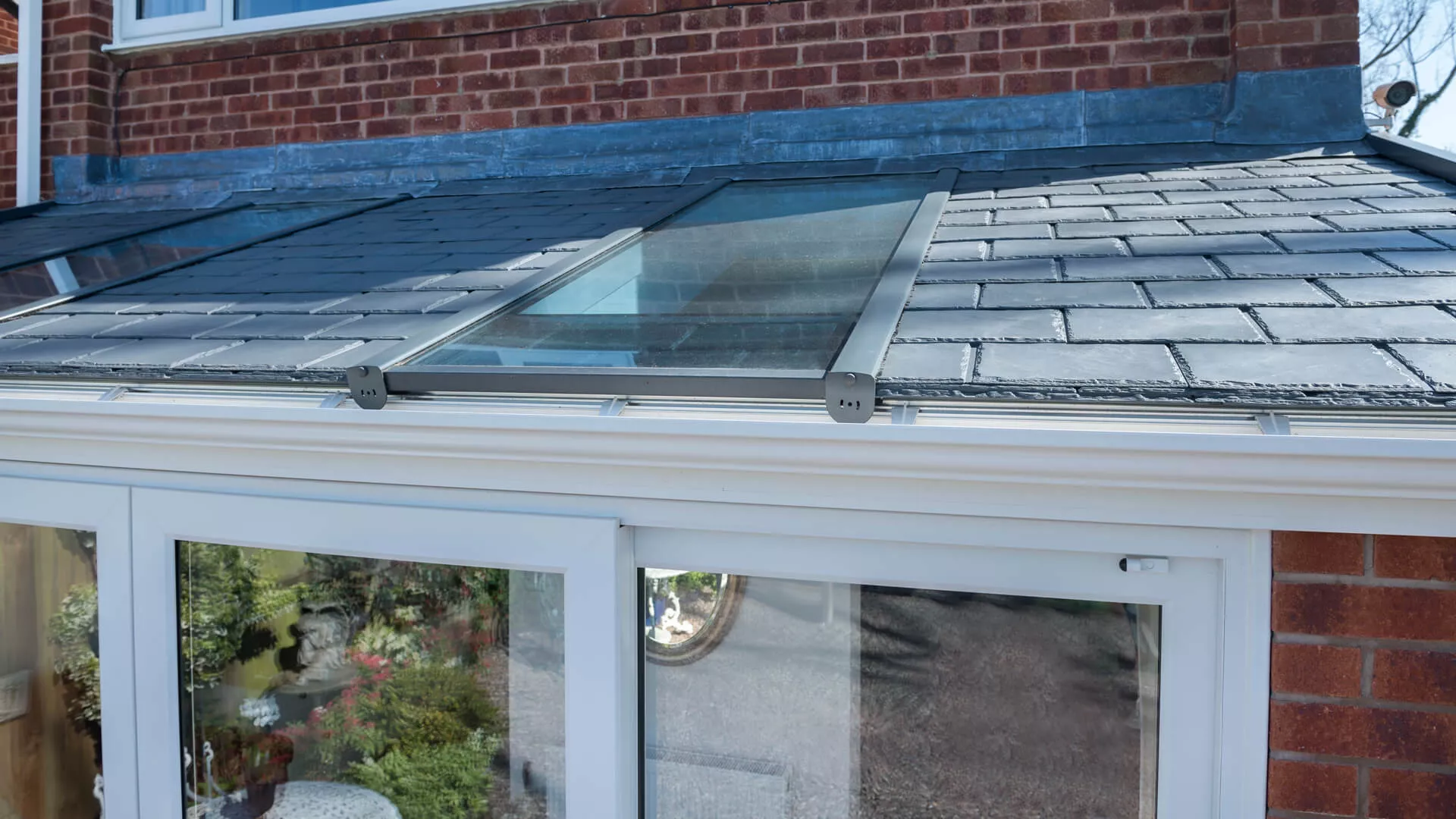
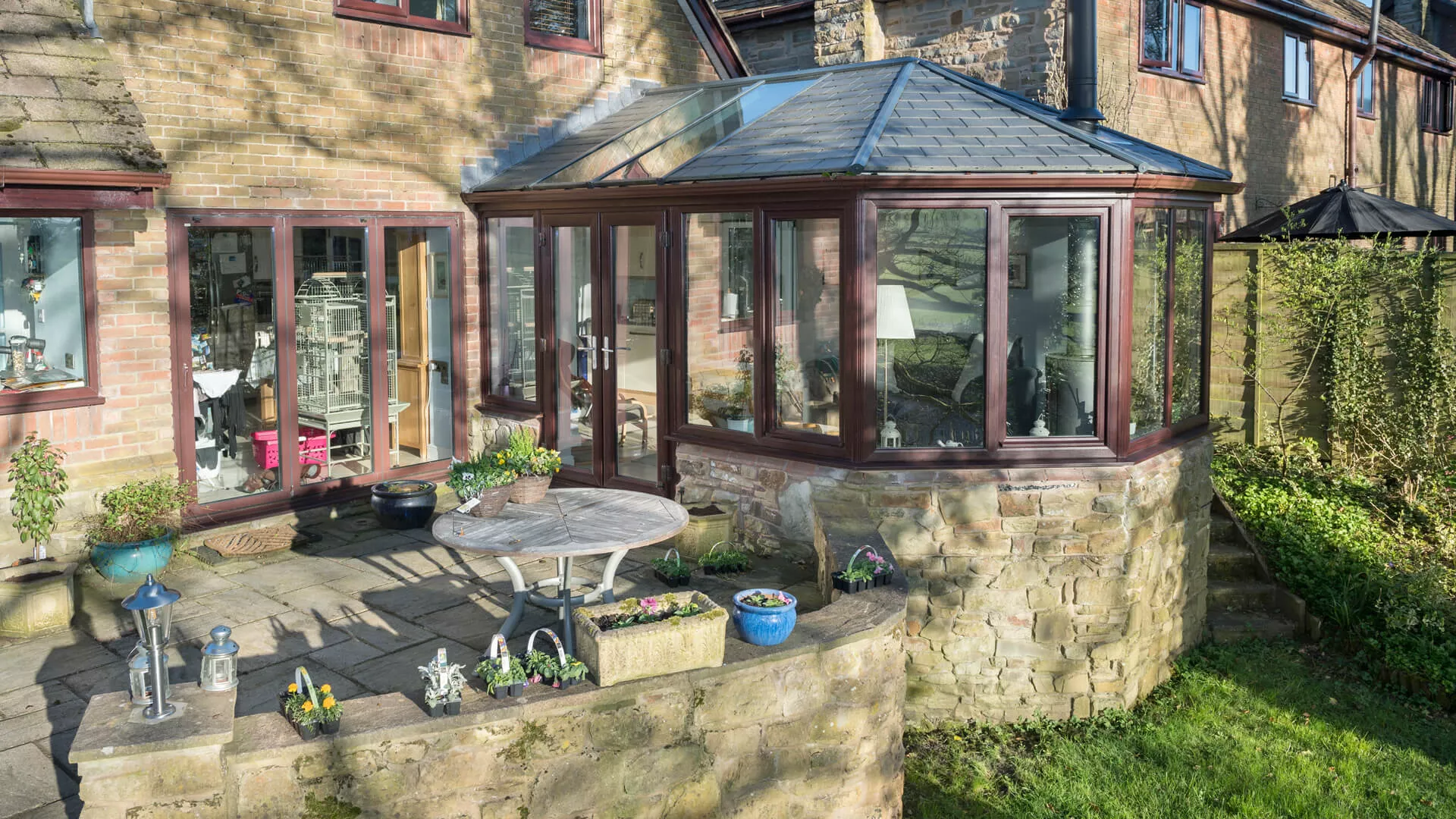
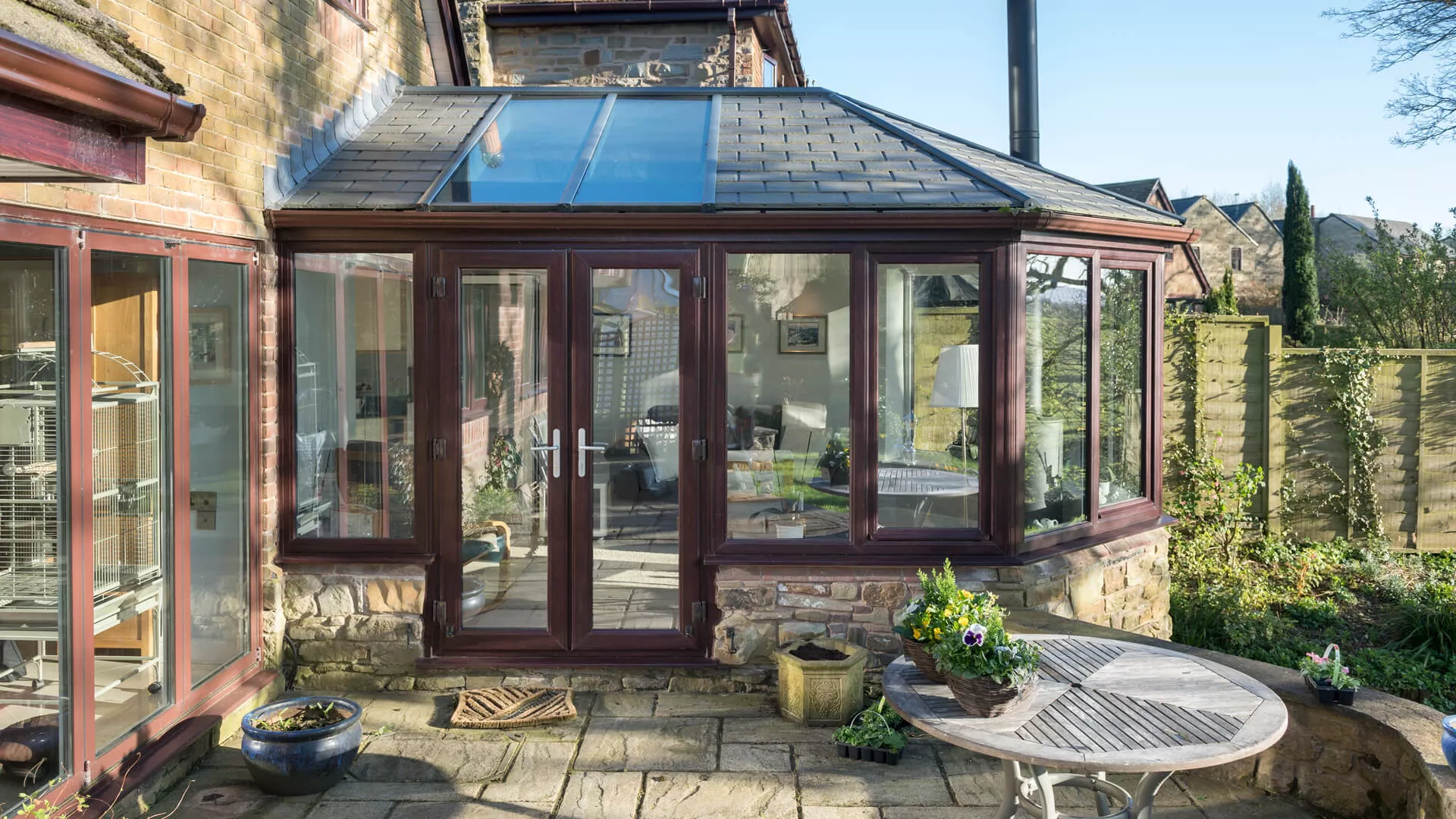
- Tiled and solid roofs. Sold as both tiled and solid roofs, they provide outstanding insulation and are unbelievably lightweight. Very straightforward and quick to install, this system eliminates draughts from conservatories and raises warmth. Conservatories that feature a tiled or solid roof deliver maximum thermal efficiency.
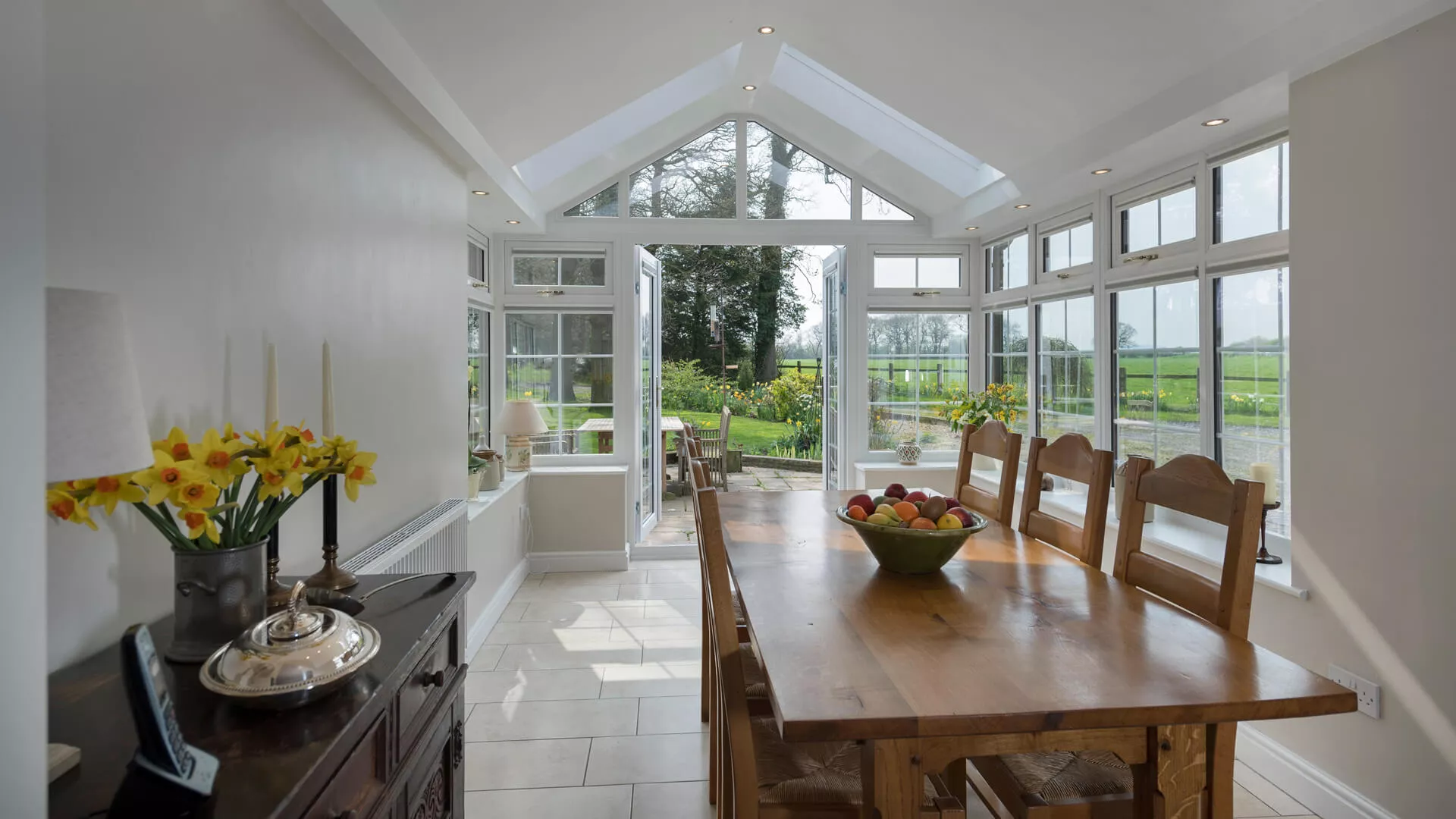
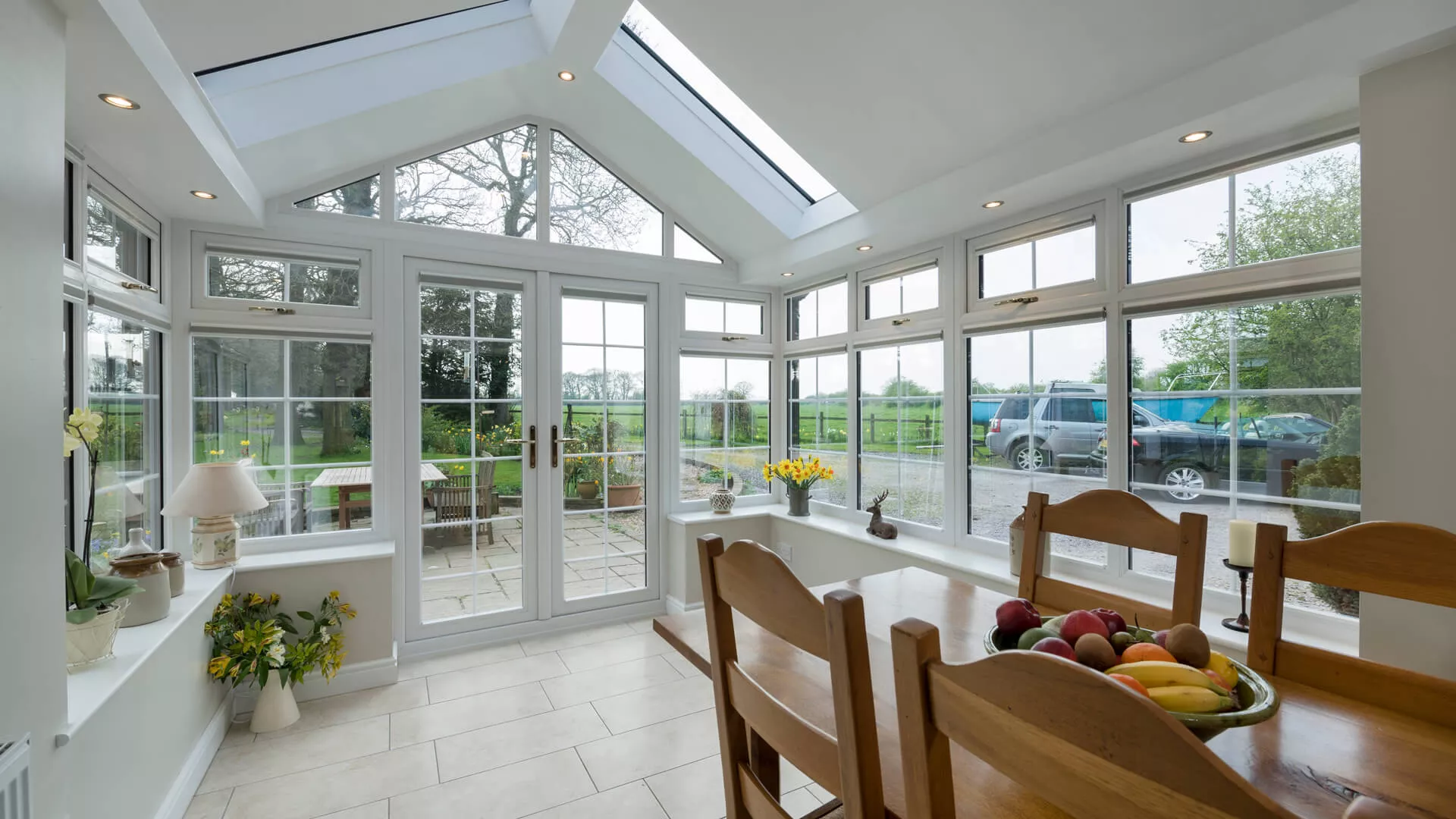
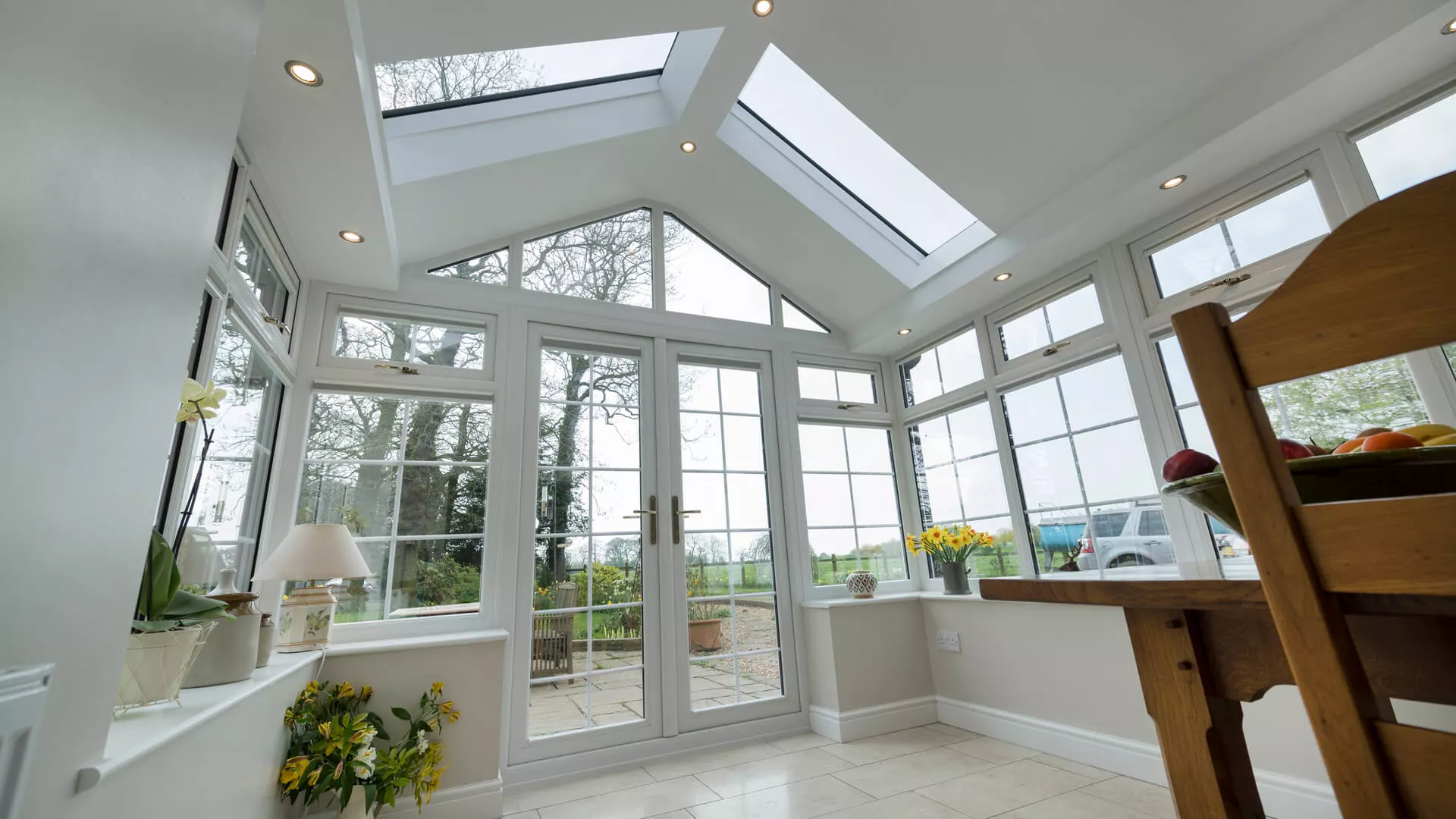
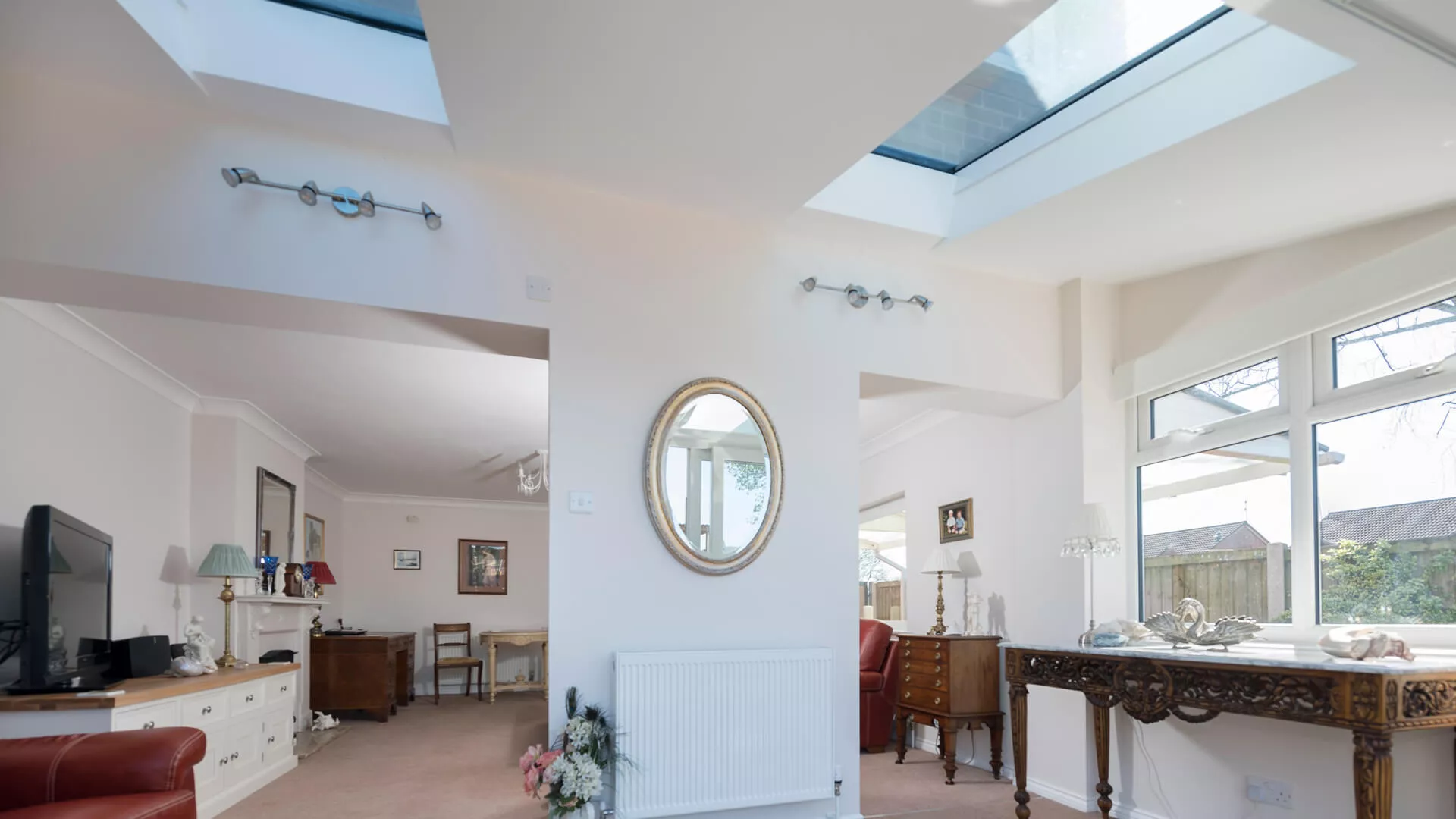
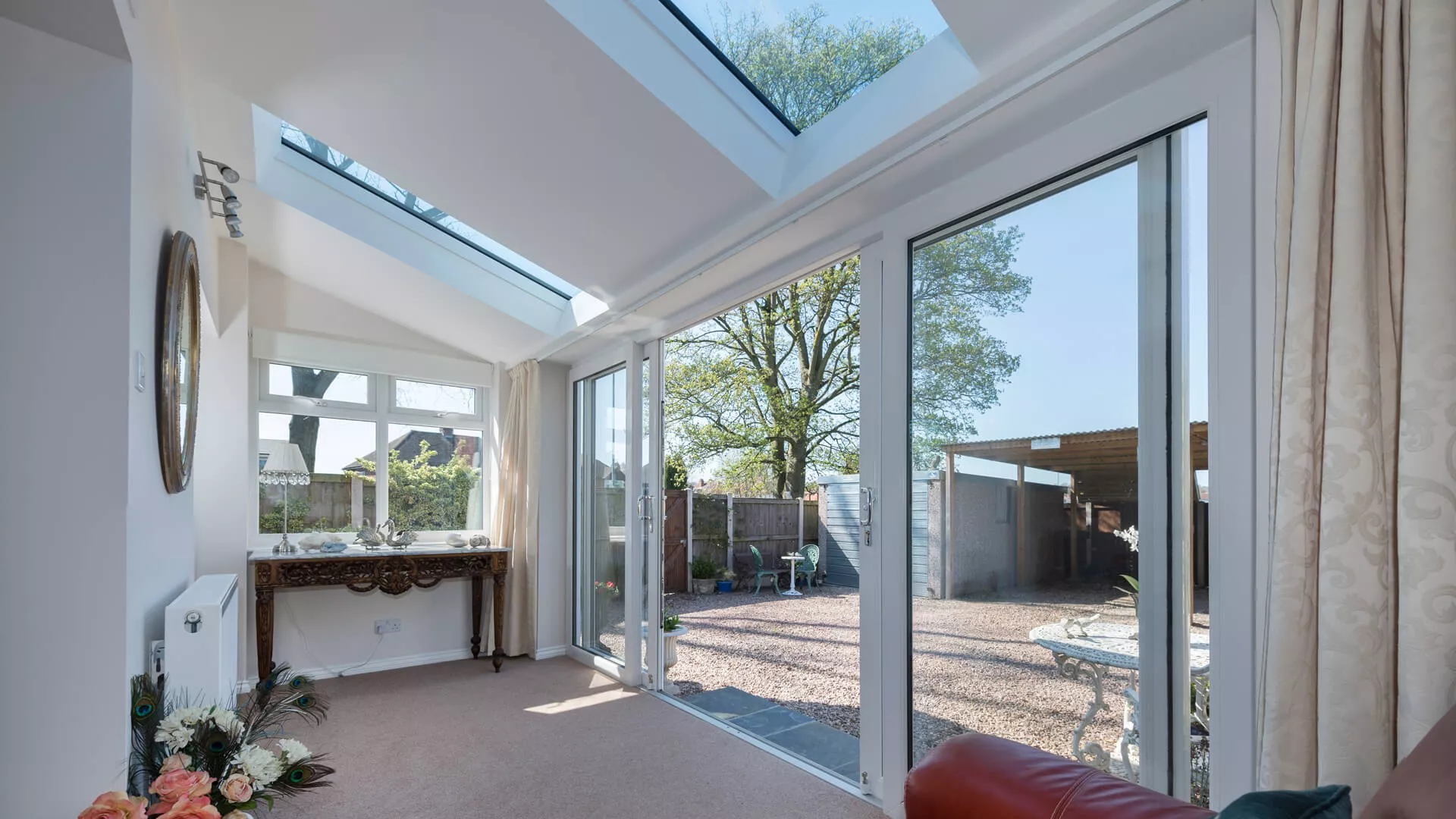
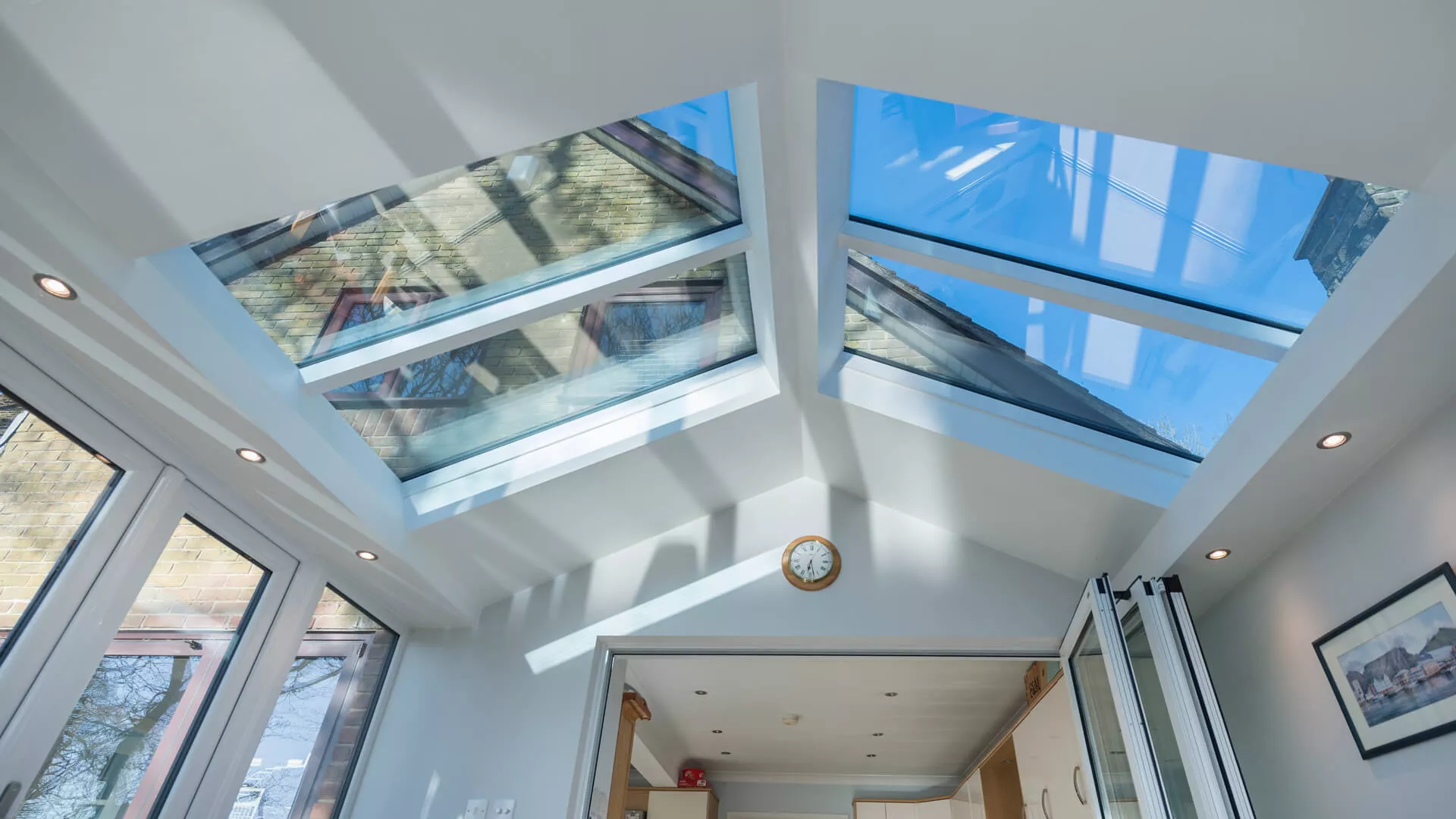
- Hybrid roofs. A hybrid roof encompasses solid, insulated panels and glazed sections to offer balanced performance and coax plentiful light, as well as attain excellent energy efficiency.
- Polycarbonate roofs. For the most affordable roof, polycarbonate roofs are cheapest to buy and there’s a reason behind why they’re so inexpensive. While they may be extremely durable, their thermal performance is minimal in comparison to modern glass and tiled roofs, resulting in unreliable insulation.
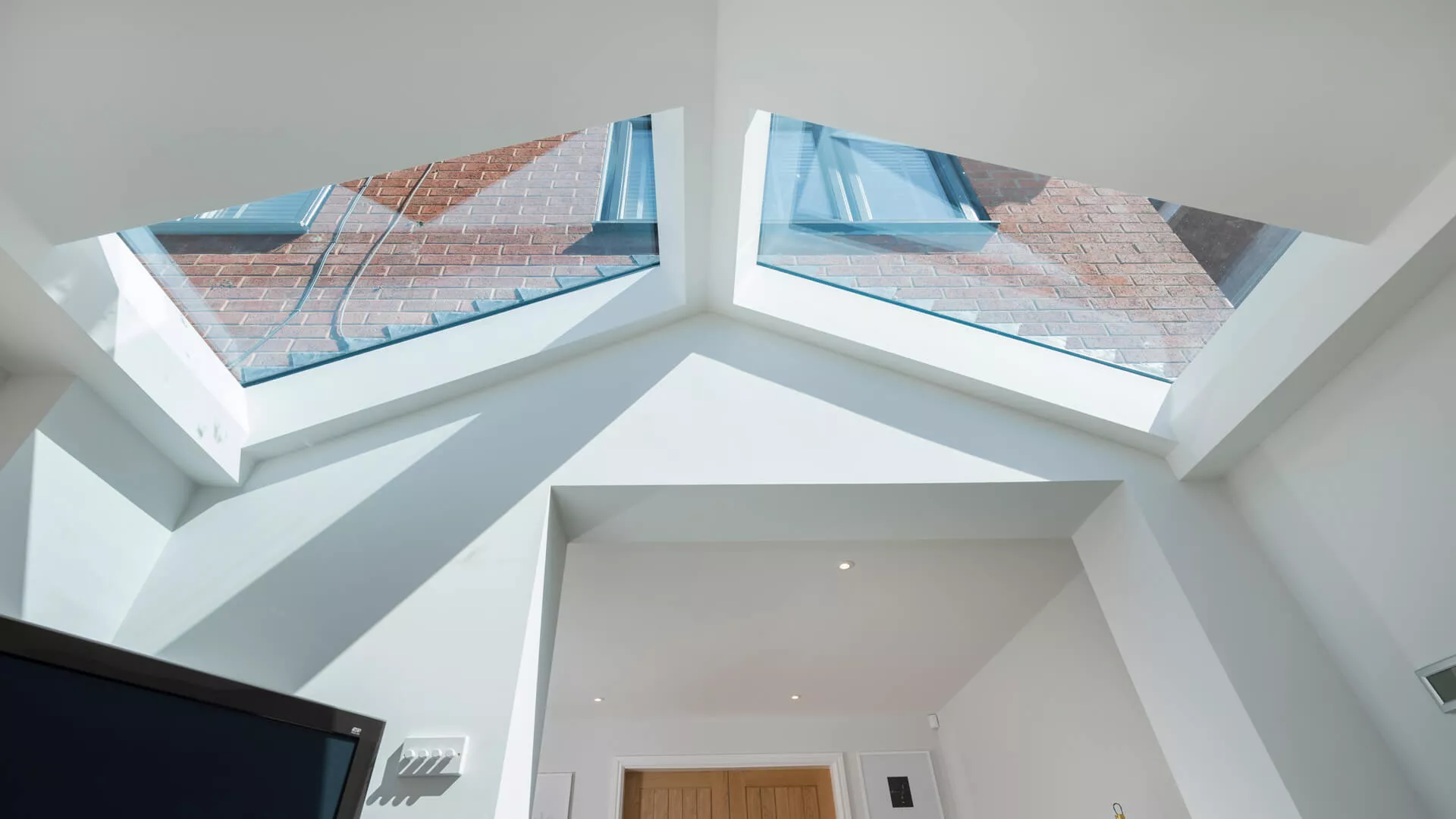
- Roof lanterns. Found in a lot of extensions and modern conservatory designs, roof lanterns are incredible architectural feats and harness solar-control glazing to engineer supreme comfort. More sophisticated than traditional roofs, they have a longer lifespan too.
What Does a Conservatory Roof Replacement Cost?
Largely, it costs 60-70% less to invest in a conservatory roof than it does to have a completed new conservatory installed, subject to the necessary specifications and the structure’s existing condition.
Polycarbonate roofs are generally the cheapest available system, with glass roofs normally a bit more expensive. Tiled roof replacements are the most expensive, but you have to consider the superb insulation they provide and also the premium structural materials used to make them. At the end of the day, it’ll be the size and style of the conservatory, what condition the frames are in and how complex the installation will be that determines the cost.
Try to look past the initial outlay of a conservatory roof cost and instead think about how low running costs will save you a huge amount of money on energy bills.
Planning Permission and Building Regulations
Planning permission doesn’t need to be obtained for most conservatory roof replacements as they enjoy permitted development rights.
There can be the odd exception to this, such as if a tiled conservatory roof upgrade will entail some major alterations to the original structure. Homes that are located in conservation areas or designated as ‘listed’ also have permitted development rights removed.
It’s important to note the distinction between Building Regulations and planning permission, which aren’t the same thing. A Building Regulation Application normally needs submitting when looking to install a solid roof on an existing conservatory as it will modify its thermal and structural performance. Ensure that your replacement conservatory roof conforms to insulation, ventilation and structural safety standards.
Local Authority Building Control are responsible for compliance in England and Wales. Once you gain their approval, they will issue a certificate confirming that the installation abides Building Regulations – this certificate needs to be kept safe.
The Process of Installing a Conservatory Roof Replacement
Awareness of what’s involved in a conservatory roof replacement is useful and it centres on rigorous preparation and an expert fitting.
It starts with a structural assessment of the current structure to check its integrity and detect if there are any obvious or underlying issues, such as damp and condensation.
Once the installation can proceed and approvals are obtained, a standard roof replacement can often be completed in two to five days. Upon removal of an old roof, the replacement system is usually made secure in one day to create a watertight space.
Solid roof systems can take a bit longer to install – about one week – as they need additional work e.g. plastering and lighting.
Get an expert like TWC on the case, someone who’s experienced at coordinating roof installations, and organising structural calculations and weatherproofing (including flashing), plus, seeing that the roof meets Building Regulations.
How to Find A Reliable Installer
To get the best replacement roof with a long conservatory roof lifespan, you need an installer that knows exactly what they’re doing.
- Trustpilot and Google reviews. Hunt down reviews on Trustpilot and Google to discern which installers have a great reputation for bespoke conservatories.
- Work examples. When talking to installers, ask to see some of their previous replacement roof projects to assess their work, and view their websites and socials.
- Accreditations. Check what accreditations each installer has. Ideally, you want them to hold several recognised industry endorsements.
- Building regulations. Inquire as to whether the roofing systems they sell obey Building Regulations and will be issued certification.
- Structural appraisal process. Gather details of how they’ll conduct the structural appraisal process.
- A few more handy tips. Find out what their timescales are, the extent of the guarantee, what materials they use and if aftercare is offered.
Conclusion
Buying a brand-new conservatory comes with a lot more stress and financial implications than getting yourself a conservatory roof replacement. On its own, it will vastly improve thermal efficiency and return your conservatory back to a usable space all-year round.
Priorities will decide if a roof lantern, hybrid roof, glass or solid tiled roof is your best bet. Hybrid offerings offer a reliable balance of insulation, durability and light, while solid and glass panels will usher sustained temperature control and can be more easily personalised.
We strongly advise against proceeding with an installation until you have confirmation that it adheres to planning guidelines. Replacement conservatory roofs don’t normally need planning permission, but they have to obey Building Regulations and be certified to validate this.
TWC would love to assist with any replacement roof project you have in mind for your conservatory. Our first job will be to inspect the structure so that we can identify the right high-performance roof for it. In the meantime, you can learn how to clean your conservatory roof in the future.
Request your free quote today!
Simply fill in your details for your free, no obligation quotation, and click "Get Quote"
Want to speak with an Advisor? Give us a call on 01793 781413
Our friendly team will be pleased to help with any questions you may have.